



A World Beyond the Famous Few
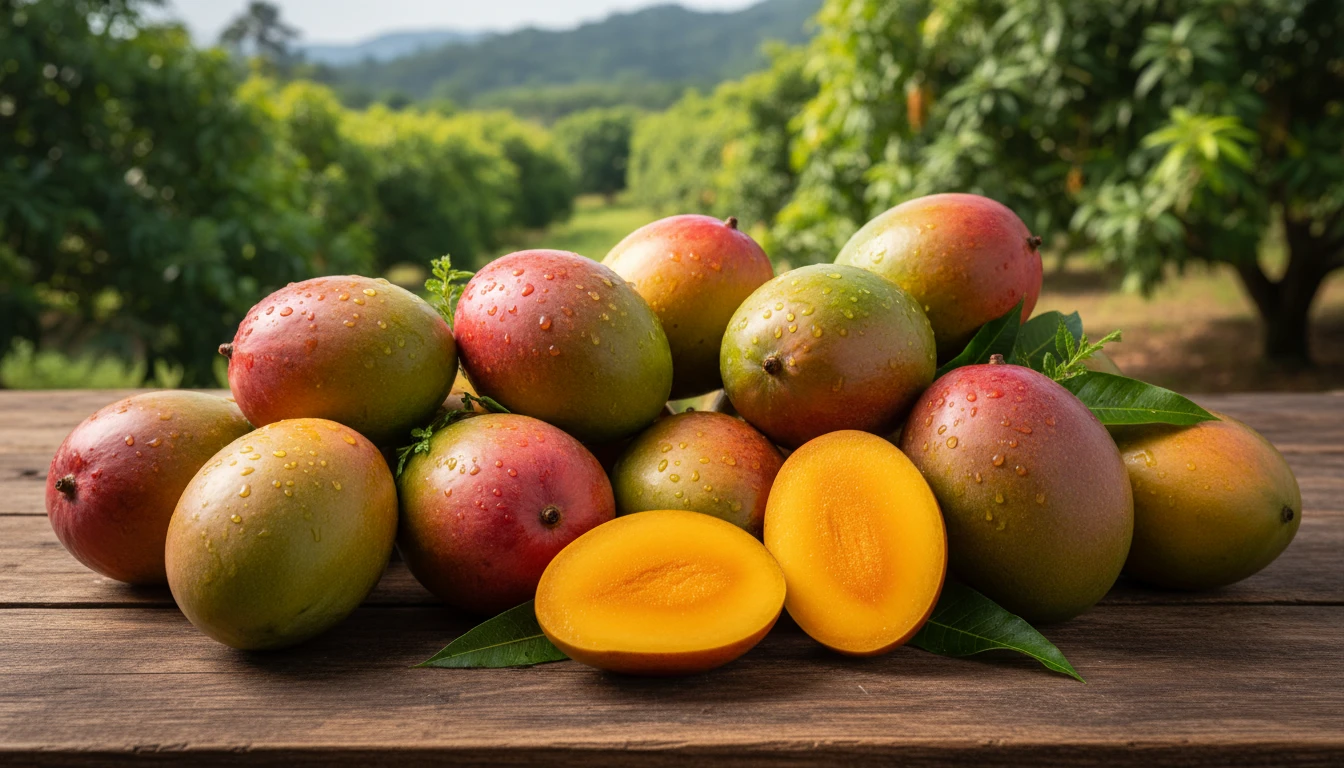
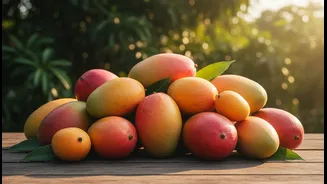
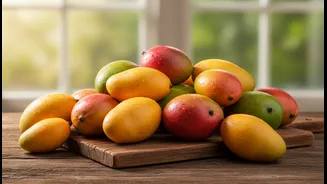
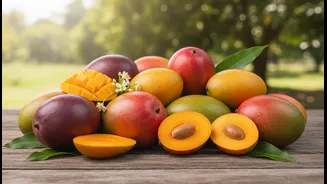
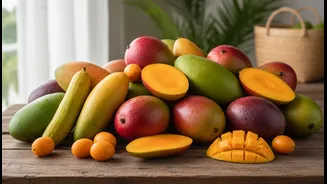
For many, the Indian mango experience is defined by a handful of celebrity varieties. But this is like knowing only the hits of a legendary band. India is home to an astonishing biodiversity of over 1,000 mango types, each with a unique taste, texture,
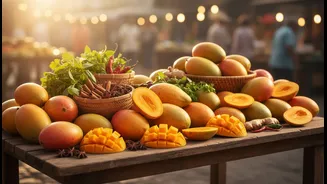
and history. From the rosy-scented Gulab Khaas of Bihar and Jharkhand to the citrus-tinged Imam Pasand favoured by royalty in the south, a vast universe of flavour exists. Many of these are regional treasures, rarely travelling beyond their native districts. Mango festivals serve as the most important stage for these lesser-known varieties, introducing them to a wider audience and preventing them from fading into obscurity. At events in places like Pinjore, Haryana, over 200 varieties can be showcased at once, celebrating the nation's rich agricultural diversity.
Connecting Growers and Gourmands
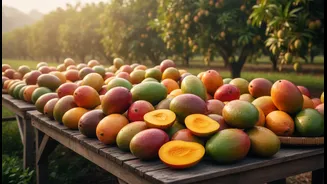
Traditionally, farmers depend on middlemen and wholesale markets, often receiving only a small fraction of the final price paid by consumers. Mango festivals are changing this dynamic by creating a direct bridge between the orchard and the home. At these events, farmers can sell their produce directly, interact with customers, and get immediate feedback. This model not only ensures better prices for growers but also offers consumers access to fresh, naturally ripened fruit. Initiatives by organisations like the Maharashtra State Agriculture Marketing Board (MSAMB) and Odisha's ORMAS have demonstrated the success of this farm-to-consumer approach, generating significant revenue for farmers and fostering a more transparent food system.
The Festival as a Living Library
These festivals are more than just markets; they are living libraries of India's agricultural heritage. By showcasing hundreds of indigenous varieties—like the 330 types displayed at a single event in Pune—they act as crucial platforms for conservation. When consumers discover and develop a taste for a rare mango, they create demand. This demand gives farmers a powerful economic incentive to continue cultivating heirloom varieties that might otherwise be replaced by more commercially dominant ones. This consumer-driven conservation is vital for maintaining agrobiodiversity, which in turn ensures a more resilient and secure food future. The festivals become a celebration of both the fruit and the farmer's hard work and innovation.
An Experience of Culture and Community
Modern mango festivals have evolved far beyond simple fruit sales. They are vibrant cultural events that blend agriculture with agritourism. Many festivals, like those organised by the Lucknow Farmers Market or Hanu Reddy Mango Tourism, offer immersive experiences such as orchard walks, mango-picking sessions, and workshops on organic farming. These activities transform the act of buying mangoes into a memorable outing that connects people with nature and the origins of their food. With cultural performances, cooking contests, and children's activities, these festivals foster a sense of community and celebrate the mango as a symbol of Indian identity and the joy of summer.