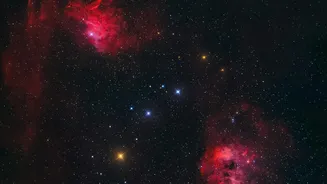



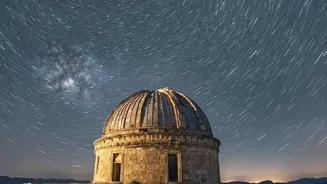
Look up! October's crisp, clear nights are perfect for stargazing. From dazzling meteor showers to bright planets, the cosmos is putting on a show. Here’s your simple guide to finding the best seat in the house.
October's Celestial Highlights
This October, the night sky offers a fantastic
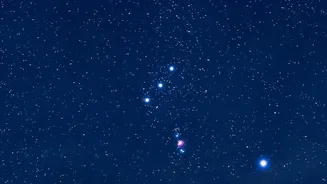
lineup for beginners. The month features two meteor showers: the Draconids and the Orionids. The Draconids are first, peaking early in the month under ideal dark-sky conditions. Later, the Orionids, known for their bright and speedy meteors, will make their appearance. Beyond shooting stars, several planets will be on display. Saturn will be at its biggest and brightest right at the beginning of the month, making it a great time to spot its famous rings with a basic telescope. Mars and Jupiter will also be visible, particularly in the early morning hours. These events provide a perfect opportunity to get started with astronomy without needing complex equipment.
Timing Is Everything: When to Look
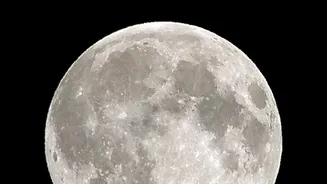
For the best stargazing, timing your sessions is crucial. A key factor is the Moon. The New Moon on October 10th ensures that the sky will be extra dark, making it the perfect time to view faint objects. This is especially good news for the Draconid meteor shower, which peaks around October 8th and 9th. Unusually, the Draconids are best viewed in the evening, just after nightfall, making them very beginner-friendly. For the Orionid meteor shower, which peaks around October 21st and 22nd, viewing is a bit more challenging due to a bright Moon. Your best bet is to wait until the pre-dawn hours when the Moon has set, which will provide a darker backdrop to catch the show. For any stargazing, allow your eyes 20 to 30 minutes to fully adjust to the darkness; this will help you spot many more stars.
Finding Your Perfect Stargazing Spot
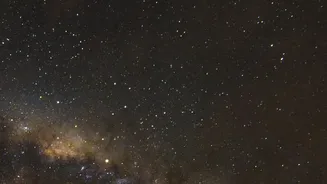
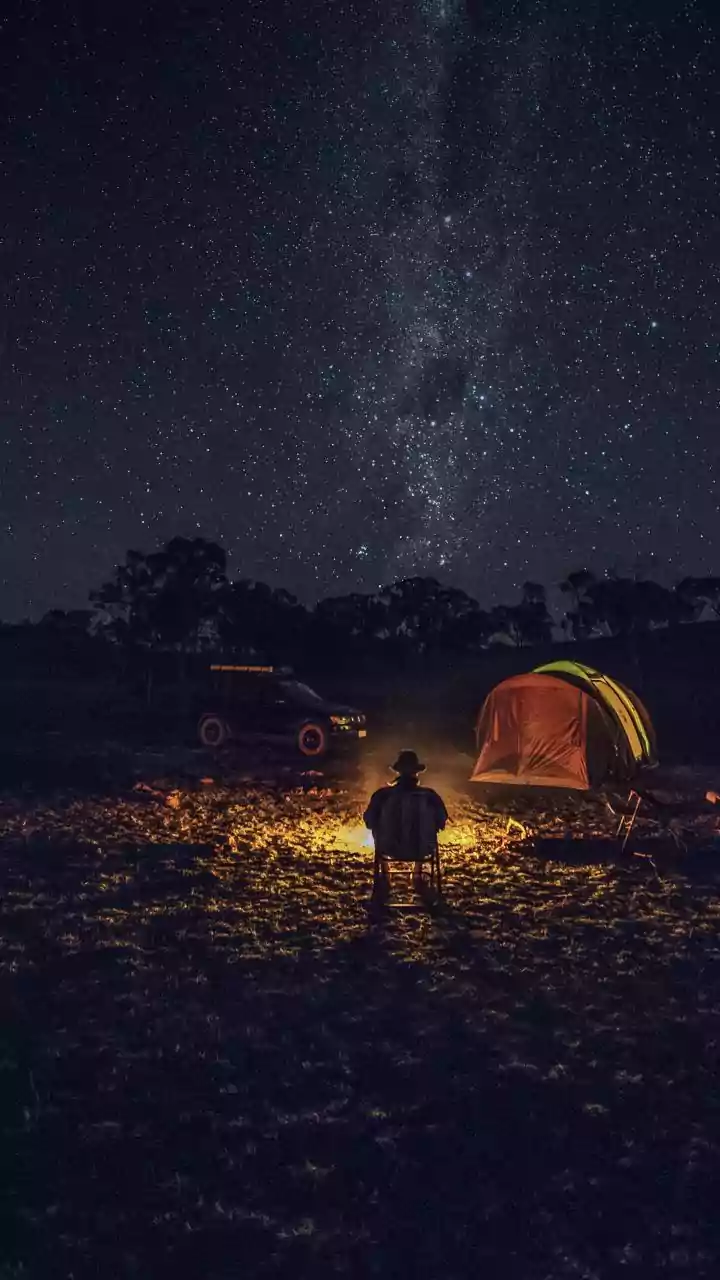
The single most important rule for good stargazing is to get away from city lights. Light pollution from urban areas washes out the night sky, hiding all but the brightest stars and planets. For those in and around major Indian cities, this means planning a short trip to a more rural area. Look for locations like national parks, hill stations, or even the outskirts of your town where the skies are significantly darker. In India, places like the Himalayas, the Rann of Kutch, and remote areas in Rajasthan are famous for their pristine night skies. You don’t need to travel to a famous observatory to have a great experience. Simply finding a spot with an open view of the sky, far from streetlights and buildings, will dramatically improve what you can see. Check the weather forecast for a clear, cloudless night before you head out.
Your Beginner's Toolkit
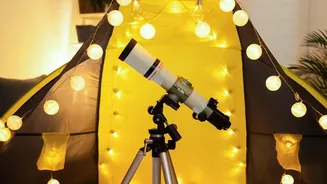
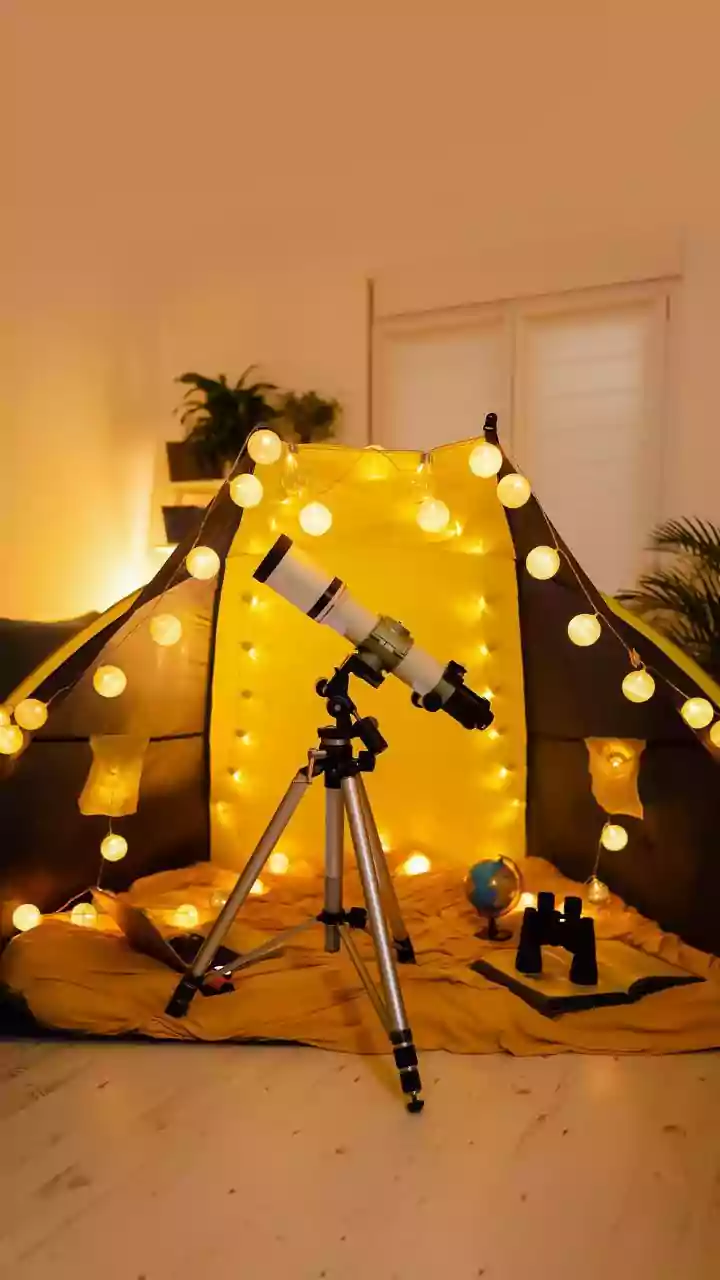
You don’t need an expensive telescope to begin your stargazing journey. In fact, many seasoned astronomers recommend starting without one. Your most important tool is your own eyes. To enhance the view, a simple pair of binoculars can work wonders, revealing craters on the Moon and even the moons of Jupiter. Next, download a stargazing app on your phone, like Stellarium or SkyView. These apps use your location to show you a map of the sky in real-time, helping you identify constellations, planets, and satellites. Remember to use the app's 'red light mode', as white light from your phone screen can ruin your night vision. Finally, dress warmly and bring a blanket or a chair to stay comfortable. Stargazing involves a lot of patience and sitting still, so being prepared will make the experience much more enjoyable.
Key Dates for Your Stargazing Calendar
Mark your calendar for these can't-miss celestial events in October 2026. On October 4th, Saturn is at opposition, appearing at its brightest for the year. The Draconid meteor shower, a typically modest shower with about 10 meteors per hour, will peak on the evening of October 8th into the 9th. Thanks to the nearby New Moon on October 10th, the sky will be perfectly dark for viewing. Later in the month, look for the Orionid meteor shower, which will be active from October 2nd to November 7th. It's set to peak on the night of October 21st-22nd, producing up to 20 meteors per hour. While a bright moon will interfere, the hours before dawn should offer a good window for spotting these fast-moving meteors from the famous Halley's Comet.