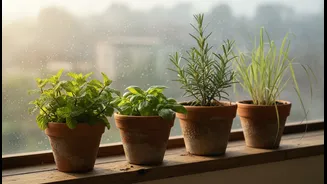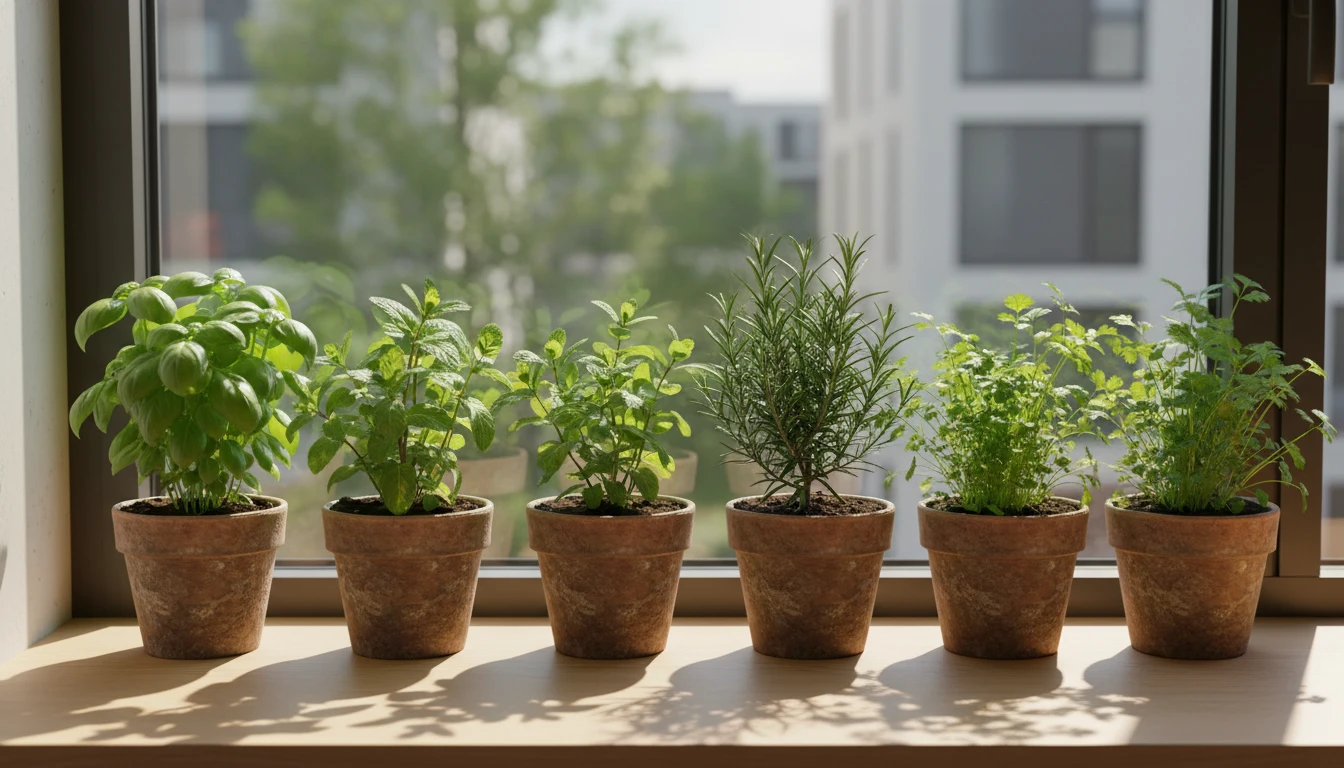




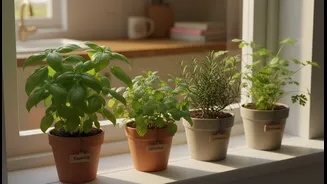


The Resilient Refresher: Mint (Pudina)
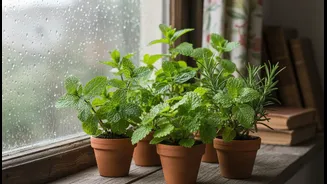
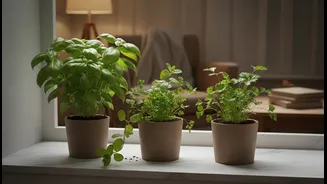
Mint is arguably the easiest herb to grow indoors and one of the most forgiving in low-light conditions. Its vigorous nature means it can survive even if you don't have a sun-drenched balcony. For a quick start, you don't even need seeds; simply place
a healthy cutting from a market-bought bunch in a glass of water. Roots will appear in a week or two, ready for potting. Mint prefers soil that is consistently moist but hates being waterlogged—a common risk during the humid days of July. Ensure your pot has excellent drainage holes. The broad leaves of the mint plant are efficient at capturing whatever light is available. To encourage a fuller, bushier plant instead of long, leggy stems, pinch the tips regularly. This not only improves its appearance but also gives you a steady supply for your evening chai or refreshing chutneys.
The Kitchen Staple: Coriander (Dhania)
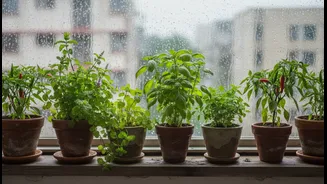
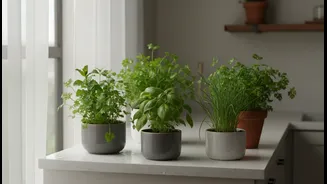
Growing coriander indoors can feel tricky, as it has a reputation for bolting (flowering prematurely) in the Indian heat. However, the cooler, overcast days of July can work to your advantage. While coriander enjoys sunlight, it dislikes intense heat, making a spot with four to five hours of gentle morning sun ideal. It's best grown from seeds, which you can gently crush and soak overnight to speed up germination. Unlike mint, coriander doesn't like its roots disturbed, so sow the seeds directly into a deep pot (at least 10-12 inches) filled with a fertile, well-draining soil mix. Keep the soil consistently moist but not drenched. Because it grows quickly, you can have fresh leaves ready for garnishing dals and salads in about 30 to 40 days. For a continuous supply, try sowing a new batch of seeds every few weeks.
The Hardy Healer: Indian Borage (Ajwain)
Often mistaken for an ajwain plant due to its strong, oregano-like aroma, Indian Borage is a fantastic, low-maintenance herb for indoor gardeners. This hardy plant has thick, succulent-like leaves and thrives in pots. It is adaptable and can do well in partial shade, making it suitable for indoor spots that receive indirect light. Propagation is incredibly easy; a simple stem cutting will root readily in either soil or water. The biggest threat to Indian Borage is overwatering, which leads to root rot, so a pot with ample drainage is essential. Allow the soil to dry out slightly between waterings. Besides its culinary uses in pakodas and chutneys, its aromatic leaves are a traditional remedy for coughs and colds, and the plant is known to be an effective mosquito repellent—an added bonus during the monsoon season.
The Sacred Adaptogen: Holy Basil (Tulsi)
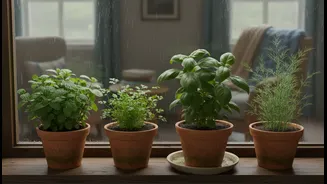
No Indian home garden feels complete without Tulsi. While this sacred plant loves sunshine, it can be successfully grown indoors with the right care. It can survive with as little as four to six hours of sunlight daily, so a spot near a bright, south-facing window is perfect. You can grow it from seeds, which need light to germinate, so only cover them with a fine layer of soil. During the monsoon, Tulsi is prone to fungal infections and pests due to high humidity. Ensure good air circulation around the plant by not crowding it with other pots. Water only when the top inch of the soil feels dry, and always use a pot with good drainage. Regularly pruning the flowering tops (manjaris) will encourage the plant to grow bushier and produce more of its aromatic, healthful leaves.
Monsoon Care for Consistent Growth
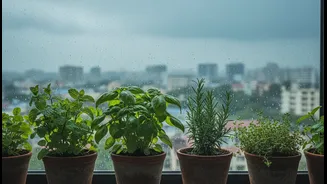
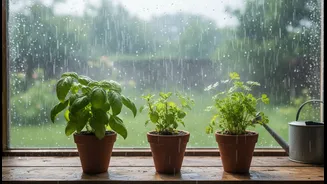
July's weather in India presents unique challenges: high humidity, reduced sunlight, and the risk of overwatering. The number one rule for monsoon gardening is to perfect your watering technique. Forget a fixed schedule and instead, check the soil by sticking your finger an inch deep; water only if it feels dry. Good drainage is non-negotiable to prevent root rot. You can even elevate your pots on bricks or stands to ensure water doesn't collect at the base. To combat the gloom of overcast days, move your plants to the brightest spot available, like an east-facing window. Finally, ensure good air circulation to ward off fungal diseases that thrive in damp conditions. A little bit of airflow can make a huge difference in keeping your aromatic greens healthy and productive.