





The New Corner Office
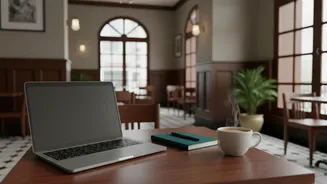
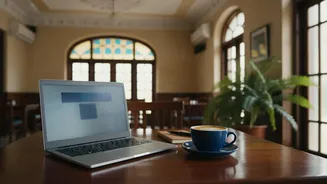
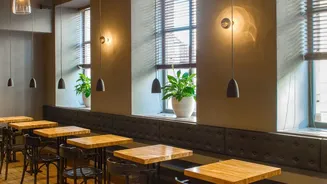
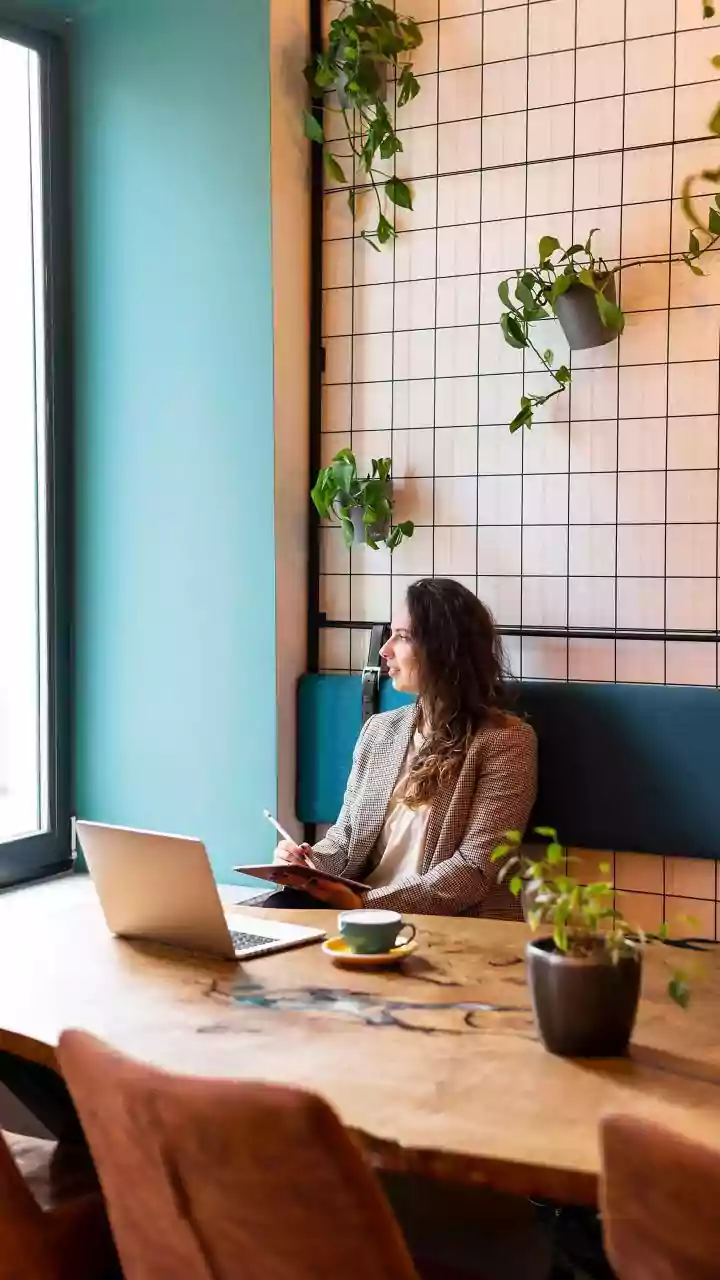
Step into popular spots like Blue Tokai, 8th Day Café & Bakery, or Artsy on a weekday afternoon, and you'll find a scene that looks less like a casual coffee break and more like a dynamic, open-plan office. Laptops are open, keyboards click away, and hushed
conversations about deadlines and projects fill the air. For a growing number of digital nomads, freelancers, and remote workers in the City of Joy, this is the new normal. These aren't just coffee shops anymore; they are highly functional, informal coworking spaces. Many cafes have adapted to this trend, offering the essential trinity for the modern professional: reliable high-speed Wi-Fi, ample power outlets, and comfortable seating designed for more than just a fleeting visit. The appeal lies in a productive environment that feels both professional and relaxed.
Beyond the Home Office Walls
The post-pandemic era cemented remote work as a viable option for many, but working from home often comes with its own set of challenges: isolation, household distractions, and a blurring of the lines between personal and professional life. Cafes offer a welcome “third place”—a change of scenery that can spark creativity and focus. For many young creators in India's booming gig economy, the structured yet flexible environment of a cafe provides the perfect antidote to the monotony of a home office. It offers a sense of community and the subtle energy of being around other focused individuals without the rigid structure of a corporate building. As one professional put it, separating work from home by physically going to a 'workplace' helps in maintaining a healthier work-life balance.
A Mutually Beneficial Brew
This trend isn't just a boon for workers; it's also a significant opportunity for cafe owners. While some establishments worry about table turnover, many have embraced this new clientele. Remote workers provide a steady stream of business during traditionally slower weekday hours. In response, some cafes have expanded their menus to include more substantial lunch options, knowing their customers are likely to stay for several hours. Some have even created dedicated conference rooms that can be rented by the hour to cater to team meetings. By fostering a work-friendly environment, cafes can build a loyal customer base that sees them as an essential part of their professional lives. This symbiotic relationship reflects a larger shift in how urban spaces are being utilized in a post-pandemic world.
The Cost and Compromise
Of course, the café-office lifestyle isn't without its drawbacks. The daily cost of coffees, teas, and meals can quickly add up, sometimes exceeding what one might pay for a dedicated coworking space membership. Distractions are another major factor; the clatter of cups, background music, and constant flow of people can make it difficult to concentrate or take important calls. Finding a good seat near a power outlet can be a daily challenge, and there's often an unspoken pressure to keep ordering to justify your long stay. Professionals must weigh the benefits of a dynamic atmosphere and flexibility against the potential for noise, lack of privacy, and creeping expenses.