

The Dangers of Dampness
The primary challenge during the monsoon isn't just the rain itself, but the high humidity that prevents your pet's coat from ever fully drying. This trapped moisture, especially in areas like paws, ears, and skin folds, creates the perfect warm, damp
environment for bacteria and fungi to multiply. Common issues like fungal infections (including yeast), bacterial skin diseases, and painful 'hot spots' thrive in these conditions. A persistent musty or cheesy smell is often the first sign of a yeast infection, not just a case of 'wet dog'. These problems are interconnected; a dog with a minor paw infection might lick the area excessively, breaking the skin and creating an entry point for more serious illnesses.
Before the Walk: Gear Up and Plan
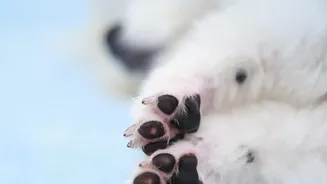
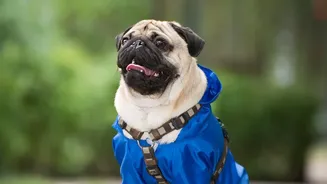
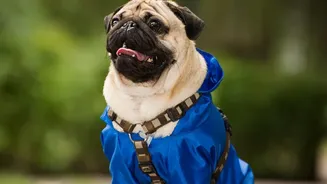
Preparation is your first line of defence. Before heading out, check the weather forecast to choose a time with lighter rainfall. Investing in a well-fitting waterproof raincoat can significantly reduce how wet your dog gets, saving you drying time later. For paws, which are constantly in contact with wet surfaces, waterproof booties can offer protection from both moisture and harmful substances on the ground. If your dog won't tolerate boots, trimming the fur between their paw pads can reduce the amount of water and mud that gets trapped. Finally, ensure both you and your pet are visible in the low light of rainy days with reflective collars, leashes, or vests.
During the Walk: Avoid Hidden Hazards
Once outside, be mindful of your route. Steer your pet clear of stagnant puddles and waterlogged grassy areas. These are not just muddy water; they can be contaminated with the urine of infected animals, particularly rats, and harbour dangerous bacteria like Leptospira. Leptospirosis is a serious disease that can cause kidney and liver failure in dogs and is also transmissible to humans. The bacteria can enter through a small cut on the paw or simply by your dog drinking the contaminated water. Keeping walks shorter during heavy downpours limits exposure and risk.
After the Walk: The Critical Clean-Up
This is the most important step in preventing monsoon-related infections. The moment you get home, your focus should be on getting your pet completely dry. Start with a highly absorbent towel, paying special attention to the paws, belly, armpits, and ears—areas where moisture loves to hide. For thick or long-coated breeds, a towel alone is often not enough; a pet-friendly hairdryer on a low, cool setting is essential to ensure the undercoat is dry. Meticulously wipe and dry between each toe, as this is a prime spot for fungal infections to start. Having a 'post-walk clean-up kit' with towels and pet-safe wipes by the door can help make this a consistent habit.
Daily Checks and Proactive Care
Beyond the walk itself, build a few daily habits into your monsoon routine. After drying your pet, do a quick inspection of their coat and skin. Check for ticks and fleas, which thrive in humid weather and can transmit diseases like tick fever. Look for any signs of redness, rashes, or excessive licking, particularly on the paws and in skin folds. Ensure their bedding and living areas are kept clean and dry, as damp blankets can also contribute to skin problems. Also, always provide fresh, clean drinking water to discourage them from drinking from puddles.
When to See a Veterinarian
Proactive care prevents most issues, but it's crucial to recognize when professional help is needed. If you notice persistent itching, hair loss in patches, a bad odour from the skin or ears, or inflamed, oozing sores (hot spots), consult your vet. Symptoms of leptospirosis, such as fever, vomiting, lethargy, and increased thirst, require immediate veterinary attention. Your vet can also advise on preventative measures like the leptospirosis vaccine and the use of anti-fungal powders or shampoos for pets prone to infection.