






What Exactly Is Push Pull Legs?
The Push Pull Legs (PPL) routine is a straightforward and popular training split that divides your workouts into three distinct categories based on movement patterns. Instead of focusing on one body part at a time (like a traditional 'bro split'), PPL groups
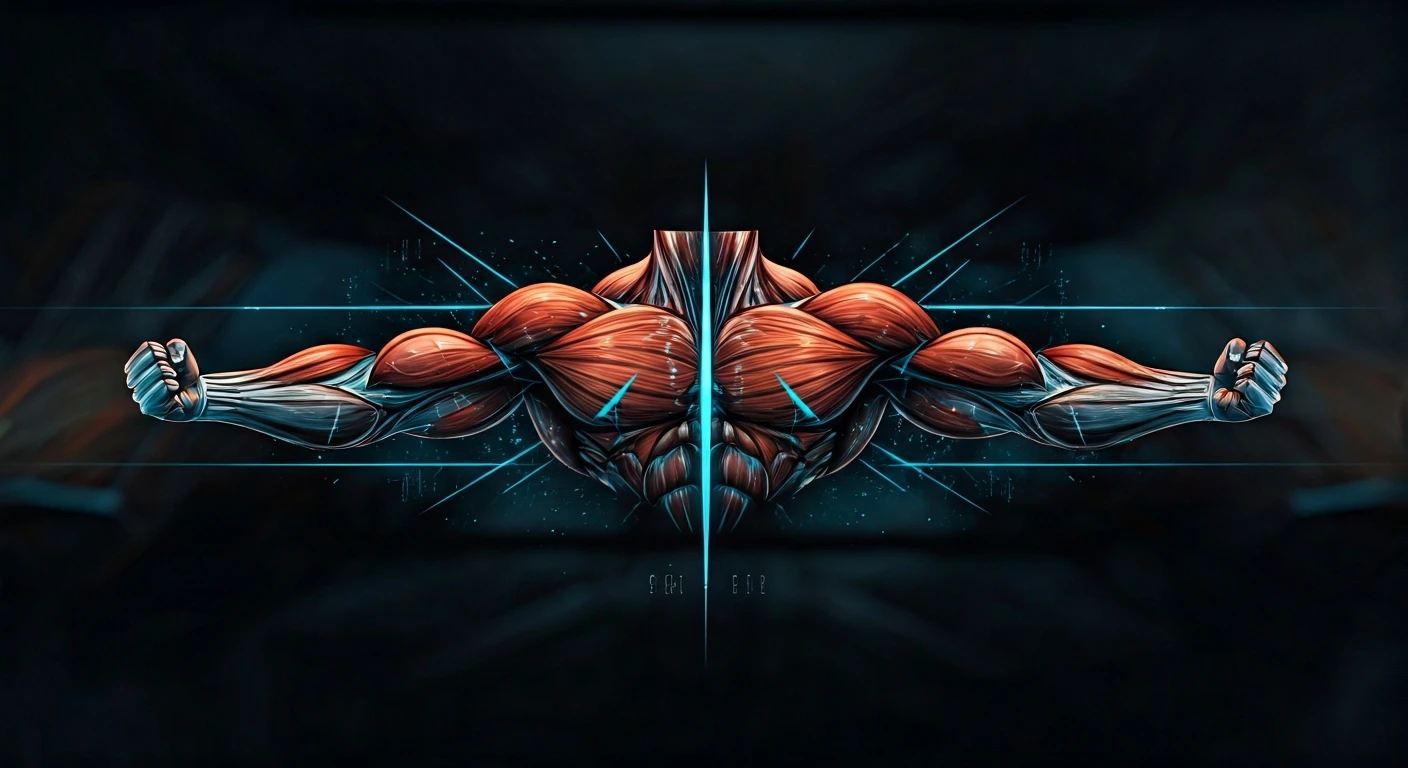
muscles that naturally work together. On a 'Push' day, you train the muscles responsible for pushing movements: the chest, shoulders, and triceps. A 'Pull' day targets the muscles used for pulling: the back and biceps. Finally, 'Legs' day is dedicated to the entire lower body, including quadriceps, hamstrings, glutes, and calves. This logical structure is one of the reasons for its enduring popularity among beginners and advanced lifters alike.
The Core Benefits: Efficiency and Recovery
One of the biggest advantages of the PPL split is its efficiency. By training related muscle groups together, you create synergy in your workouts; for example, your triceps and shoulders get significant work during chest presses on push day. This overlap ensures maximum effectiveness. Another key benefit is optimized recovery. While your 'push' muscles are recovering, you can train your 'pull' or 'leg' muscles without interference. This structure allows you to train muscle groups more frequently—often twice a week in a six-day cycle—which research suggests is optimal for muscle growth, without risking overtraining.
The Scheduling Flexibility
PPL is highly adaptable to your schedule. It can be run as a three-day-a-week program, hitting each muscle group once, which is great for beginners or those with limited time. More commonly, it's used as a six-day-a-week routine, where you go through the Push, Pull, and Legs cycle twice. This high-frequency approach is ideal for intermediate and advanced lifters aiming to maximize muscle hypertrophy. There are also popular five-day variations, offering a middle ground that provides excellent volume and recovery.
Potential Drawbacks and Criticisms
Despite its strengths, PPL isn't without its critics or limitations. A major point of contention arises with a three-day split, as training each muscle group only once a week is not considered optimal for maximizing growth. For those with less than six days to commit, an 'Upper/Lower' or 'Full Body' split might provide the more beneficial twice-per-week muscle stimulus. Furthermore, on a PPL plan, exercises for smaller muscles (like triceps or biceps) always come after heavy compound lifts, meaning they are trained in a fatigued state. This can be a disadvantage if you have stubborn, lagging arms that need to be prioritized when you are fresh. Finally, leg days can be notoriously difficult and long, which can lead to some people pacing themselves and not giving maximum effort throughout the entire workout.
The Verdict for 2026
So, is PPL worth it in 2026? The answer is a resounding 'yes,' but with a crucial caveat: it depends entirely on your goals, schedule, and experience level. The principles of PPL—grouping synergistic muscles and allowing for ample recovery—are timeless and effective. For those who can commit to five or six gym sessions a week and are focused on building muscle (hypertrophy), the PPL split remains one of the gold standards. It provides the frequency and volume needed for serious growth. However, if your schedule only allows for three or four training days per week, you may see better results from an Upper/Lower or Full Body split that ensures each muscle is hit twice weekly. The best workout split is the one you can stick to consistently. PPL's structured, logical, and scalable nature means it will continue to be a top contender for dedicated lifters for years to come.