


The Unique Charm of Nilgiri Tea
Grown in the lush Blue Mountains (Nilgiris) of Southern India, Nilgiri tea is often called the ‘third cousin’ to the more famous Darjeeling and Assam teas, but it boasts a unique character all its own. Unlike the malty boldness of Assam or the muscatel
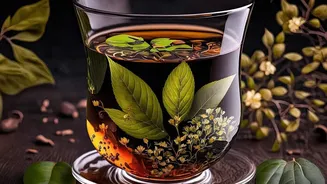
notes of Darjeeling, Nilgiri tea is prized for its fragrance and delicate, smooth flavour. It has a naturally brisk, clean, and floral taste with fruity undertones, making it exceptionally refreshing. Because it is less tannic, it lacks the bitterness that can sometimes be found in other black teas, making it a perfect candidate for drinking without milk or sugar. This quality also makes it an excellent base for iced tea and cold brews, as it doesn't cloud when chilled.
Why Cold Brewing Makes a Difference
The magic of cold brewing lies in its gentle, slow extraction process. Instead of steeping tea leaves in hot water for a few minutes, cold brewing involves leaving them in cold water for several hours, typically in the refrigerator. This slow infusion fundamentally changes the flavour profile. Hot water tends to pull out tannins and caffeine more aggressively, which can lead to bitterness and astringency. Cold water, on the other hand, coaxes out the tea's flavours more gently, leaving most of the bitter compounds behind. The result is a remarkably smooth, rounded, and naturally sweeter-tasting beverage. This method preserves the delicate aromatic notes of the Nilgiri leaves, creating a drink that is both sophisticated and incredibly easy to drink.
The Low-Sugar and Health Advantage
For those monitoring their sugar intake, cold-brewed Nilgiri tea is a standout choice. The primary benefit comes from the fact that unsweetened tea is naturally a zero-sugar, low-calorie beverage. Because the cold brewing process creates a smoother and less bitter taste, there is often no need to add sugar, honey, or other sweeteners to make it palatable. This makes it an effortless swap for sugary sodas and juices. Beyond being low in sugar, Nilgiri tea is rich in antioxidants like flavonoids, theaflavins, and thearubigins, which help combat cellular damage and support overall wellness. Some studies suggest regular black tea consumption may support heart health and aid digestion. With a moderate caffeine content, it provides a gentle lift without the jitters often associated with coffee.
How to Make Your Own Nilgiri Cold Brew
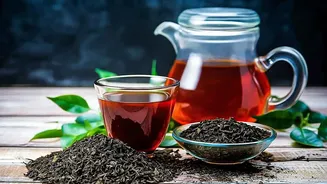
Making cafe-quality cold brew at home is surprisingly simple. You'll need loose-leaf Nilgiri tea and a large pitcher or jar. A good starting ratio is about 1 to 1.5 tablespoons of tea leaves for every litre of cold, filtered water. Simply combine the tea and water in your container, stir gently, and cover it. Place the pitcher in the refrigerator for 6 to 12 hours. Green teas may require less time (4-6 hours), while black teas benefit from a longer steep. There's no need to worry about over-steeping as you would with hot tea. Once the steeping is complete, strain the leaves out, and your cold brew is ready to serve. It can be stored in the fridge for up to a few days. Pour over ice and enjoy it plain or with a garnish.
Creative Blends and Flavour Pairings
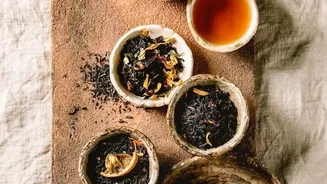
While pure Nilgiri cold brew is delicious on its own, its balanced flavour profile makes it a fantastic canvas for creative blends. Its natural citrus and floral notes pair beautifully with a variety of additions. Try adding slices of fresh lemon, orange, or sweet lime for a zesty twist. For a more aromatic infusion, consider adding a few sprigs of fresh mint, crushed basil, or even a stalk of lemongrass during the brewing process. Floral elements like dried hibiscus, rose petals, or lavender can also be added to the tea leaves before steeping to create a fragrant and layered beverage. Given its versatile taste, Nilgiri tea also pairs well with foods like vanilla-flavoured desserts, mushrooms, and even chocolate.