


A Return to Mindful Decor
This shift towards simplicity is more than just an aesthetic choice; it’s a conscious move towards sustainability and tradition. In recent years, there has been a growing awareness of the environmental impact of plastic-heavy festival decorations. As
a result, many are finding joy in eco-friendly alternatives that are both beautiful and meaningful. Using natural and biodegradable materials like flowers, clay diyas, and rice flour for rangoli not only reduces waste but also connects us to the roots of the festival. This approach encourages a more personal and hands-on celebration, where the act of decorating becomes a cherished ritual in itself, infusing the home with positive energy and a sense of peace.
The Freshness of Floral Arrangements
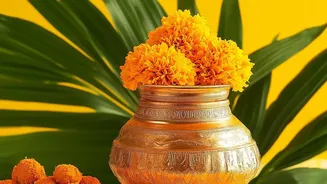
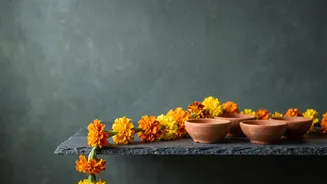
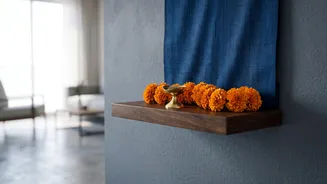
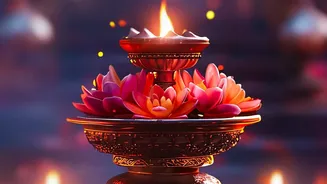
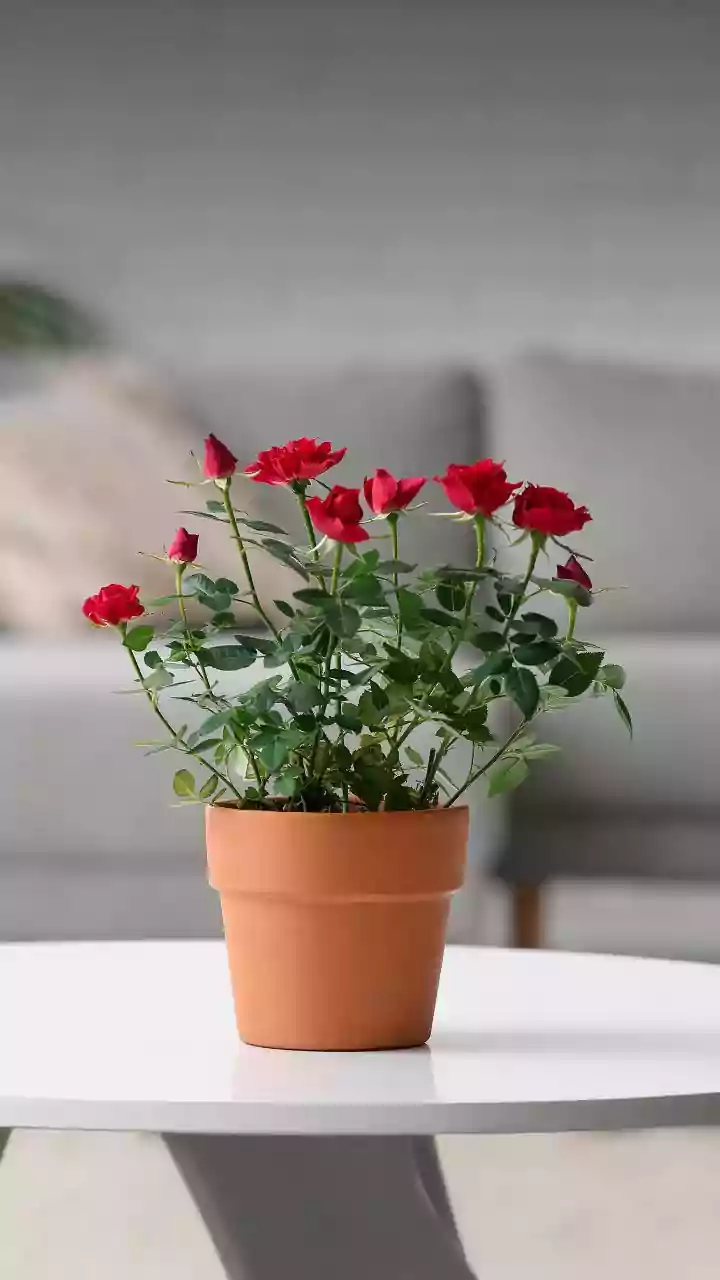
Flowers are central to this decorating trend, bringing natural beauty, colour, and fragrance into the home. While marigold garlands are a timeless classic, symbolizing purity and positive energy, there are many other blooms to explore. Strings of jasmine can be hung in doorways, rose petals can be scattered in urlis filled with water, and lotus flowers can create a stunning centrepiece for the puja area. Using fresh flowers allows for creativity; you can even align your floral choices with the specific colour designated for each of the nine days of Navratri. These natural decorations not only look divine but also fill the space with a calming, organic scent that enhances the spiritual atmosphere.
The Gentle Glow of Diyas
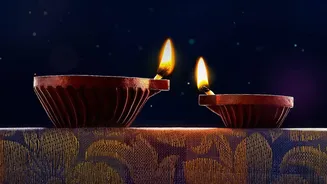
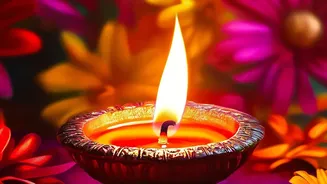
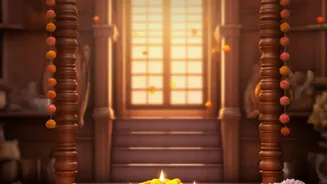
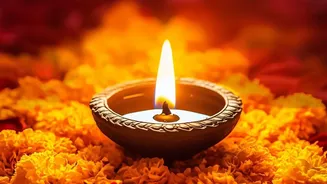
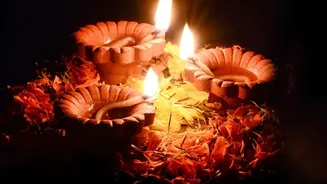
The soft, warm light of earthen diyas is synonymous with Indian festivals, symbolizing the victory of light over darkness. Instead of just lining them up on a windowsill, consider creating artistic arrangements. Place them in clusters around your rangoli, float them in a bowl of water with petals, or use decorative terracotta and brass holders to add height and dimension. Using ghee or vegetable oil in traditional clay diyas is an eco-friendly choice that provides a steady, gentle glow. Combining diyas with fairy lights or modern LED options can create a layered lighting effect that makes the home feel warm, inviting, and magical.
Rangoli: Art Under Your Feet
Rangoli at the entrance of the home is a beautiful way to welcome guests and divine blessings. This tradition is seeing a revival with a focus on natural materials. Instead of chemical-based powders, many are using rice flour, turmeric, and flower petals to create their designs. Floral rangolis, in particular, are gaining popularity for their vibrant colours and natural fragrance. You can create intricate traditional patterns or opt for simpler, more modern geometric designs. A rangoli made of fresh marigold, rose, and chrysanthemum petals, illuminated by a few carefully placed diyas, can be a breathtaking focal point for your festive decor.
Creating a Harmonious Look
The key to mastering this simple style is balance. The goal is to create a space that feels festive and special, but not cluttered. Choose a focal point for your decorations, such as the home entrance or the puja mandir. Use a cohesive colour palette, perhaps drawing from the colour of the day, to tie everything together. For example, you can use a vibrant sari or dupatta as a backdrop for your idols, and then echo those colours in your flower arrangements and rangoli. By thoughtfully combining flowers, diyas, and rangoli, you can create a harmonious and soulful environment that truly captures the sacred spirit of Navratri.