


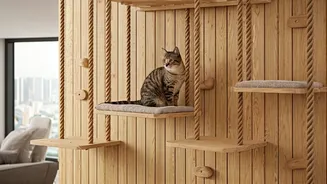


Why Your Cat Needs to Go Vertical
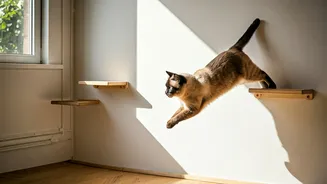
In the wild, cats are both predator and prey. Climbing offers a strategic advantage—a high vantage point to survey their territory for opportunities and threats. This instinct doesn't disappear just because they live indoors. Providing vertical space,
often called 'catification', is one of the most important things you can do for your pet’s well-being. It allows them to feel safe, confident, and in control of their environment. A bored cat is often a destructive cat, and a well-designed wall playground can alleviate issues like furniture scratching, anxiety, and inter-cat squabbles by providing an enriching outlet for their energy and natural behaviours. It’s not just a playground; it’s a crucial piece of their world.
The Building Blocks of a Cat Wall
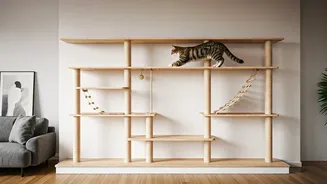
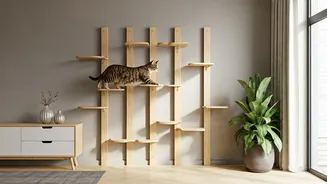
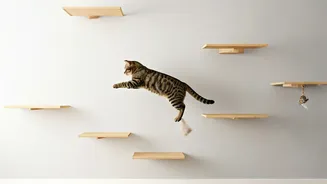
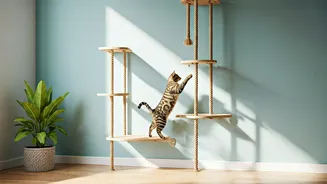
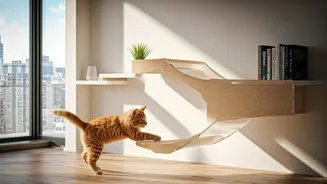
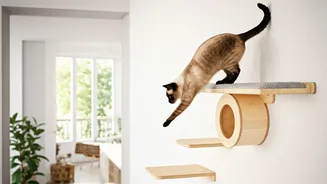
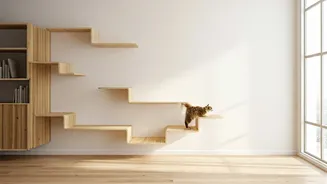
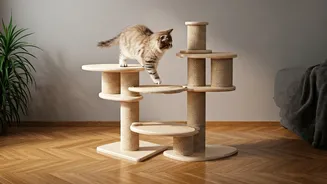
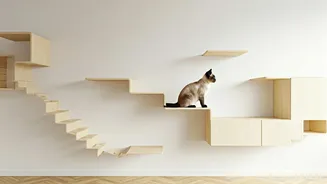
Creating a feline playground doesn't have to be complicated. It’s about combining a few key elements to create a 'feline freeway'. You can buy pre-made kits or get creative with DIY components. Think about incorporating: - **Shelves and Perches:** These are the fundamental steps of your vertical highway. They can be simple floating shelves or custom-made perches. Ensure they are wide and deep enough for your cat to lounge on comfortably. - **Scratching Surfaces:** Integrate vertical scratching posts or sisal-wrapped surfaces directly into the wall design. This encourages them to scratch in appropriate places. - **Bridges and Ramps:** A rope bridge or a carpeted ramp can connect two different sections, adding an element of fun and a physical challenge. - **Hammocks and Beds:** A wall-mounted hammock or a cosy bed at a high point provides the perfect destination—a secure spot for a nap with a view. - **Cubby Holes:** Enclosed boxes or cubes offer a safe hiding spot where your cat can feel secure while still being elevated.
Planning Your Feline Freeway
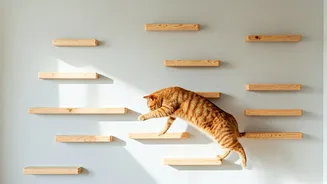
Before you drill a single hole, take time to plan. Observe your cat. Where do they like to hang out? Is there a window they love to look out of? Try to integrate the wall playground into their existing patterns. Sketch out your design on paper. The key is to create a path with multiple entry and exit points so a cat never feels cornered. Space the shelves strategically. The average cat can comfortably jump about 1-1.5 metres vertically and horizontally, but start with smaller, safer distances between shelves (about 30-45 cm apart, both vertically and horizontally) to encourage use and ensure safety. Make sure the first step is low enough for them to access easily from the floor or a piece of furniture.
Material and Safety Checklist
Safety is the most critical aspect of this project. A poorly installed shelf can lead to serious injury. Your priority is to build something that is rock-solid. First, use a stud finder to locate the wooden studs within your walls. Anchoring shelves directly into studs is the most secure method. If a stud isn't available, use heavy-duty drywall anchors specifically rated to hold significant weight—far more than the weight of your cat. For materials, choose solid wood (like pine) over particleboard, which can sag or break. Ensure any paint or finish you use is non-toxic and pet-safe. Cover shelves with a non-slip surface like a carpet square or cork to provide grip for take-offs and landings.
Installation and Introduction
When it's time to build, double-check your measurements and use a level to ensure shelves are straight. Use strong, high-quality brackets and screws appropriate for your wall type and the weight they will bear. Once everything is installed, give each shelf a firm tug to test its stability before you let your cat explore. Don't be discouraged if your cat ignores it at first. Introduce them to the space slowly. Use treats, catnip, or their favourite wand toy to lure them up onto the first shelf. Make it a positive experience. Once they realise the wall is a stable, fun, and high-up place just for them, their natural curiosity will take over.