






A Growing Call for Walkable Spaces
From the bustling metropolises of Delhi and Mumbai to fast-growing cities like Bengaluru and Chennai, a clear message is emerging from neighbourhood groups and Resident Welfare Associations (RWAs): we need better places to walk. For decades, urban planning
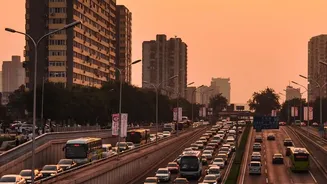
in India has overwhelmingly prioritized cars, resulting in wider roads, flyovers, and a transport network that often leaves pedestrians as an afterthought. This has led to a reality where footpaths, if they exist at all, are often broken, encroached upon by vendors or parked vehicles, or simply disappear, forcing people onto dangerous, traffic-filled streets. This citizen-led push isn't just about aesthetics; it’s a fundamental demand for a shift in urban design philosophy, from a car-centric model to a more people-centric one.
More Than Just a Pathway
The demand for walking tracks is rooted in a desire for a healthier, safer, and more connected community life. Proponents argue that well-designed pedestrian infrastructure offers a multi-pronged solution to several urban challenges. Physically, it encourages an active lifestyle, which is crucial in a nation grappling with a rise in non-communicable diseases. Mentally, green and walkable spaces provide a much-needed respite from the stress of urban life. Socially, these tracks become natural meeting points, fostering community interaction among residents of all ages. Furthermore, ensuring safe pedestrian paths is a matter of public safety, as pedestrians and cyclists account for a shockingly high percentage of road fatalities in India.
The Hurdles on the Path to Walkability
Despite the clear benefits, creating and maintaining these spaces is fraught with challenges. The primary obstacle is the historical and ongoing focus on vehicle infrastructure in municipal budgets and planning. Even when funds are allocated for parks and pedestrian paths, execution can be slow. RWAs in cities like Delhi have reported long delays in receiving promised funds for park maintenance, leaving community-led initiatives in limbo. Other significant issues include the lack of continuous, connected networks, encroachment on existing footpaths, and the complex coordination required between various municipal departments. There is also a perception battle to be won: convincing policymakers and a segment of the public that dedicating space to pedestrians is not a loss for vehicles, but a gain for the city as a whole.
A Blueprint for the Future
Successful projects in cities like Chennai, where the construction of over 100 kilometers of footpaths led to a measurable shift from motorized transport to walking, serve as a powerful case study. These examples show that when high-quality walking infrastructure is provided, people use it. A 'good' walking track is more than just a strip of pavement; it incorporates features like adequate lighting for safety, even surfacing, green cover for shade, and benches for rest. As more citizens become vocal advocates for their right to a walkable city, they are not just asking for a track to walk on; they are participating in the reimagining of India's urban future—one that is more sustainable, equitable, and liveable for all.