


Why Pickles Are So Salty
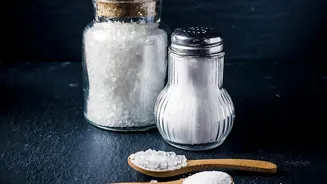
Salt is the cornerstone of pickling, and not just for taste. It acts as a powerful preservative, drawing out water from vegetables and creating an environment where harmful bacteria cannot survive. This process, known as curing, is essential for giving
pickles their characteristic crunchy texture and long shelf life. Indian pickles, or 'achar', often use a combination of salt, oil, and spices for preservation. A single tablespoon of some commercial Indian pickles can contain a significant portion of your recommended daily sodium intake. For example, some mango pickles may have over 1000mg of sodium in a two-tablespoon serving.
How Much Sodium Is Too Much?
The World Health Organization (WHO) and the Indian Council of Medical Research (ICMR) recommend that adults consume less than 5 grams of salt per day, which is equivalent to about 2,000 mg of sodium. However, studies show that the average Indian adult consumes around 8 to 11 grams of salt daily, which is nearly double the recommended limit. When just a small serving of pickle can pack 900-1200 mg of sodium, it's easy to see how your daily total can quickly exceed healthy levels, especially when combined with salt from other meals.
The Health Risks of Excess Sodium
Regularly consuming too much salt can lead to a host of health problems. The most well-known risk is high blood pressure (hypertension). When you have excess sodium, your body retains water to dilute it, increasing the volume of blood in your bloodstream. This forces your heart to work harder and increases pressure on your arteries. Over time, this strain can lead to serious conditions like heart disease, stroke, and kidney disease. High sodium intake can also cause more immediate effects like bloating, puffiness, and increased thirst.
Don't Forget the Benefits
Despite the high sodium content, pickles are not entirely without their merits. They are a low-calorie food and can be a source of certain vitamins and antioxidants. For instance, cucumbers are rich in beta-carotene, which the body converts to vitamin A, and also contain vitamin K. Furthermore, naturally fermented pickles (those made without vinegar, typically found in refrigerated sections) are an excellent source of probiotics. These beneficial bacteria are crucial for good gut health, aiding digestion and boosting the immune system.
Smart Ways to Enjoy Your Achar
The good news is you don't have to give up your favourite condiment. The key is moderation and making smarter choices. Treat pickles as a flavour enhancer, not a main side dish. Use a small spoonful instead of a large helping. Pay attention to nutrition labels on commercially produced pickles and, where possible, choose brands that are specifically marked as low-sodium. Another option is to make your own pickles at home. This allows you to control the amount of salt used. Recipes for reduced-sodium pickles often use more vinegar or other spices to compensate for the flavour. Finally, balance your pickle consumption by reducing salt in other areas of your diet, such as avoiding highly processed foods, which are a major source of hidden sodium.