






The Bean-to-Bar Philosophy
For decades, chocolate in India was synonymous with sugary, milky bars from large corporations. The alternative was expensive imported brands. But now, a new movement is championing a different approach: bean-to-bar. This method means the chocolatier
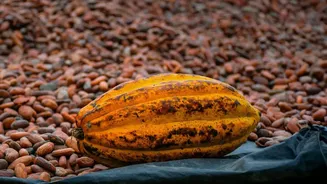
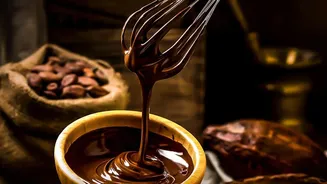
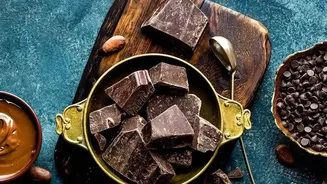
controls the entire process, from sourcing the cacao beans directly from farmers to roasting, grinding, and moulding the final bar. This meticulous oversight allows for greater control over quality, flavour, and ethics, resulting in a product that tells a story of its origin. Unlike industrial chocolate that often uses artificial additives, these artisans focus on purity, using minimal ingredients like fine cacao, pure cocoa butter, and unrefined sugar to let the bean's natural character shine.
South India’s Cacao Advantage
South India, particularly the states of Kerala, Tamil Nadu, and Karnataka, provides the perfect ground for this movement. The region has a history of cacao cultivation, but the beans were traditionally sold for mass-market production. Artisanal makers are now working directly with farmers in areas like the Anamalai foothills and the Idukki district, encouraging organic practices and paying premium prices for high-quality beans. This collaboration not only improves the livelihood of farmers but also elevates the quality of Indian cacao. The unique terroir of South India, where cacao is often intercropped with coconut, banana, and spices, imparts subtle and complex flavours into the beans, creating a taste profile that is distinctly Indian.
The Pioneers of the Movement
Several key brands have been instrumental in building this cult following. Mason & Co, founded in Auroville, was one of the early pioneers, creating organic, vegan chocolate with an all-female workforce. Started by a couple frustrated with the lack of quality chocolate in India, they focused on direct sourcing from southern farms. Another trailblazer is Naviluna in Mysuru (formerly Earth Loaf), considered India's first bean-to-bar house, which has been using organically certified Indian cacao since 2012. Brands like Soklet have taken it a step further, establishing themselves as 'tree-to-bar' makers who grow cacao on their own plantations in Tamil Nadu. Meanwhile, Kochi-based Paul and Mike gained international acclaim for their innovative flavours and commitment to working closely with farmers in Kerala and Andhra.
Crafting a 'Cult' Connection
The devoted following these brands have cultivated is no accident. It’s built on transparency, education, and flavour. By telling the story of their beans' origin and their making process, they connect with consumers who are increasingly conscious about where their food comes from. Many brands offer factory tours and tasting workshops, demystifying the world of fine chocolate. The secret weapon, however, is flavour innovation rooted in Indian heritage. Instead of standard nuts and caramel, these chocolatiers are infusing their bars with ingredients like jamun, sitaphal (custard apple), Sichuan pepper, gondhoraj lime, and even sourdough. This combination of global craft and local palate has created a product that is both aspirational and deeply familiar, turning curious first-time buyers into loyal fans.