





The Age of Snackable Stories
Platforms like TikTok, Instagram Reels, and YouTube Shorts have mastered the art of the 60-second narrative. They deliver a constant stream of high-impact, emotionally charged content designed for maximum engagement in minimum time. This endless feed
operates on a variable reinforcement schedule, similar to a slot machine, providing quick, unpredictable rewards that keep our brains hooked. This media diet trains us to expect constant novelty and rapid pacing. As a result, our collective attention span for any single topic is shrinking. This isn't just a feeling; scientific studies have shown that heavy consumption of short-form videos is linked to impaired attentional control and a greater tendency to be distracted.
Your Brain on a High-Speed Feed
The feeling of mental fog after too much scrolling, sometimes called 'brain rot', has a scientific basis. Each quick, stimulating video provides a small hit of dopamine, a chemical in the brain associated with pleasure and reward. This creates a feedback loop where the brain craves another hit, encouraging more scrolling. Over time, the brain circuits used for rapid task-switching are strengthened, while those needed for sustained focus—the kind required for reading a book or watching a two-hour film—can weaken. Studies using EEG technology have revealed that frequent viewers of short videos can show changes in brain activity related to attention functions. Essentially, our brains adapt to the high-speed, low-concentration environment of social media, making slower, more deliberate forms of entertainment feel less engaging.
Cinema's New, Faster Rhythm
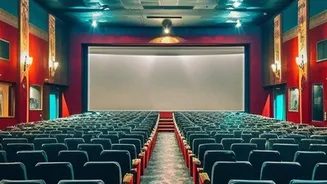
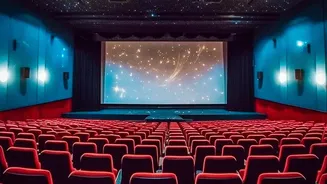
The film industry is not just aware of this shift; it's adapting to it. An analysis of movies over the last 75 years shows a clear trend: average shot lengths have become progressively shorter. While this trend predates TikTok, the frantic pace of today's social media seems to be accelerating it. Action sequences are filled with rapid cuts, but the effect is also seen in comedies and adventure films. Filmmakers and studios know that audience attention is a precious currency they must compete for. This leads to movies with less setup, faster plot progression, and editing styles that mimic the quick-cut nature of viral videos. The goal is to hook the viewer from the very first frame and never let go, fearing that a moment of quiet could be the moment they lose their audience to their phones.
The TikTok-to-Multiplex Pipeline
The influence of short-form video extends beyond editing styles and into the very DNA of what gets made. Studios now use platforms like TikTok as a massive, real-time focus group. They track trending sounds, monitor which intellectual properties are generating organic buzz, and greenlight projects that have a built-in viral potential. A film's success can be significantly boosted by its presence on the platform, with user-generated content like reviews, edits, and memes serving as powerful, authentic marketing. This has created a feedback loop where TikTok doesn't just promote movies; it actively shapes them, influencing everything from casting choices to musical selections. Even micro-dramas, designed in short, vertical bursts, are being explored as a bridge between social media and traditional storytelling.
Is There Still Room for Slow Cinema?
While the dominant trend is towards faster, more immediately gratifying content, a counter-movement is also emerging. Some audiences are expressing a desire for more tangible, deliberately crafted films. There's a growing appreciation for movies shot on real locations with practical effects, suggesting a fatigue with overly digitized, fast-paced blockbusters. The success of slower, more challenging films proves there is still an appetite for stories that demand patience and attention. The industry may be bifurcating, with studios producing both TikTok-friendly blockbusters and prestige pictures that offer a different kind of viewing experience. Instead of killing the feature film, the short-form video revolution may be forcing it to evolve, creating new storytelling formats while also reminding some viewers of the unique power of long-form, immersive cinema.