






Choose Your Homestay Wisely
Not all homestays are created equal, especially in the monsoon. Before booking, prioritise properties with positive reviews specifically mentioning monsoon stays. Look for comments on reliable power backup, as power cuts can be frequent during heavy rains.
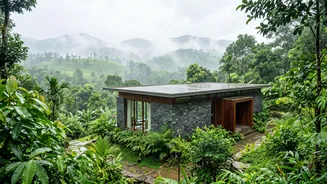
It's crucial to select a homestay with good, all-weather road access; avoid properties that require navigating long, unpaved tracks which can become treacherous. Don't hesitate to call the host directly. Ask about the current local conditions, potential waterlogging in the area, and their cancellation policy in case of severe weather warnings. An established plantation stay is often a good bet, as they are typically well-equipped to handle the season.
Navigating the Journey
The journey to Wayanad is as much a part of the experience as the destination itself, but monsoon roads demand respect. The main highways are generally well-maintained, but the winding ghat sections, like the Thamarassery Churam, can be slippery and foggy. Visibility can drop significantly, so avoid driving at night. Heavy rains increase the risk of landslides and waterlogging. If you're not experienced with hill driving in such conditions, hiring a local driver is a wise and safe alternative. They are familiar with the terrain and know which routes to avoid after a downpour. Always check for local travel advisories from district authorities before you start your journey.
Pack for the Rainforest, Not the City
Your packing list can make or break your monsoon trip. Quick-dry synthetic clothing is far more practical than cotton, which takes forever to dry in the humid air. A high-quality waterproof jacket and a windproof umbrella are non-negotiable. Footwear is critical; choose anti-slip, waterproof shoes or trekking sandals with a good grip for slippery trails. Protect your electronics with waterproof bags or pouches. Also, pack a powerful insect repellent and consider carrying salt or a sanitiser spray as a precaution against leeches, which are common in damp, forested areas during this season. A power bank is essential for dealing with potential electricity outages.
Health and Awareness on the Ground
Once you're settled in, staying healthy and aware is key. Be cautious about leeches on treks and nature walks. These critters are generally harmless but can be an unpleasant surprise. Wearing long pants tucked into your socks can help prevent bites. If a leech does attach, don't pull it off; gently nudge it off with a fingernail or a sprinkle of salt. To avoid waterborne ailments, drink only bottled or boiled water and eat from hygienic, well-regarded establishments. Keep an eye on daily weather forecasts and heed any warnings issued by local authorities. Some trekking trails and attractions, like Kuruva Island, may be temporarily closed for safety during heavy downpours, so it's always best to check their status before heading out.
Embrace the Monsoon Experience
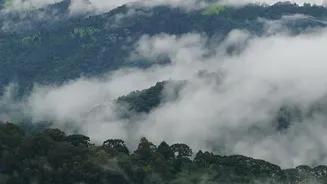
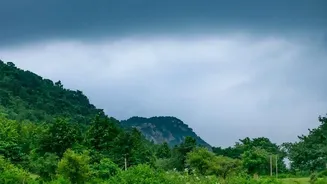
Safety is paramount, but don't let it overshadow the reason you came: to experience the unparalleled beauty of a Wayanad monsoon. This is the season when waterfalls like Soochipara and Meenmutty are at their most spectacular, roaring with life. The landscape transforms into a vibrant, emerald paradise that is a dream for photographers. A key part of the experience is simply relaxing at your homestay, sipping a hot cup of tea on a covered verandah, and watching the rain transform the world outside. Many homestays offer delicious, home-cooked Kerala meals that are the perfect comfort food for the cool, wet weather. By being prepared, you free yourself to fully immerse in the serene and dramatic atmosphere that only a rainforest in peak monsoon can offer.