
The Two Types of Iron
Iron is a vital mineral that our bodies need to create red blood cells and transport oxygen. Without enough of it, we can feel tired, weak, and generally run down. Iron in our food comes in two forms: heme and non-heme. Heme iron, found in animal products
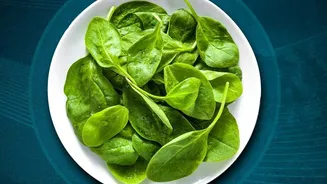
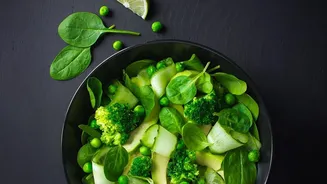
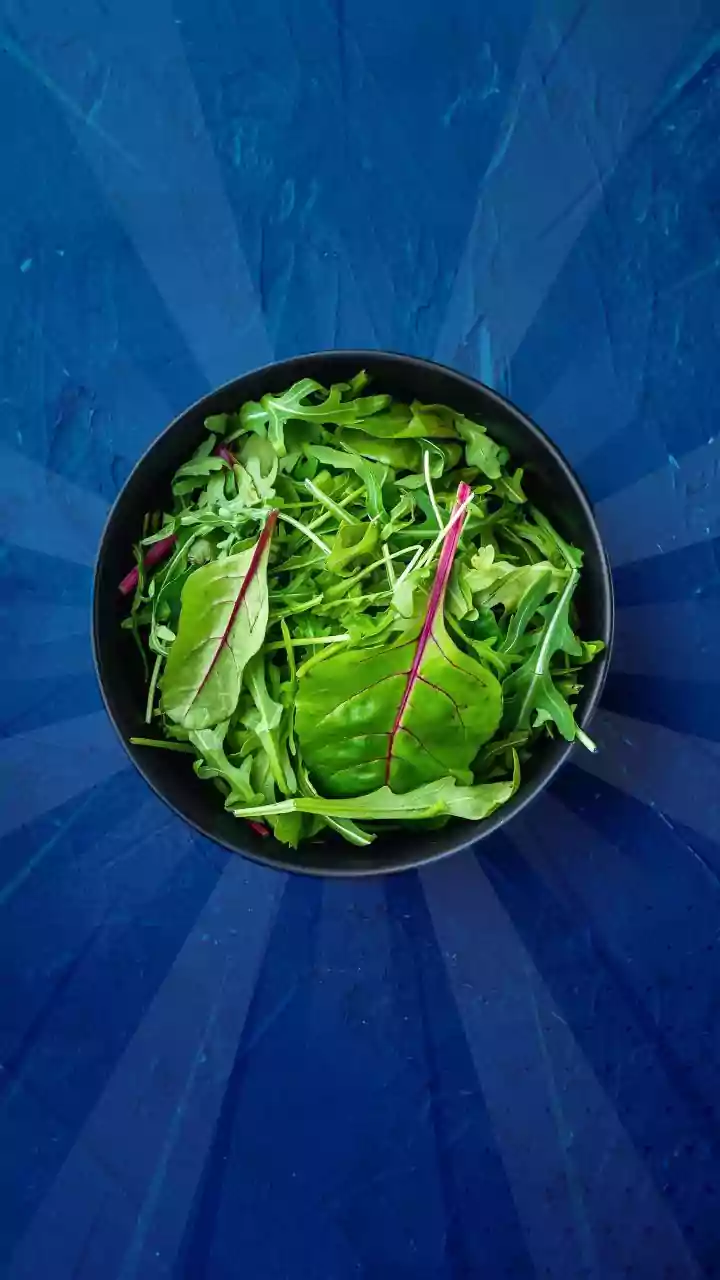
like meat, poultry, and fish, is easily absorbed by our bodies. Non-heme iron, however, is a different story. This is the type of iron found in plant-based foods like leafy greens (spinach, kale), beans, lentils, and tofu. While these foods are nutritional powerhouses, our bodies find it much harder to absorb non-heme iron. This can pose a challenge for vegetarians, vegans, or anyone who relies heavily on plants for their iron intake.
Vitamin C: The Ultimate Iron Booster
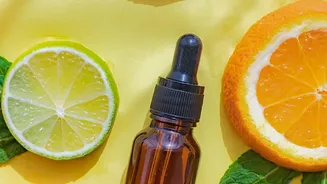
This is where vitamin C, or ascorbic acid, comes to the rescue. It acts as a powerful enhancer for non-heme iron absorption. The science is quite elegant: non-heme iron is typically in a form called ferric iron (Fe³⁺), which is difficult for our intestines to take in. Vitamin C works its magic by converting this iron into the more soluble ferrous (Fe²⁺) form, which our body can absorb much more efficiently. Studies have shown this effect is significant. Adding vitamin C to a meal can increase non-heme iron absorption several times over. So, while the headline's 'double margin' is a simplification, the core idea is correct: vitamin C can dramatically improve your body's uptake of plant-based iron, in some cases by two, three, or even four times.
The Classic Citrus and Greens Combo
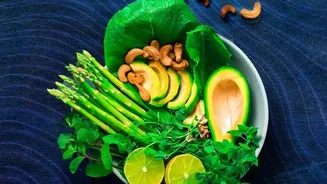
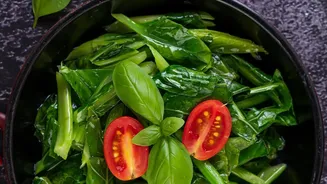
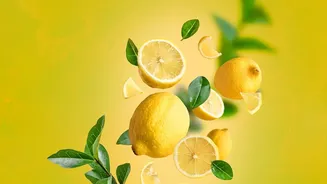
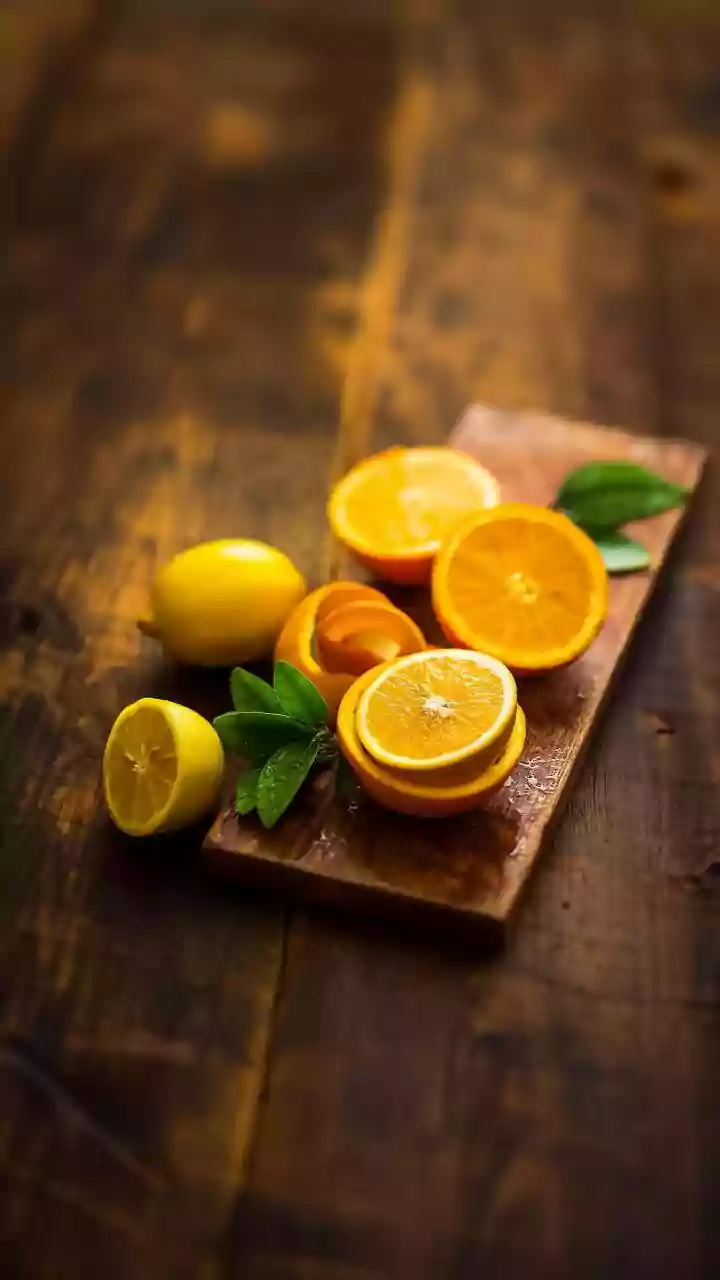
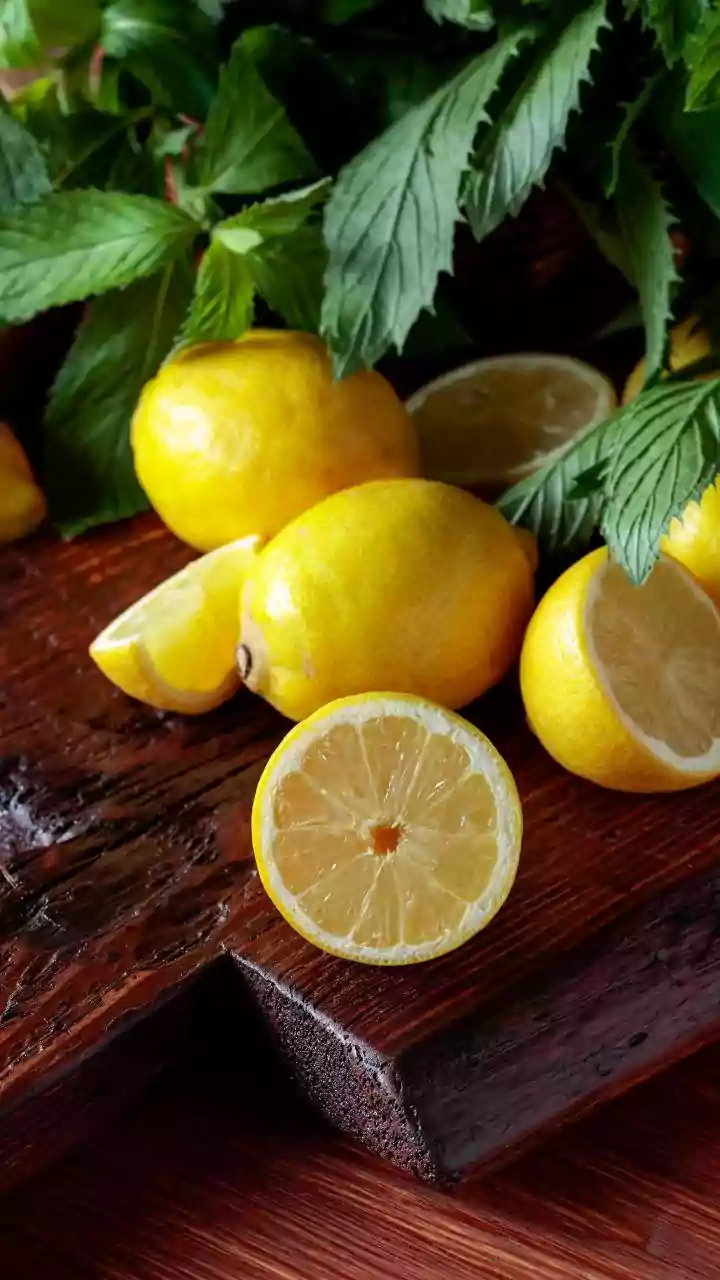
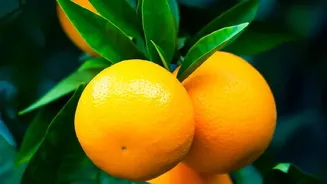
The pairing of citrus fruits with leafy greens is a classic for a reason—it's one of the most effective ways to put this science into practice. A simple squeeze of lemon or lime over a spinach or kale salad does more than add flavour; it unlocks the iron within those leaves. Think about a spinach salad with an orange-based vinaigrette, or adding a splash of lemon juice to sautéed greens. Even blending citrus fruits into a green smoothie can make the iron in the kale or spinach more bioavailable. Tomatoes, which are technically a fruit and rich in vitamin C, also work wonderfully, which is why a bean burrito with salsa or spaghetti with tomato sauce are such effective nutritional pairings.
Beyond Citrus: Other Powerful Pairings
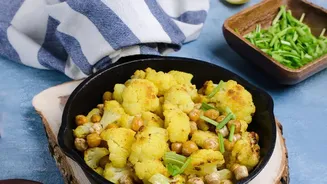
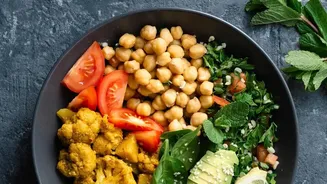
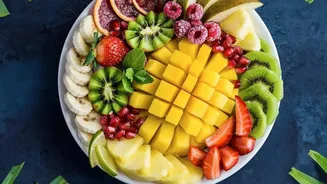
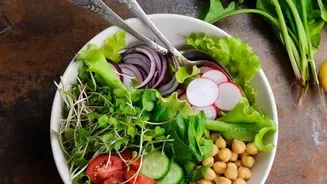
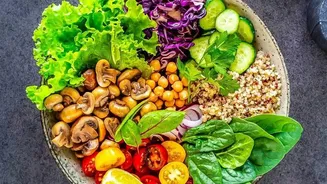
While citrus is a fantastic source of vitamin C, it's far from the only one. To maximize your iron absorption, you can create powerful pairings with a wide variety of foods. Bell peppers, especially the red and green varieties, are packed with vitamin C and can be added to lentil curries or tofu stir-fries. Strawberries, broccoli, cantaloupe, and Brussels sprouts are also excellent sources. For a powerful breakfast, try topping iron-fortified oatmeal with a handful of fresh berries. For lunch, a salad containing chickpeas (a good iron source) and sliced bell peppers is an excellent combination. The key is to consciously include a vitamin C-rich fruit or vegetable in the same meal as your plant-based iron source.
Watch Out for Iron Blockers
Just as some compounds enhance iron absorption, others can inhibit it. It's helpful to be aware of these so you can time your meals accordingly. The main culprits are phytates, found in whole grains and legumes; polyphenols and tannins, found in tea and coffee; and calcium from dairy products. This doesn't mean you should avoid these healthy foods. Instead, try not to consume them at the same time as your main iron-rich meal. For instance, it's best to enjoy your morning coffee or tea at least an hour before or after your iron-fortified breakfast cereal. By strategically separating iron inhibitors from your iron-rich meals, you give your body the best possible chance to absorb this crucial nutrient.