


Dinner and a Show
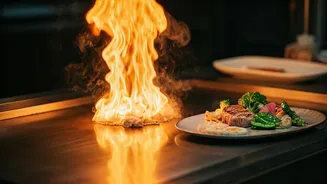
Imagine walking into a wedding or a restaurant not to find rows of chafing dishes, but to see chefs in action. One is expertly flipping a paper-thin dosa, another is tossing pasta in a giant wheel of cheese, while flames leap from a tandoor grill nearby.
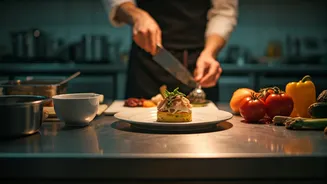
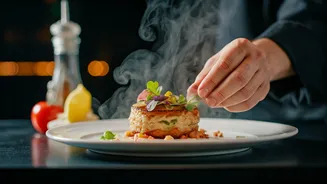
This is the essence of a live counter: a station where food is cooked fresh, on the spot, and in full view of the diners. It breaks down the wall between the kitchen and the table, turning the act of cooking into a form of entertainment. Unlike a standard open kitchen, the live counter is interactive by design. It invites you to watch, to choose your ingredients, and to have your meal customised exactly to your liking. The sizzle of a hot tawa, the aroma of spices hitting hot oil, and the visual flair of a skilled chef all combine to stimulate your appetite long before the first bite.
The Appeal of Transparency
In an age where diners are more conscious than ever about what they eat, the live counter offers a powerful dose of transparency. You see the ingredients, you watch the preparation, and you can be assured of the freshness and hygiene of your food. This visibility builds a unique trust between the diner and the chef. But the appeal runs deeper than just quality control. Psychologically, it taps into our desire for authenticity and connection. Watching your food being made feels personal and exclusive; it's a dish crafted just for you. This level of customisation, whether it’s asking for extra spice in your chaat or choosing vegetables for your stir-fry, is a luxury the traditional buffet simply cannot offer. This shift reflects a larger trend in the hospitality industry towards an 'experience economy', where consumers seek memorable moments over mere products.
From Chaat to Crêpes
The versatility of live counters is a key reason for their booming popularity across India. The concept is no longer limited to high-end restaurants; it has become a mainstay at weddings, corporate events, and even casual gatherings. The range of cuisines is vast and varied. Timeless Indian street food classics are a massive draw, with live chaat corners offering everything from pani puri with flavoured waters to sizzling aloo tikki. South Indian dosa and appam stations, where batter is expertly swirled to create crispy delights, are another crowd favourite. But the trend also embraces global flavours. Live pasta bars, wood-fired pizza ovens, Pan-Asian wok stations, and mesmerising Thai ice cream roll counters are now common sights, catering to diverse palates. Even dessert gets the interactive treatment with chefs frying up hot jalebis or flipping delicate crêpes to order.
A New Social Experience
Beyond the food itself, live counters are changing the social dynamics of dining. They act as natural gathering points, becoming conversation starters and a form of shared entertainment for guests. Instead of passively waiting at a table, people can mingle, interact with chefs, and share in the spectacle. This is particularly effective at large events like weddings, where live stations can break the ice and create a more fluid, engaging atmosphere than a rigid, seated meal. By turning the meal into an activity, these counters foster a sense of community and shared experience among guests. It’s no longer just about eating; it’s about participating in a culinary event together, creating memories that linger long after the plates are cleared.