







Using Scalding Hot Water
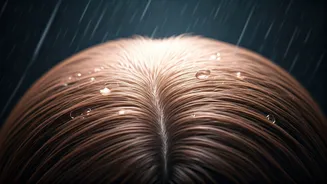
A hot shower might feel comforting on a cool, rainy day, but it’s one of the worst things for your hair. Hot water strips your scalp of its natural oils (sebum), which act as a protective barrier. This dehydration signals your scalp to produce even more
oil, leading to a greasy look. More importantly, the heat opens up your hair cuticles, making them rough and porous. When you step out into the humid monsoon air, these open cuticles absorb moisture, causing the hair to swell and resulting in uncontrollable frizz. Instead, opt for lukewarm water for your wash and finish with a quick rinse of cool water to seal the cuticles, lock in moisture, and add shine.
Washing Your Hair Infrequently
Many people reduce their hair washing frequency during the monsoon, fearing it will lead to more hair fall. However, the opposite is often true. The increased humidity and dampness create a perfect breeding ground for fungal and bacterial infections on the scalp. Rainwater itself can be acidic and carry pollutants that settle on your scalp, leading to itchiness, oiliness, and dandruff. It’s crucial to keep your scalp clean. Aim to wash your hair at least two to three times a week with a gentle, sulphate-free shampoo. If you get caught in the rain, make it a point to wash your hair as soon as you get home to rinse away impurities.
Skipping the Conditioner
In a humid climate, it's tempting to skip conditioner, fearing it will weigh your hair down and make it look flat or greasy. This is a significant mistake. A good conditioner is non-negotiable during the monsoon. It works to smooth and seal the hair cuticles that were opened during washing. This creates a protective shield against the excess moisture in the air, effectively fighting frizz before it starts. It also replenishes the moisture lost during shampooing, preventing your hair from becoming dry and brittle. The key is to use the right amount and apply it correctly.
Applying Conditioner to the Scalp
While conditioner is essential, where you apply it matters immensely. Your scalp produces its own natural oils and doesn’t need the extra hydration from a conditioner. Applying conditioner directly to the roots and scalp can clog hair follicles, leading to product buildup, increased oiliness, and even hair fall. It weighs the roots down, making your hair look limp and lifeless—a common monsoon complaint. The correct technique is to apply conditioner only from the mid-lengths to the ends of your hair, as this is the oldest and driest part that needs the most nourishment. Leave it on for a few minutes before rinsing thoroughly.
Aggressive Towel-Drying
Your hair is at its most fragile when it's wet. Vigorously rubbing your hair with a coarse towel creates friction that can rough up the hair cuticle, cause breakage, and worsen frizz. This damage is amplified in the monsoon when hair is already prone to swelling. The best approach is to gently squeeze out excess water with your hands first. Then, pat your hair dry with a soft, microfiber towel or even an old cotton t-shirt. These materials are much gentler and absorb water effectively without causing unnecessary damage or friction, leaving your hair smoother and less prone to frizz.
Tying Up Wet Hair Immediately
Piling your wet hair into a tight bun or ponytail is a recipe for disaster, especially during the monsoon. Trapping damp hair restricts air circulation, keeping your scalp wet for a prolonged period. This damp, warm environment is ideal for fungal growth, leading to dandruff and scalp infections. Furthermore, wet hair is more elastic and prone to breakage. Tying it tightly puts stress on the hair shaft and roots, leading to traction alopecia or increased hair fall over time. Always allow your hair to air-dry at least 70-80% before tying it up, and even then, opt for a loose hairstyle with a gentle scrunchie instead of a tight elastic band.