





A Powerful Taste of Nostalgia
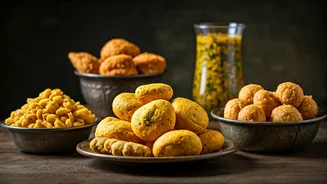
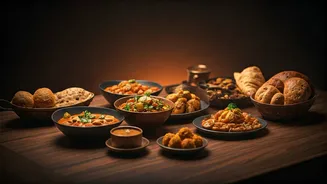
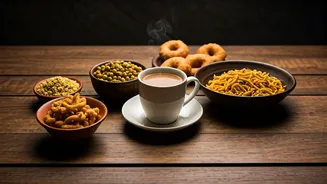
In a world that seems to be moving faster than ever, there is a collective craving for comfort and familiarity. Traditional chai snacks offer exactly that—an emotional connection to the past. Flavours of homemade mathri, chakli, and Shankar Pali evoke
memories of childhood, festivals, and simpler times spent with family. This desire for snacks that feel authentic and carry emotional weight is a significant reason people are turning away from mass-produced options. Modern life, with its hectic schedules, has created a yearning for these tastes of home, which provide a sense of belonging and warmth that processed foods often cannot replicate.
The Rise of Conscious Snacking
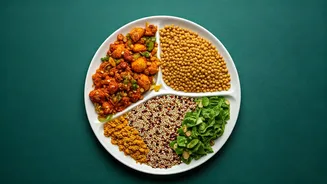
Health has become a primary driver for Indian consumers, with a growing number actively seeking out nutritious food options. This shift is reshaping the snack market, as people move away from traditional fried snacks and toward healthier alternatives. Local snacks are being reinvented for the modern, health-conscious individual. Entrepreneurs and home chefs are creating baked, air-fried, or roasted versions of classics, using whole grains like millet (jowar, ragi) and natural sweeteners like jaggery instead of refined flour and sugar. A recent study found that 72% of respondents look for snacks with functional benefits, and over half prefer products with natural, preservative-free ingredients. This has paved the way for items like roasted makhana, multigrain crisps, and baked lentil snacks to find a prominent place in the evening chai ritual.
Celebrating Local and Regional Pride
There's a growing movement across India to champion local products and businesses. This 'vocal for local' sentiment has a strong foothold in the food industry, encouraging consumers to explore and appreciate regional specialties. This has sparked a renewed interest in snacks that tell a story of their origin, from Bihar's makhana to the diverse namkeens of Gujarat and Rajasthan. As consumers become more interested in where their food comes from, small-scale enterprises and micro-food businesses are gaining visibility. This trend not only helps preserve culinary heritage but also supports local economies and provides a platform for producers in rural and semi-urban areas to reach a wider market.
The Modern Cafe Makeover
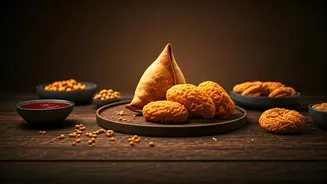
It isn't just home kitchens driving this trend. India's booming cafe culture is also playing a pivotal role. Trendy cafes are moving beyond standard croissants and muffins, creating menus that give traditional Indian snacks a contemporary twist. You might find a deconstructed samosa, a savoury corn and pea pancake inspired by the traditional cheela, or fusion items like Tandoori tacos. By presenting these familiar flavours in a fresh, Instagram-worthy format, cafes are making them appealing to a younger, urban audience. This blending of old and new makes traditional snacks cool and relevant again, bridging the gap between generations and ensuring these recipes continue to evolve.