





Why Tax Season Is a Playground for Scammers
The income tax filing season is a period of heightened anxiety for many. [20] People are focused on gathering documents, meeting deadlines, and hoping for a refund. This environment is precisely what scammers thrive on. [18] They exploit the combination
of urgency, confusion, and the potential reward of a tax refund to trick people into making costly mistakes. [18, 20] Fraudsters know that during this time, a message about a pending refund or an error in your tax filing seems plausible. [26] They impersonate officials from the Income Tax Department, sending fake emails, SMS messages, and even making phone calls to create a sense of panic or excitement. [18, 23] This psychological manipulation is designed to make you act first and think later, often leading you to approve a fraudulent transaction or reveal sensitive financial data. [13]
The Fake Refund & Payment Request Scam
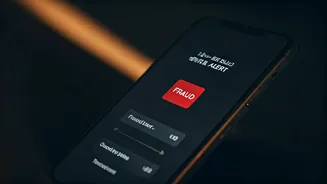
One of the most widespread scams involves a fake promise of an income tax refund. [9] You might receive an SMS or WhatsApp message with a link, claiming you are eligible for a refund. [11] The link often leads to a phishing website that looks identical to an official government portal. [7, 13] Another common tactic is the misuse of UPI's "Collect Request" feature. [10] A scammer will send you a payment request, but disguise it with words like "Refund Approval" or "Tax Credit." [15] Unsuspecting users, believing they are about to receive money, approve the request and enter their UPI PIN. The golden rule to remember is simple: you NEVER need to enter your UPI PIN to receive money. [6] Your PIN is only required for sending money from your account. Any request to enter it to receive a payment is a scam. [6, 15]
Threats and Impersonation Tactics
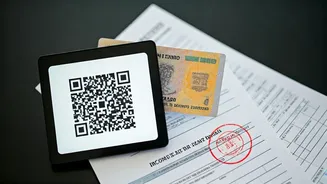
Another angle scammers use is fear. They may call or message you, posing as tax officials, and claim there is a serious issue with your tax return. [23] They use threatening language, warning of legal action or arrest if you don't immediately pay a supposed tax shortfall. [12, 18] To appear legitimate, they might use fake ID cards or fabricated case numbers. [12] These fraudsters then pressure you to share your bank details or make an urgent UPI payment to resolve the fake issue. [23] The Income Tax Department has explicitly stated that it never requests personal details like passwords, PINs, or OTPs via email, SMS, or phone calls. [7, 16] All official communication is uploaded to the e-filing portal and often includes a Document Identification Number (DIN) for verification. [12]
Key Red Flags to Watch For
Protecting yourself starts with knowing the warning signs. Be highly suspicious of any unsolicited communication about your taxes. Red flags include: * **Sense of Urgency:** Messages that threaten you or impose tight deadlines, like "your refund will expire in one hour," are designed to provoke panic. [13, 18] * **Requests for your PIN:** Anyone asking for your UPI PIN to send you money is a scammer. [6] * **Suspicious Links and Domains:** Check email addresses carefully. Official communications come from addresses ending in `@incometax.gov.in`. [12, 23] Hover over links before clicking to see the actual destination URL. [5] * **Payment Requests for Refunds:** You do not need to approve a "collect request" to receive a genuine tax refund. [15] * **Requests to Install Apps:** Fraudsters may ask you to install screen-sharing apps like AnyDesk or TeamViewer to "help" you, which gives them full access to your phone. [6, 10]
Your Defensive Playbook: How to Stay Safe
Adopting a few simple habits can significantly reduce your risk. First, always use the official Income Tax portal (incometax.gov.in) for all tax-related activities, from filing to checking your refund status. [7, 26] Never use links sent via SMS or email to access the portal. [11] Enable two-factor or multi-factor authentication on all your financial accounts, including UPI apps, for an added layer of security. [17, 20] Be cautious about what you share online and use strong, unique passwords for your financial accounts. [19] If you receive a suspicious call, hang up. If you get a suspicious email or SMS, do not reply, click any links, or open attachments. [16] You can report phishing attempts by forwarding the email to `webmanager@incometax.gov.in` and `incident@cert-in.org.in`. [7, 11] For any cyber fraud, immediately call the national helpline at 1930. [18]