







From Flowers to Food
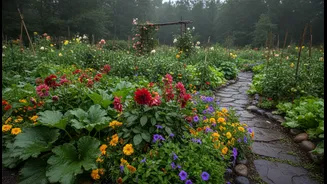
For years, monsoon gardening meant a burst of green, a revival of ferns, and a flourish of rain-loving flowers like hibiscus and jasmine. The focus was on aesthetics, on celebrating the relief from summer heat with a vibrant, if temporary, jungle on the balcony.
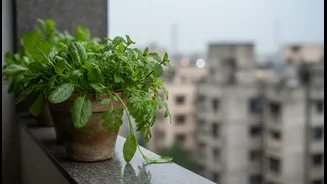
But a significant shift is underway. An increasing number of home gardeners are looking beyond the decorative and embracing the productive. The new era of monsoon gardening is about practicality: using the season’s natural irrigation and cooler temperatures to cultivate a kitchen garden that yields fresh, healthy produce. This trend is driven by a desire for food security, a growing awareness of pesticides in commercial produce, and the simple joy of harvesting what you grow.
Your Monsoon Vegetable Patch
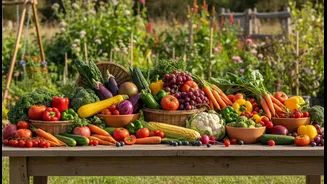
The Indian monsoon is incredibly generous for growing vegetables if you choose the right ones. The humid, warm conditions are perfect for a variety of crops. Gourds are monsoon champions, with bottle gourd (lauki), ridge gourd (turai), and bitter gourd (karela) thriving. Beans, including cluster beans (guar) and French beans, are also excellent choices, as they grow quickly and are very productive. For leafy greens, consider spinach (palak) and amaranth (chaulai), which can often be harvested multiple times. Other reliable options that do well in pots on a balcony include okra (bhindi), chillies, and brinjal. Even tomatoes and cucumbers, with the right care, can yield a rewarding harvest.
The Challenge of Too Much Water
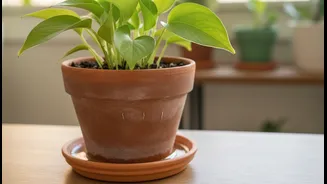
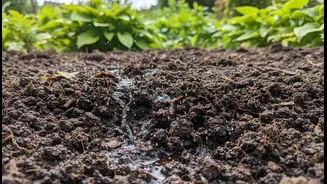
The single biggest challenge in a monsoon garden isn't a lack of water, but an excess of it. Waterlogging is the primary cause of plant failure, leading to root rot when roots can't get enough oxygen. The practical gardener’s first line of defense is ensuring excellent drainage. For container gardening, this means using pots with plenty of drainage holes and never letting them sit in saucers full of water. Elevating pots on bricks or stands can significantly improve airflow and drainage. Preparing a well-draining potting mix is also crucial. A common recommendation is to mix soil with materials like sand, coco peat, or perlite to keep it from becoming compacted and soggy.
Smart Soil and Pest Management
Practicality also extends to how you feed your plants and protect them from pests. Heavy rains can wash essential nutrients out of the soil, a process called nutrient leaching. To counteract this, it's wise to apply organic fertilizers like vermicompost or well-rotted manure every few weeks to replenish what the rain washes away. Mulching, or covering the topsoil with a layer of organic material like straw or dried leaves, is another smart move. It protects the soil from the impact of heavy raindrops, reduces erosion, and suppresses weeds. The humid conditions are also a haven for pests like snails and fungal diseases. A practical approach avoids harsh chemicals. Regular inspection and using natural deterrents like neem oil spray can keep most problems at bay.
Supporting Your Growing Garden
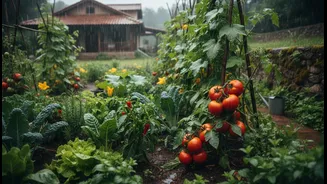
As vining plants like gourds and beans take off with the monsoon's encouragement, they need physical support to thrive. Letting them trail on the wet ground makes them susceptible to rot and disease. A practical setup involves installing trellises, stakes, or cages to help climbing plants grow vertically. This not only keeps the fruit and foliage off the damp soil but also improves air circulation, which is vital for preventing fungal infections in a humid environment. For tall plants like okra, simple bamboo stakes can prevent them from snapping in strong winds and rain. This structural foresight is a hallmark of the new, practical approach to monsoon gardening.