





Before You Leave: The Pre-Monsoon Vehicle Check
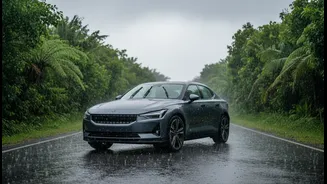
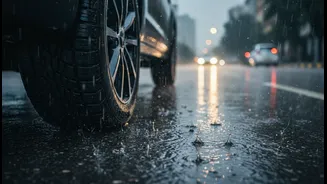
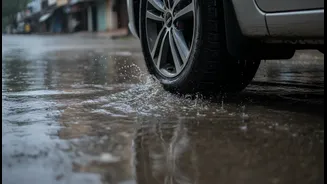
Your most important safety tool is a well-prepared vehicle. Before the heavy rains set in, take an hour to inspect critical components. Your tyres are the single point of contact with slippery roads; ensure they have a tread depth of at least 3mm for effective
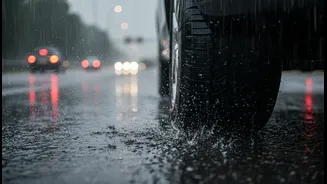
grip. Worn-out tyres significantly increase the risk of skidding and aquaplaning. Next, check your wiper blades. The summer heat degrades their rubber, so if they leave streaks or make noise, replace them. Ensure your windshield washer fluid is topped up. Finally, test all your lights: headlights (low and high beam), taillights, brake lights, and indicators. In downpours, visibility is key not just for you, but for others to see you.
On the Road: Master Monsoon Driving Techniques
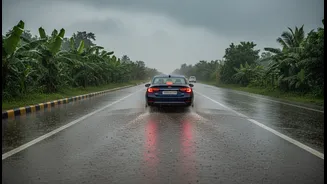
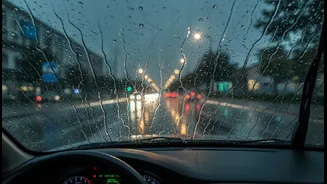
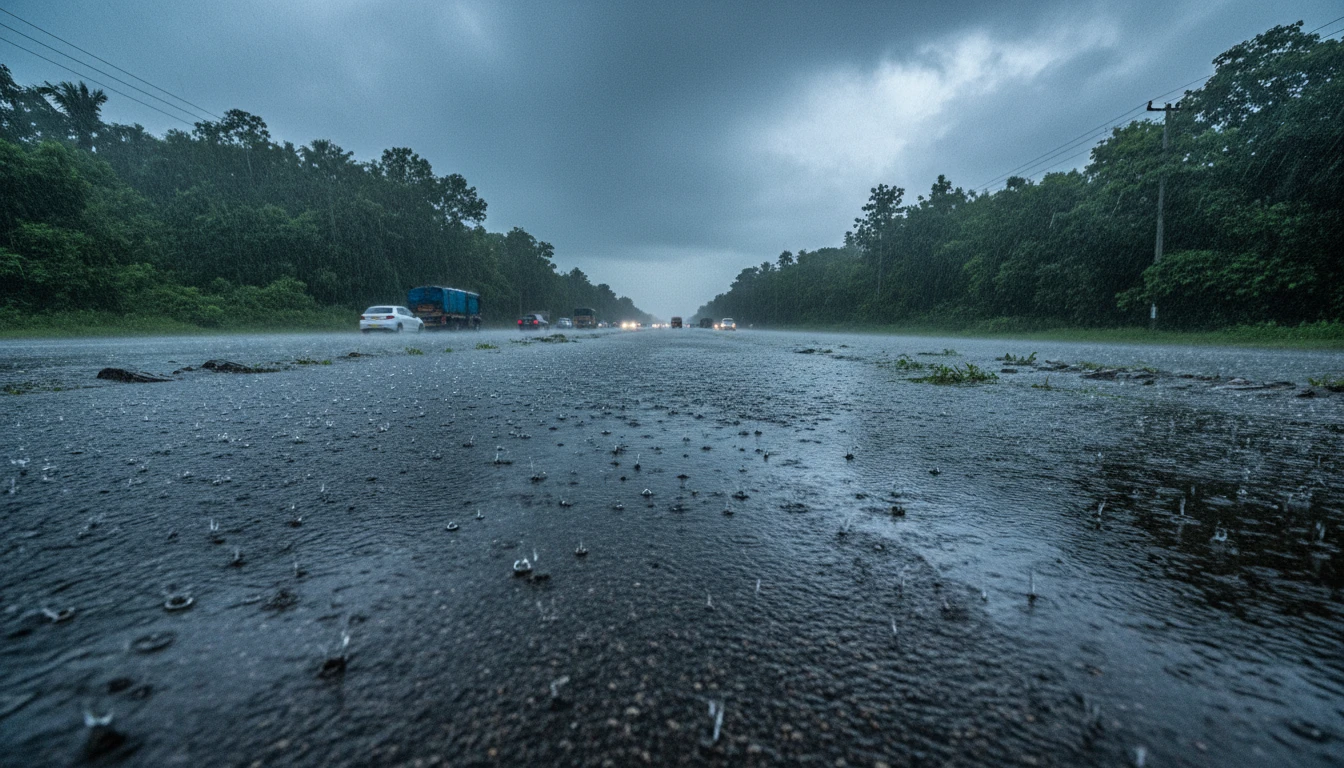
Driving in the rain requires a change in mindset. The first and most important rule is to slow down. Wet roads dramatically increase your vehicle’s braking distance, sometimes by more than double. Maintain a safe following distance of at least five to six seconds from the vehicle in front, giving you more time to react to sudden stops. Always drive with your low-beam headlights on, even during the day, to improve your visibility to others. Avoid using high beams in heavy rain, as the light reflects off the raindrops and can reduce visibility for you and oncoming drivers. Brake and steer gently, avoiding sudden manoeuvres that could lead to a loss of control on slick surfaces.
The Danger of Waterlogging: When to Turn Back
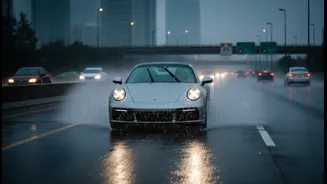
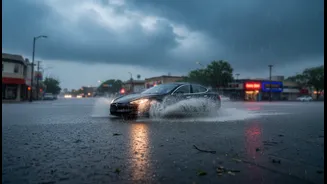
One of the biggest monsoon hazards, especially in cities, is waterlogged streets. The golden rule is: if you cannot see the road surface or judge the depth of the water, do not attempt to drive through it. Floodwater can conceal deep potholes, open drains, and other debris. As a general guideline, never enter water that is higher than the bottom of your car's doors or bumper. If your car stalls in water, do not try to restart the engine. This can cause 'hydrostatic lock,' where water enters the engine's combustion chamber, leading to catastrophic and expensive damage. Instead, turn off the ignition and, if it is safe to do so, abandon the vehicle for higher ground.
Two-Wheeler Safety: Extra Caution for Riders
Riding a motorcycle or scooter in the rain requires extreme caution. Reduced grip and visibility make two-wheelers particularly vulnerable. Ensure your tyres have adequate tread, and check that your brakes are responsive, as wet brakes are less effective. Wear a helmet with a clear, clean visor; consider using an anti-fog insert for better visibility. Waterproof and high-visibility clothing is essential not just for comfort, but to ensure other drivers can see you. Be extra vigilant about road surfaces. Avoid painted lines, manhole covers, and oily patches, which become extremely slippery when wet. Maintain a greater distance from other vehicles and be wary of their blind spots, as a car's visibility is also compromised.
Special Care for Hill Travel
Monsoon transforms the hills into a lush paradise, but it also increases the risk of landslides and unpredictable weather. Before planning a trip to a hilly region, check the weather forecast and any local advisories from authorities, as some areas may be closed to tourists for safety. Stick to major roads and avoid taking unknown shortcuts, which may be unpaved or damaged. Drive slowly, use your horn on blind curves, and be prepared for fog, which can drastically reduce visibility. It’s also wise to avoid travelling after dark. Landslides and falling rocks are more common during heavy rains, so always be alert and prepared to turn back if conditions seem unsafe.
Pack an Emergency Kit
Whether you are on a long road trip or just your daily commute, a monsoon emergency kit can be a lifesaver. Your kit should include a fully charged power bank for your phone, a torch, a basic first-aid kit with antiseptic and bandages, and some drinking water and dry snacks. It is also a good idea to keep important documents in a waterproof bag. Sturdy footwear with good grip is a must, as you may need to walk on slippery surfaces. A rope for towing and a reflective warning triangle are also valuable additions for any car owner during this season.