


What Are the Delta Aquariids?
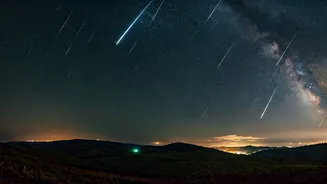
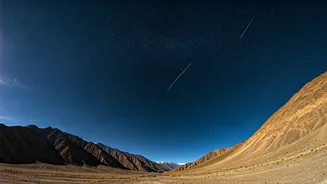
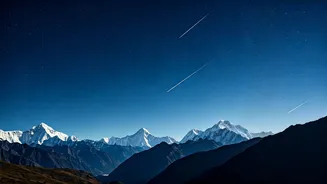
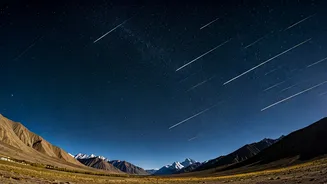
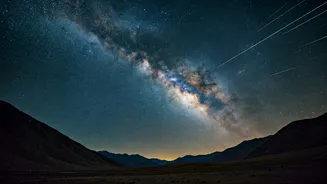
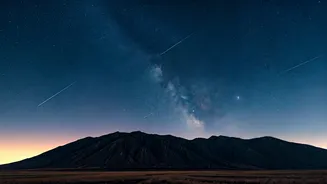
The Delta Aquariids are a stream of space debris left behind by Comet 96P/Machholz. Each year, from mid-July to late August, Earth passes through this trail of cosmic dust. As these tiny particles, many no bigger than a grain of sand, enter our atmosphere
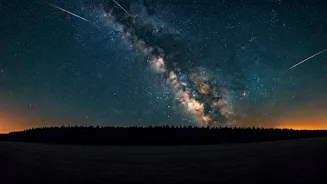
at high speeds, they burn up and create the streaks of light we call meteors or shooting stars. The shower gets its name because the meteors appear to radiate from a point near the star Delta Aquarii, located in the constellation Aquarius. Unlike some other famous showers, the Delta Aquariids are known for a long, steady performance rather than a single, dramatic burst, offering a patient observer a consistent show over several nights.
The 2026 Challenge: A Bright Moon
For any meteor shower, the single biggest factor determining visibility is the phase of the moon. In 2026, the Delta Aquariids are expected to reach their peak activity on the night of July 30. Unfortunately, this coincides with a full moon on July 29, meaning a brilliant, near-full waning gibbous moon will illuminate the sky for most of the night. This bright moonlight acts like natural light pollution, washing out all but the very brightest meteors and significantly reducing the number you'll be able to see. While dedicated sky-watchers might still catch a few fireballs, the peak night will be challenging for casual viewing.
Your Best Viewing Window This Year
Given the bright moon during the peak, the best strategy for 2026 is to watch the shower in the week leading up to it. The ideal time to look is from around July 21 to July 28. During this period, the moon will be in its first quarter or waxing gibbous phase, meaning it will set earlier in the night, leaving the post-midnight hours dark and perfect for stargazing. The best time to head out is between 2 AM and dawn. Find a comfortable spot, let your eyes adjust to the darkness for at least 20 minutes, and look towards the southern sky. While the hourly rate of meteors might be slightly lower than the absolute peak, the dark, moonless conditions will offer a much better chance of seeing the show.
The High-Altitude Advantage
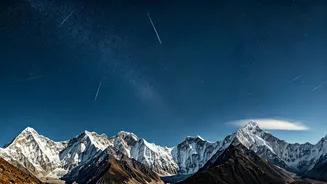
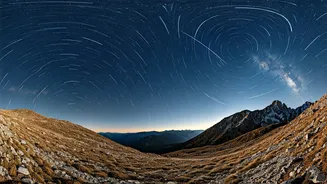
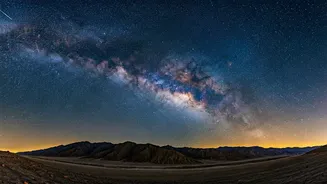
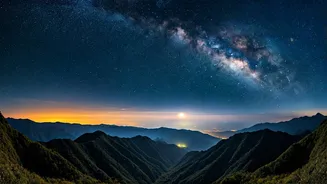
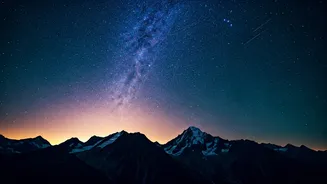
The headline is no accident: heading for the hills is the single best thing you can do to improve your stargazing experience. At high altitudes, the air is thinner and contains less dust, moisture, and atmospheric turbulence. This stable, transparent air allows the faint light from stars and meteors to reach your eyes with minimal distortion. Furthermore, getting to a high-altitude location often means getting far away from the light pollution of cities and towns, which can obscure even the brightest celestial events. In the mountains, the sky is not just clearer; it is fundamentally darker, allowing you to see more stars and, consequently, more meteors.
Prime Stargazing Spots in India
India is blessed with some of the world's most spectacular high-altitude landscapes, perfect for astronomy. The Himalayan region is unparalleled. Locations like Hanle in Ladakh, home to India's first official Dark Sky Reserve, offer some of the clearest skies on the planet. Similarly, the remote, high-altitude desert of Spiti Valley in Himachal Pradesh and the areas around Pangong Lake and Nubra Valley in Ladakh provide breathtakingly dark and stable conditions for observing meteor showers. For those in other parts of the country, hill stations in the Western Ghats or locations like Pachmarhi in Madhya Pradesh can also provide good viewing opportunities, provided you can find a spot away from local town lights.
Your Stargazing Checklist
A little preparation goes a long way in making your meteor-watching night enjoyable. First and foremost, dress in warm layers. Even in summer, high-altitude nights can get surprisingly cold. Bring a comfortable reclining chair or a thick blanket so you can lie back and look up without straining your neck. While meteors are best seen with the naked eye, a pair of binoculars can be fun for exploring the star-filled sky between meteors. Pack some snacks and a warm drink. Crucially, use a red-light torch instead of a regular white flashlight; red light doesn't spoil your night vision, which can take up to 30 minutes to fully adapt to the dark.