






What Just Happened?
On Wednesday, October 21, the Commission for Air Quality Management (CAQM) officially implemented Stage 1 of the Graded Response Action Plan, or GRAP, across the entire NCR. This decision was made after Delhi’s Air Quality Index (AQI) jumped from a 'moderate'
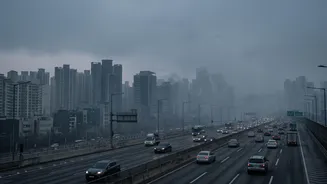
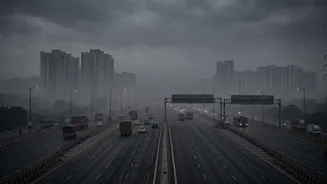
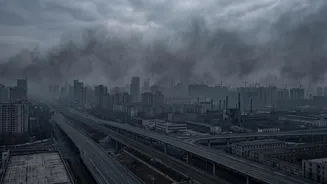
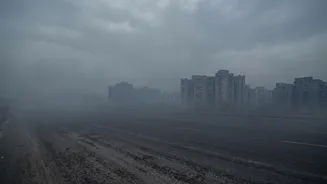
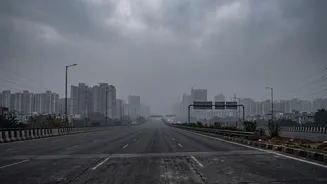
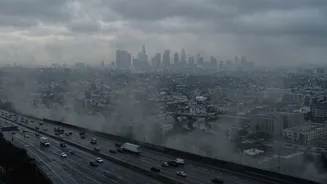
179 on Tuesday to a 'poor' 244 by Wednesday afternoon. Forecasts from the India Meteorological Department (IMD) predict that the air quality is likely to remain in the 'poor' category in the coming days, making these pre-emptive measures necessary. By Thursday morning, the AQI in some parts of the city had already crossed the 300 mark, entering the 'very poor' category.
What is GRAP?
Think of GRAP as an emergency rulebook for fighting pollution. It’s a set of progressively stricter measures that are automatically triggered based on the AQI. Notified in 2017 following a Supreme Court order, the plan is designed to be pre-emptive, ensuring that action is taken before the air becomes severely toxic, rather than after. There are four stages in total, each corresponding to a different level of air quality: Stage 1 for 'Poor' (AQI 201-300), Stage 2 for 'Very Poor' (AQI 301-400), Stage 3 for 'Severe' (AQI 401-450), and Stage 4 for 'Severe Plus' (AQI above 450). As the situation worsens, the measures from the previous stages remain in effect alongside the new, stricter ones.
Stage 1 Restrictions You Need to Know
Stage 1 primarily focuses on curbing known sources of dust and particulate matter. For residents and businesses, this means a few key changes. The use of coal and firewood in tandoors at hotels, restaurants, and other open eateries is now banned. The use of diesel generator sets is also restricted, allowed only for emergency and essential services as specified by the authorities. Furthermore, agencies have been directed to intensify dust control measures. This includes mechanical sweeping and regular water sprinkling on roads, as well as enforcing strict dust mitigation rules at all construction and demolition sites. There will also be a crackdown on open burning of garbage and intensified checks on polluting vehicles to ensure they have valid Pollution Under Control (PUC) certificates.
Why Now? The Annual Pollution Cycle
The timing of this alert is no surprise to residents of the NCR. The dip in air quality coincides with the end of the monsoon season and the onset of cooler, calmer weather. These meteorological conditions trap pollutants closer to the ground, preventing them from dispersing. The recent conclusion of Dussehra festivities, which involved the bursting of firecrackers, also contributed to the spike in pollution levels. This period often marks the beginning of the annual pollution season, which is further exacerbated by factors like farm fires in neighbouring states and increased local emissions from traffic and heating as winter approaches.
How to Protect Yourself and Your Family
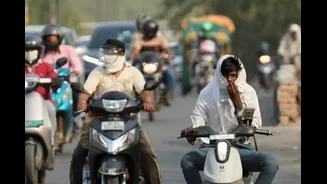
While the government implements these large-scale measures, individuals can also take steps to mitigate the health impacts of poor air quality. Doctors advise that people with respiratory conditions, the elderly, and children should be particularly cautious. It's wise to limit strenuous outdoor activities, especially during the early morning and evening when pollution levels are often at their highest. Wearing a high-quality N95 or FFP2 mask when outdoors can provide a significant degree of protection. At home, using air purifiers can help maintain healthier indoor air. Pay attention to your body; symptoms like unusual coughing, chest tightness, or shortness of breath warrant medical attention.