






Safer Plates: Navigating Monsoon Meals
The rainy season can weaken our digestive fire, or 'agni', as per Ayurveda. [6] This makes it crucial to choose foods that are light, freshly prepared, and easy to digest. Heavy, oily, and spicy foods can lead to bloating and indigestion. [3, 28] Opting
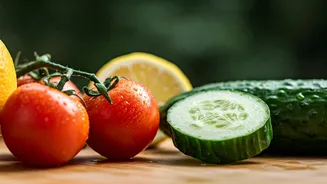
for warm, cooked meals over raw ones is a wise choice, as raw foods, especially salads, can harbor germs. [6, 18] Steaming or boiling vegetables is a safer alternative to eating them raw. [18]
Be Cautious with Greens and Street Food
Leafy green vegetables like spinach and methi can be risky during the monsoon. The dampness makes them a perfect home for dirt and germs, which can be hard to wash away completely. [4, 19] Similarly, the allure of street food like pakoras and chaat is strong, but it carries a high risk of contamination from unsafe water and unhygienic preparation. [3, 10, 23] If you must indulge, choose vendors who cook the food fresh and hot in front of you, and avoid raw chutneys or anything made with tap water. [10, 27]
Embrace Immunity-Boosting Spices
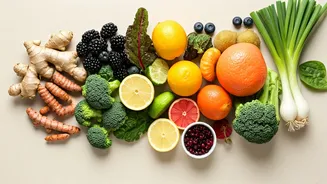
Indian kitchens are full of spices that have medicinal properties. Incorporating ingredients like turmeric (haldi), ginger (adrak), garlic (lehsun), black pepper (kali mirch), and cumin (jeera) into your daily meals can significantly boost your immunity. [6, 7, 25] Turmeric is a natural antibiotic, while ginger and garlic are known for their anti-inflammatory and antibacterial properties, helping your body fight off infections that are common during this season. [7, 19]
Handle Produce & Meats with Care
Monsoon is the breeding season for many fish, so it's often recommended to opt for chicken and mutton instead. [3] If you do eat seafood, ensure it is extremely fresh and cooked thoroughly. [3, 28] All fruits and vegetables should be washed thoroughly under running water before consumption. [16, 17] It's best to peel fruits before eating and avoid pre-cut fruits sold by street vendors, as they can be easily contaminated. [4, 16] Buying smaller batches of fresh vegetables more frequently is better than stocking up. [16]
Smarter Sips: What to Drink This Monsoon
Staying hydrated is just as important during the monsoon as it is in summer, but your choice of beverage matters. [9] The primary rule is to drink only boiled or filtered water, as contaminated water is the main source of diseases like cholera, typhoid, and jaundice. [5, 8, 13] Avoid carbonated drinks and ice-chilled beverages, as they can slow down digestion and make you susceptible to throat infections. [19, 28]
Warm Up with Herbal Teas and Soups
A warm cup of herbal tea is both comforting and healthy. Teas infused with ginger, tulsi (holy basil), mint, or spices like cinnamon and cardamom can help boost immunity, improve digestion, and provide relief from colds and coughs. [6, 20] Warm soups are another excellent option, providing nourishment while being gentle on the digestive system. [7, 17] Traditional drinks like 'kadha' or turmeric milk ('haldi doodh') are also highly recommended for their infection-fighting properties. [25, 26]
Rethink Your Dairy and Juice Intake
While dairy is a key part of many Indian diets, it's wise to be cautious. High humidity can cause dairy products to spoil faster. Opt for pasteurised milk and freshly prepared yogurt or buttermilk ('chaas'). [28] Buttermilk, in particular, is a great probiotic drink that aids digestion. [21, 22] Avoid juices from roadside vendors, which may be made with unsafe water or contaminated ice. [23, 28] If you want juice, it's safest to prepare it at home with thoroughly washed fruits.