



Why The Monsoon Is Magical
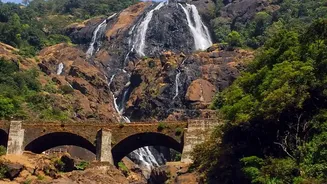
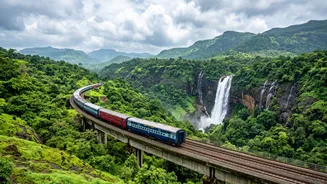
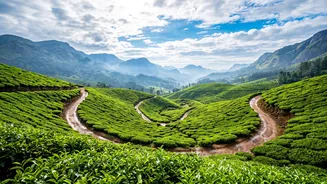
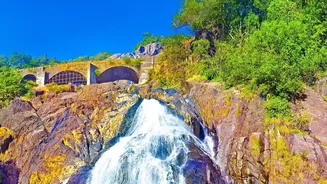
While many destinations quiet down during the rains, Chikmagalur comes alive. The monsoon, typically from June to September, transforms the entire region into a vibrant green paradise. Waterfalls that are mere trickles in summer become roaring cascades,
coffee plantations shimmer with a fresh coat of green, and the hills of the Western Ghats play a constant game of hide-and-seek with the clouds. This season also means fewer crowds and more peaceful moments, allowing you to connect with nature at a slower, more deliberate pace. For photographers and nature lovers, the dramatic, misty landscapes offer a visual feast unlike any other time of year.
Crafting the Perfect Monsoon Route
A successful rain-soaked drive is all about embracing the journey, not just rushing between points. The roads around Mullayanagiri, Baba Budangiri, and Kemmanagundi form a popular circuit, offering some of the most dramatic scenery. However, be prepared for shifting conditions; what was a clear road in the morning might be shrouded in thick fog by the afternoon. A great approach is to plan for two major stops a day, leaving room for spontaneous pauses to admire a surprise roadside waterfall or a valley view that suddenly appears through the mist. Consider making a local homestay or a resort near Kemmanagundi your base, allowing you to make flexible daily plans based on the weather.
Must-See Sights in the Rain
Certain sights are at their absolute best during the monsoon. Waterfalls are the main attraction, with Jhari Falls (also known as Buttermilk Falls) and Hebbe Falls being the stars of the show. Reaching them often involves a thrilling jeep ride through forested tracks, which adds to the adventure. The drive to Mullayanagiri, Karnataka’s highest peak, is an experience in itself, with winding roads that climb into the clouds. Even if the peak itself is lost in fog, the journey is breathtaking. Don’t miss Hirekolale Lake, a man-made reservoir that looks especially serene with misty hills as its backdrop, offering a calmer alternative to the more adventurous spots.
Preparing Your Vehicle and Yourself
Driving on winding ghat roads during a downpour demands respect and preparation. Before you leave, ensure your car is ready. Check that your tyres have adequate tread for good grip on slippery surfaces, that your brakes are responsive, and that your windscreen wipers are in excellent condition. Visibility can drop to near-zero in seconds, so functional wipers are non-negotiable. Pack a lightweight rain jacket and shoes with good grip. It’s also wise to carry a waterproof bag for your electronics, along with some dry snacks and water in the car. An early start is always recommended to avoid driving in low light or heavy evening fog.
Essential Safety on Winding Roads
Once on the road, safety is paramount. Reduce your speed and maintain a greater distance from the vehicle ahead, as braking takes longer on wet roads. Avoid sudden acceleration or braking to prevent skids. One of the most important rules is to never overtake on a hairpin bend or a blind curve. Use your headlights even during the day to ensure you are visible to other drivers. If the rain becomes too heavy and visibility is severely compromised, it’s safer to pull over at a safe spot and wait for the worst of the downpour to pass. Always check local conditions before heading out, as heavy rains can sometimes lead to temporary road closures.
Where to Stay and What to Sip
To fully immerse yourself in the monsoon experience, opt for a homestay or cottage nestled within a coffee estate. Waking up to the sight of clouds drifting over the plantations from your window is an unforgettable part of the trip. Many of these stays offer warm, home-cooked Malnad cuisine, which is perfect for a cool, rainy evening. And, of course, no trip to India's coffee heartland is complete without sampling the local brew. Visiting a coffee museum or taking a plantation tour can offer a fascinating insight into the journey from bean to cup.