


More Than a Recipe, A Guideline
In many Indian kitchens, recipes are treated less like rigid instructions and more like friendly advice. The real measure of a home cook is their 'andaaz'—an intuitive understanding of proportion and flavour—and their ability to improvise. This philosophy
is the heart of why certain dishes have not just survived but thrived for generations. It is a culinary tradition built on resourcefulness, where what is available dictates the meal. This approach transforms a simple recipe into a template, one that can be altered based on season, region, or what’s left in the pantry, without losing its essential character. This adaptability is not a compromise; it’s a form of creative intelligence that makes the food dynamic and deeply personal.
The Humble, Versatile Dal
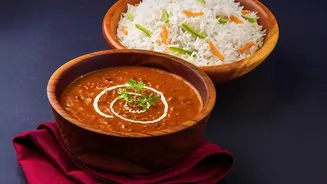
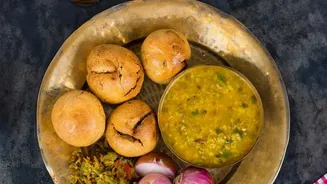
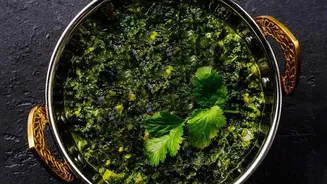
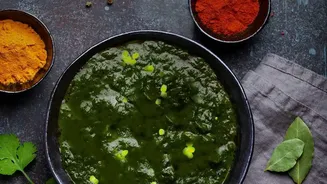
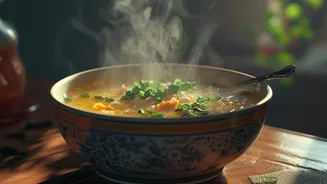
There is no better example of this flexibility than dal. At its core, dal is a simple stew of lentils, water, turmeric, and salt. This basic structure, however, is a canvas for infinite variation. The choice of lentil itself—from toor and moong to masoor and urad—completely changes the texture and flavour. Then comes the 'tadka' or tempering, a final flourish of spices sizzled in hot ghee or oil. A North Indian tadka might feature cumin and asafoetida, while a South Indian version could use mustard seeds and curry leaves. Vegetables like spinach, tomatoes, or bottle gourd are often added for extra nutrition. From the rich and creamy Dal Makhani of Punjab to the lighter, tangier 'paruppu' of the South, dal tells a story of place and preference, all while remaining unmistakably itself.
Khichdi: A Dish for All Seasons
Similarly, khichdi, a one-pot meal of rice and lentils, is a masterclass in adaptability. Its history stretches back millennia, mentioned in ancient texts as a nourishing and easily digestible meal. In its simplest form, it is comfort food for the unwell. But with a few additions, it transforms completely. In Gujarat, it might be made with bajra (pearl millet) instead of rice during winter. Bengali Bhoger Khichuri, prepared for religious festivals, is rich with roasted moong dal, gobindobhog rice, and seasonal vegetables. In Hyderabad, a meaty Keema Khichdi is a popular breakfast. The variations are endless, reflecting local grains, spices, and traditions, proving that this humble dish can be whatever you need it to be—a simple comfort, a festive celebration, or a wholesome meal.
The Genius of 'Jugaad' in the Kitchen
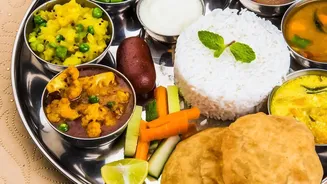
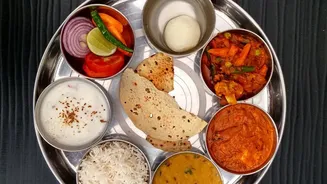
This principle of flexibility extends to almost every corner of Indian home cooking, embodying the spirit of 'jugaad'—a term for frugal, clever innovation. Consider the 'sabzi', or everyday vegetable preparations. There is no fixed recipe. The main vegetable changes with the season, from cauliflower and peas in the winter to gourds and beans in the summer. If a particular spice is missing, a substitute is found. Leftover dal from last night might become the stuffing for this morning's parathas. This resourcefulness isn't just about avoiding waste; it's a creative process that ensures meals are always fresh, seasonal, and interesting. It is a testament to the ingenuity of generations of cooks who knew how to make something delicious with whatever they had on hand.
A Living Culinary Heritage
The long life of these dishes is a direct result of their built-in flexibility. They have endured because they were never meant to be static. Each region, community, and even family has adapted these core recipes, adding their own unique touch. This process of constant, subtle evolution is what keeps the cuisine alive and relevant. The food has absorbed influences from trade, migration, and different ruling dynasties over centuries, incorporating new ingredients and techniques without losing its soul. A dish that can be made simply with two ingredients or elaborately with twenty is a dish that is designed to last. This adaptability is India’s culinary superpower, turning everyday meals into a living history.