






As India prepares for its historic Gaganyaan human spaceflight mission, a unique challenge is being tackled on the ground: what will the astronauts eat? Creating a menu for space is a complex blend of science, nutrition, and a dash of home comfort.
The Zero-Gravity Dining Challenge
Eating
in space isn't as simple as packing a lunchbox. In a zero-gravity environment, everything floats. Crumbs from a chapati or biscuit could drift into sensitive equipment, posing a serious risk. Liquids don't pour; they form floating globules. This is why space food must be carefully designed to be low-fragmentation. Mysuru-based Defence Food Research Laboratory (DFRL), a lab under the Defence Research and Development Organisation (DRDO), has been tasked with creating this specialized menu. They use techniques like adding binders to keep food intact and developing special packaging for both solids and liquids to ensure safe consumption hundreds of kilometres above Earth.
A Taste of Home in the Cosmos
While nutrition is paramount, so is morale. For astronauts on a demanding mission far from home, familiar food can be a significant psychological comfort. Recognizing this, the DFRL has curated a menu that reads like a culinary tour of India. Items like idli-sambar, upma, vegetable biryani, chicken korma, aloo paratha, and moong dal halwa are all being specially prepared. Even staples like mango pickle are on the list. This approach ensures that India's 'Gaganyatris' have a comforting taste of home. The menu includes around 30 to 50 dishes, covering breakfast, lunch, dinner, and snacks, with both vegetarian and non-vegetarian options.
The Science of Space-Ready Meals
Turning dal makhani or chicken biryani into space-safe food requires advanced science. Most meals are thermo-stabilized or dehydrated to give them a long shelf life without refrigeration and to keep them lightweight for launch. To eat, astronauts will add water to the dehydrated food packets using a special dispenser that prevents spillage. Food warmers will also be available. The nutritional profile is meticulously planned. Each astronaut is expected to consume around 2,500 calories per day, with carefully controlled levels of protein, fat, sodium, and essential micronutrients to counteract the physiological effects of spaceflight, like muscle and bone density loss. In a recent development, ISRO has also started a program called 'Santulan' to provide personalized nutrition support to the astronauts during their training in Bengaluru.
Solving the Flavour Puzzle
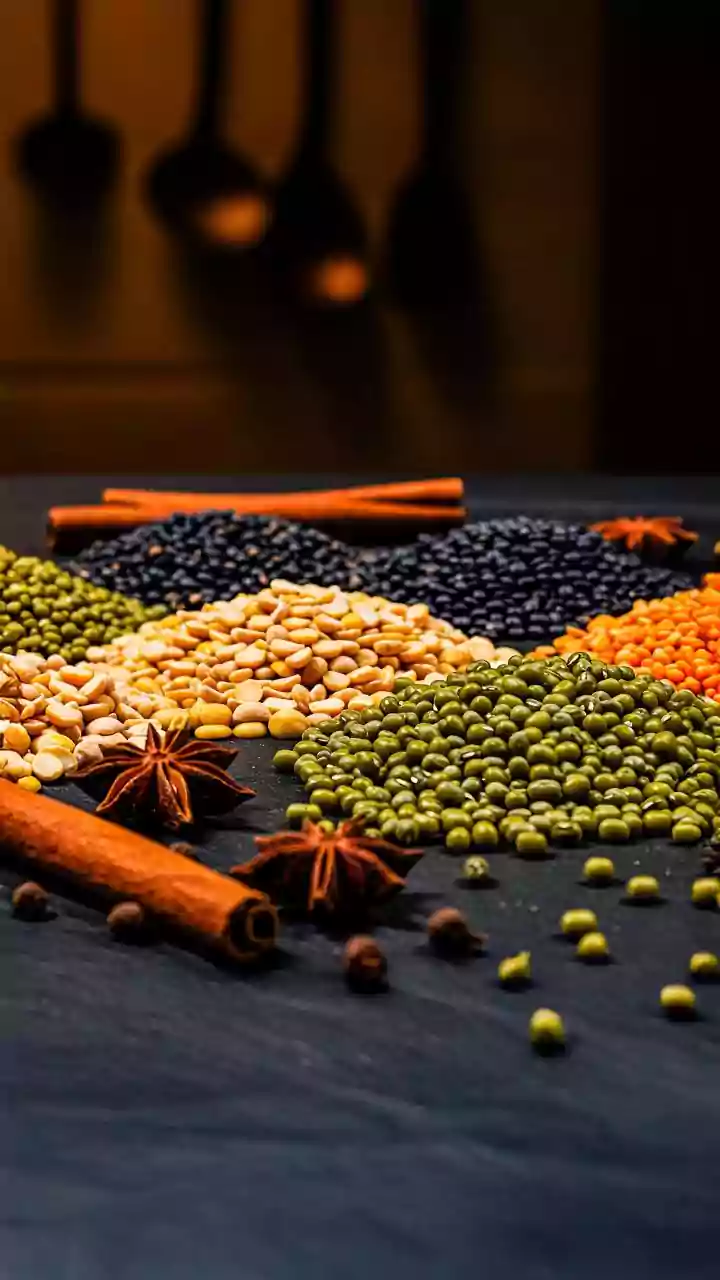
One of the strange side effects of living in microgravity is that astronauts often experience a diminished sense of taste and smell. Fluid shifts towards the head, creating a sensation similar to having a blocked nose. This can make food seem bland. To combat this, space food is often made with more intense flavours. The DFRL's menu for Gaganyaan is designed to be mildly spiced, but astronauts will also be given extra sachets of spices to adjust the taste according to their preference. This ensures the meals remain enjoyable and appetizing, which is crucial for making sure astronauts maintain their calorie intake.
From the Lab to the Launchpad
The development process is rigorous. The DFRL has been working on the menu for years, creating and testing dozens of food items. The food must not only be nutritious and safe but also approved by the astronauts themselves. Taste-testing sessions are a key part of the process. The chosen food items are packed in special lightweight pouches of 100 or 200 grams. This meticulous preparation ensures that when India's astronauts are orbiting the Earth, their meals will be a source of both physical energy and emotional connection to their home country, proving that even in the final frontier, there's nothing quite like a home-cooked meal.