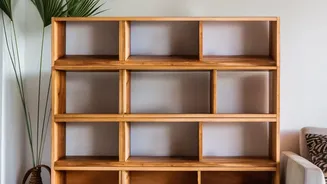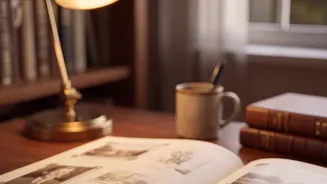


Empty bookshelves can feel daunting, presenting a blank canvas that seems to demand expensive decor. But the most beautiful, personal, and budget-friendly solution is already in your home: your memories.
More Than Decor, It’s Your Story
Before you spend a single rupee on generic decor,
take a moment to 'shop your home'. The most compelling bookshelves are those that reflect the people who live there. Framed photos of family, treasured souvenirs from travels, and even children's handmade crafts tell your unique story. This approach does more than save money; it infuses your space with personality and warmth that no store-bought object can replicate. Every item becomes a conversation starter, a small reminder of a cherished moment, turning a simple piece of furniture into a gallery of your life.
Start with a Clean Slate
To get the best results, you need a fresh perspective. The first step is always to take everything off the shelves. Wipe them down and give yourself a completely blank canvas. Now, sort your items. Create piles for books, framed photos, souvenirs, and any other decorative objects. This is also the perfect time to declutter. Be honest about what you truly love and want to display. If an object doesn't bring you joy or hold a special meaning, it doesn't earn a spot on the shelf.
Curating Your Photos and Frames
Family photos are the heart of this look. Instead of scattering them randomly, think like a curator. To create a cohesive feel, you can use frames of a similar style or colour. Alternatively, a mix of vintage and modern frames can add eclectic charm if tied together by a common element, like material or a consistent colour in the photos themselves (such as black and white prints). Vary the sizes of the frames; not every photo needs to be the same. A large statement photo can act as an anchor, while smaller frames can be grouped together or used as accents.
Weaving in Souvenirs and Mementos
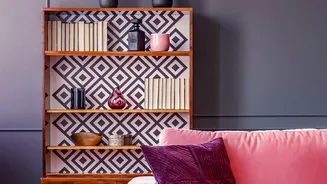
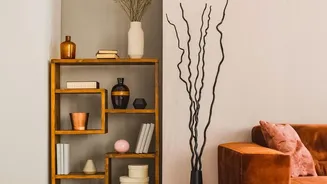
Souvenirs and mementos are what add texture and three-dimensional interest. These can be anything from a unique seashell and a hand-painted tile to a small sculpture or a vintage brass object. The key is to group these items thoughtfully. The 'rule of three' is a classic design principle for a reason: arranging objects in odd numbers is visually appealing. Place a tall vase next to a shorter, rounded object and a small, interesting piece. This variation in height and shape keeps the eye moving and makes the display feel dynamic.
The Art of Arrangement: Books and Objects
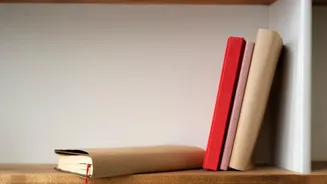
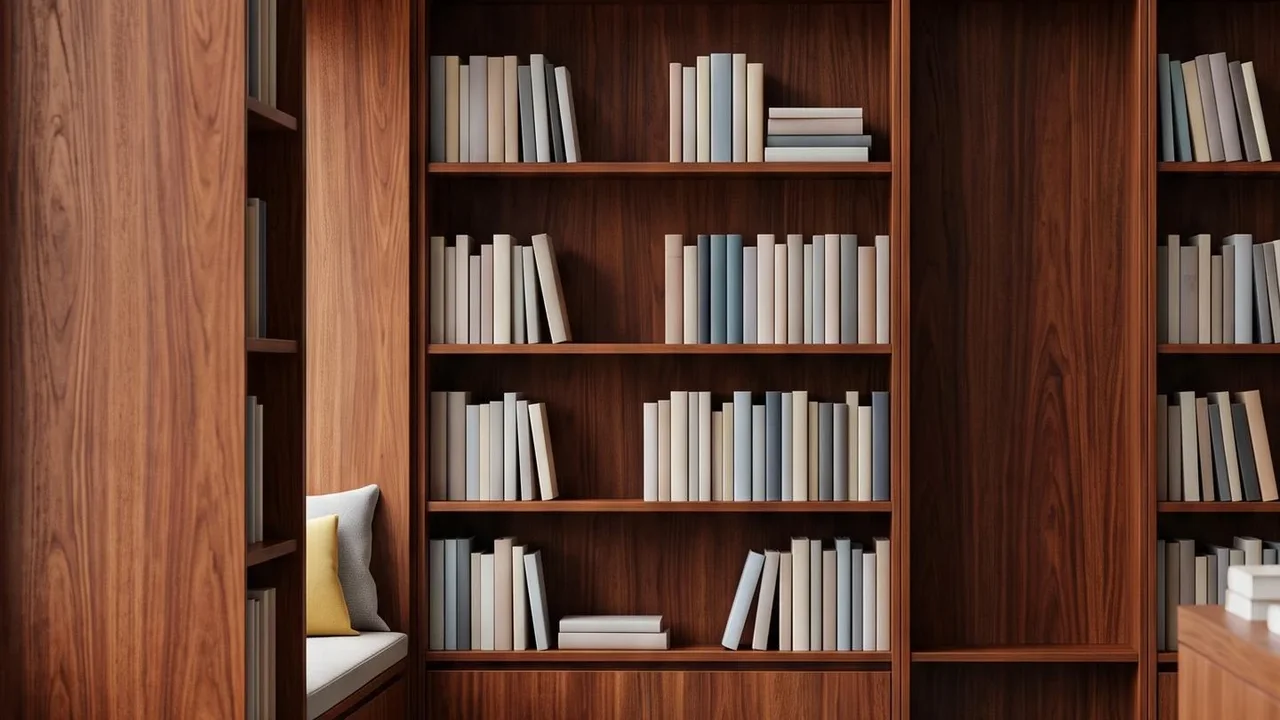
Now, let's bring back the books. Avoid lining them all up vertically like in a library. Mix it up by stacking some horizontally. A short stack of 2-3 books creates a perfect pedestal for a small framed photo or a special souvenir. When placing your items, think in terms of balance and flow. Layering is a great technique; you can place a taller, flatter item like a framed print at the back of the shelf and a smaller, more sculptural object in front of it. Stagger larger items in a zig-zag pattern across the shelves to ensure the weight is distributed visually. Most importantly, don't overcrowd. White space is crucial; it gives your treasured items room to breathe and be appreciated.