






The Predictable Problem of Monsoon Travel
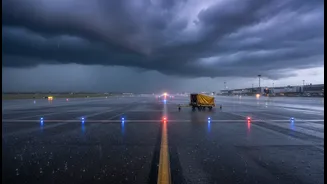
The Indian monsoon, while bringing relief from summer heat, is a challenging time for travel. Heavy rains, low visibility, and strong winds frequently lead to disruptions. Major airports, especially in Mumbai, Delhi, and Goa, see a significant increase
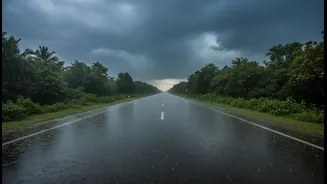
in flight delays and cancellations. Airlines regularly issue travel advisories during this period, asking passengers to expect disruptions. Beyond the airports, the situation on the ground can be just as tricky. Waterlogging can bring city traffic to a standstill, making it a challenge just to reach the airport. For those planning road trips, especially in hilly regions like Uttarakhand or parts of the North East, the risks include landslides and road closures, which can derail an entire itinerary.
Embrace Flexibility: The Backup Plan Philosophy
The idea of making backup bookings might seem like an unnecessary expense, but it's better to think of it as buying peace of mind. The goal isn't to double-book everything, but to build a flexible itinerary that can adapt to changing circumstances. This means prioritising options with low-cost or free cancellation policies. Instead of locking into a rigid plan, you create a primary plan (Plan A) and a viable, pre-researched alternative (Plan B). If monsoon mayhem strikes, you're not scrambling for last-minute, expensive solutions; you're simply switching to a plan you already have in place.
Smart Flight Booking Strategies
When booking flights for the monsoon season, the cheapest ticket is not always the best value. Many airlines now offer 'flexi' fares. While these cost slightly more upfront, they allow you to change your travel dates or even cancel the flight for a full or partial refund, often with minimal fees. Given that DGCA rules mandate a full refund or free rebooking for weather-related cancellations, a flexible ticket gives you even more power to adjust your plans proactively. Booking platforms like Cleartrip offer options that let you modify dates or switch airlines for a small fee. Consider booking direct flights to avoid the complication of missed connections, which are a common headache during this season.
Secure Your Stay with Flexible Accommodations
Just as with flights, hotel bookings should be made with flexibility in mind. Most hotel booking websites and major chains allow you to filter for properties that offer free cancellation. Pay close attention to the cancellation deadline—it can range from 24 hours before check-in to 14 days prior, especially for resorts or during peak periods. Booking a hotel with a generous 24 or 48-hour cancellation window is your best bet. For your backup plan, you don't necessarily need to make a second booking. Instead, identify and shortlist an alternative hotel in a different area or even a different, more accessible town. If your primary destination becomes unreachable due to flooding or landslides, you can quickly cancel your first booking and confirm your stay at the backup location without penalty.
The Ultimate Safety Net: Travel Insurance
Travel insurance is an essential tool for monsoon travel. However, it's crucial to read the fine print. Basic policies might not cover weather-related disruptions. Look for comprehensive plans that specifically mention coverage for trip delays, interruptions, and cancellations due to inclement weather. A good policy can reimburse you for non-refundable expenses, such as accommodation and pre-booked tours, if you're forced to cancel. It can also cover the cost of meals and a hotel stay if your flight is delayed overnight. For the insurance to be valid, you must purchase it before a weather event is officially named or forecast.
Don't Forget Ground Realities
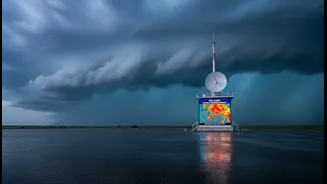
Your backup plans shouldn't stop with flights and hotels. If you're planning a road trip, research alternative routes. Keep an eye on updates from local authorities and the India Meteorological Department (IMD), which regularly issues warnings for heavy rainfall and potential hazards. For destinations known for landslides, have a 'Plan B' town in mind that is less prone to such risks. Sometimes, the smartest backup plan is to choose your destination wisely in the first place. Regions in the rain shadow, like Ladakh or parts of Rajasthan, experience minimal rainfall during the monsoon and can be excellent alternatives if your primary coastal or mountain destination faces severe weather warnings.