







The Film at the Center of the Storm
The film in question is 'Doosra', directed by Abhinay Deo. It’s not a direct biopic of Sourav Ganguly. Instead, it tells the story of a fictional young girl named Tara, who lives in a patriarchal household in Rajasthan. She finds the courage to challenge
the restrictive rules in her own life after watching Ganguly's defiant, shirt-waving celebration on the Lord's balcony following India's historic win in the 2002 NatWest Series final. The film uses this iconic cricketing moment as a catalyst for a personal story about freedom and empowerment.
Ganguly's Core Argument: A Violation of Rights
Sourav Ganguly, along with Luv Films LLP—the production house he has an agreement with for an official biopic—argued that 'Doosra' is exploiting his identity for commercial gain without permission. Their plea alleges that the film's promotional materials and narrative heavily rely on recognisable moments from Ganguly’s career, especially the 2002 NatWest victory, creating a false impression of his association with the film. This, they claim, infringes on his 'personality rights' and also jeopardises the exclusive rights Luv Films holds for his official life story, an authorised biopic reportedly titled 'Dada – The Sourav Ganguly Story' scheduled for a 2027 release.
Unpacking 'Personality Rights'
So, what exactly are personality rights? In India, this isn't a single, neatly defined law but a concept protected by courts through a combination of other legal principles. It's the right of an individual to control the commercial use of their identity, which includes their name, image, voice, signature, and other distinct characteristics. For public figures like actors and sports stars, whose persona has significant commercial value, these rights are crucial. They prevent others from using a celebrity’s fame to sell products or promote projects without consent, protecting both their financial interests and their reputation. Courts have linked this to the constitutional right to privacy and dignity.
The Filmmakers' Defence
The makers of 'Doosra' have a clear defence: their film is not a biopic. They argue that it is a fictional work inspired by a historic national event, and as such, it is protected under the freedom of speech and expression. Their lawyers told the court that the story is about a girl who draws inspiration from Ganguly, not a retelling of his life. Regarding the use of match footage from the 2002 NatWest series, they contended that they obtained the necessary license from the Board of Control for Cricket in India (BCCI) and that individual players do not own the rights to such footage.
The High Court's Decisive Ruling
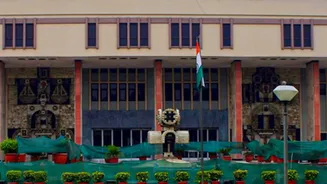
On October 22, the Delhi High Court refused to grant an interim stay on the film's release, which was scheduled for the very next day. Justice Dinesh Bhatt stated, 'I have said no stay, so the film can go on'. While the court did not give a final judgment on the entire case, the refusal to pass an emergency order to stop the release is a significant development. The judge noted that the 'balance of convenience'—a legal test weighing potential harm to both parties—favoured the filmmakers for now, allowing the release to proceed as planned.