

Understanding the Basics
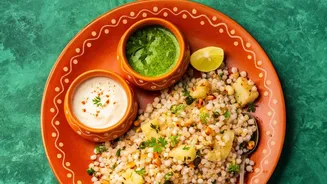
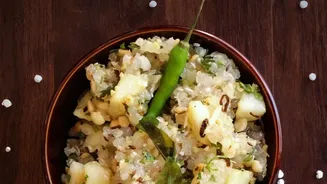
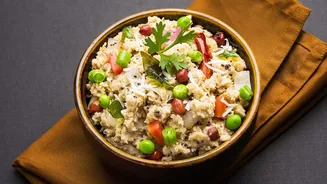
At its core, Dalia is cracked or broken wheat. It's a whole grain that undergoes minimal processing, which helps it retain its bran and germ—the most nutritious parts of the wheat kernel. It's often cooked into a savory porridge, upma, or even a form
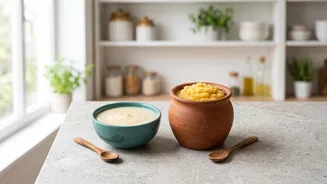
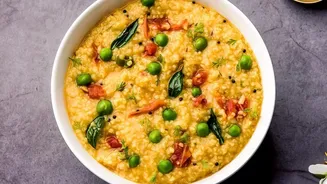
of khichdi itself. On the other hand, traditional Khichdi is a versatile one-pot dish made by cooking rice and lentils (usually moong dal) together. This combination of a cereal and a pulse is what makes it a complete protein source, a rarity in vegetarian meals. While both are considered wholesome, their primary ingredients—whole wheat versus rice and lentils—set the stage for their distinct nutritional profiles.
The Carbohydrate Breakdown
Carbohydrates are the body's primary energy source, but not all carbs are created equal. Dalia is rich in complex carbohydrates. Per 100 grams of raw dalia, you get about 72-75 grams of carbs. These complex carbs are digested slowly, providing a sustained release of energy and preventing sudden spikes in blood sugar. This is reflected in its low glycemic index (GI), which is typically around 41-55.
Khichdi's carbohydrate content comes mainly from rice. A standard bowl of plain moong dal khichdi (around 200g) contains approximately 36-43 grams of carbohydrates. The presence of dal and its fibre helps to moderate the blood sugar response compared to eating plain white rice. A basic moong dal khichdi has a low-to-moderate GI, often cited around 48. However, the final carb load and GI can vary significantly depending on the rice-to-dal ratio and the type of rice used.
A Head-to-Head on Fibre
This is where Dalia truly shines. As a whole wheat product, it is exceptionally high in dietary fibre. Raw dalia contains about 10-12 grams of fibre per 100 grams. Even when cooked, a 100g serving offers a significant 4.5g of fibre. This high fibre content is crucial for digestive health, promoting regular bowel movements and feeding beneficial gut bacteria. It also plays a massive role in satiety, helping you feel full for longer, which is a great advantage for weight management.
Khichdi's fibre content is more modest. A 200g bowl of plain moong dal khichdi provides around 3-4 grams of dietary fibre. The fibre primarily comes from the lentils. While this is still a beneficial amount that aids digestion and slows glucose absorption, it is considerably less than what Dalia offers. You can, however, easily boost the fibre in khichdi by adding plenty of vegetables or using brown rice or millets instead of white rice.
Beyond Carbs and Fibre
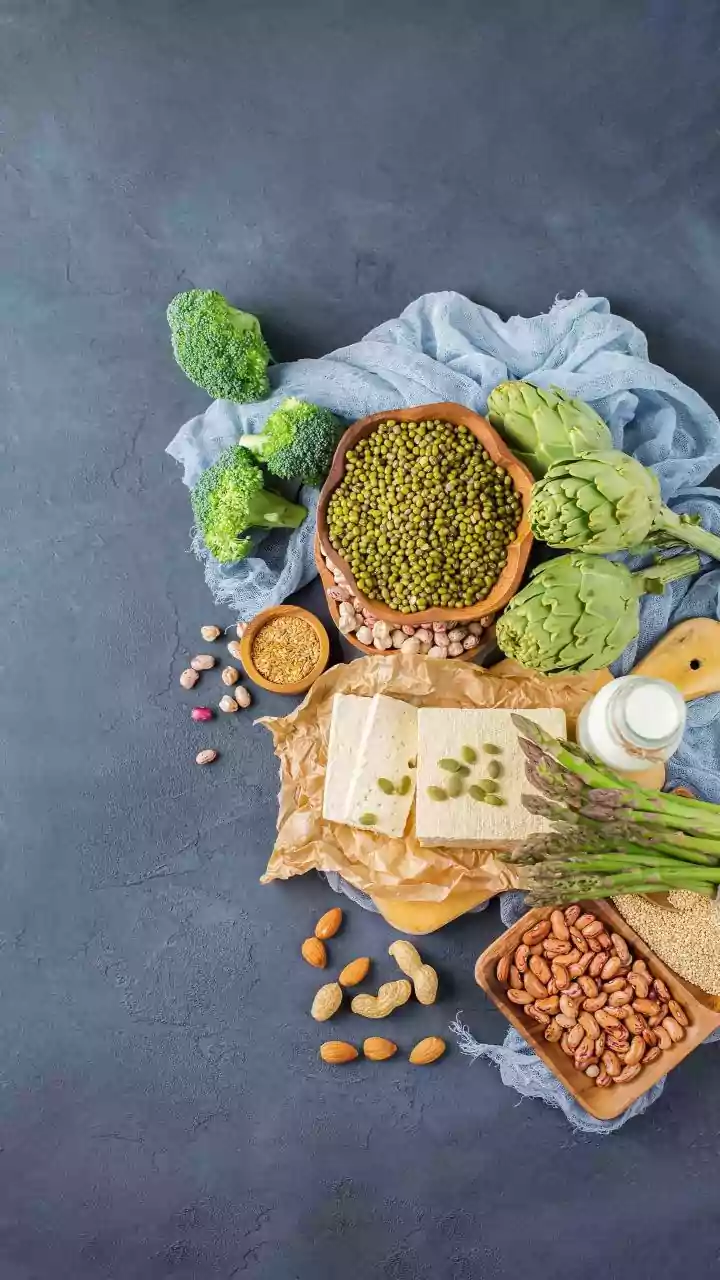
While the headline focuses on fibre and carbs, the protein content is another key differentiator. Thanks to the combination of rice and lentils, Khichdi provides a complete protein profile, containing all essential amino acids. A 200g bowl of moong dal khichdi offers about 8-9 grams of protein. Dalia, being a wheat product, also has a good amount of protein, with about 12 grams per 100g raw. This translates to around 7.2g in a 200g cooked bowl. Both are also good sources of essential minerals like iron and magnesium.
Which One Should You Choose?
The 'better' choice depends entirely on your personal health objectives. For weight management and blood sugar control, Dalia is often the superior option due to its higher fibre content and lower glycemic index, which promote satiety and a slower release of sugar. Its fibre-rich nature makes it excellent for digestive health.
Khichdi, on the other hand, is famously easy to digest, making it the ultimate comfort food, especially during illness or for those with sensitive stomachs. The complete protein profile makes it a fantastic meal for recovery and muscle maintenance. It's also a great vehicle for adding vegetables, which can increase its overall nutritional value.
Preparation Makes All the Difference
It's important to remember that the nutritional value of both Dalia and Khichdi can change dramatically based on how they are prepared. A simple, plain version of either is a healthy meal. However, adding generous amounts of ghee or oil can significantly increase the calorie and fat content. Loading up your khichdi or dalia with vegetables is a simple way to boost its vitamin and fibre content without adding many calories. Similarly, making a sweet dalia with lots of sugar or jaggery will turn a healthy breakfast into a high-sugar meal. The healthiest version is always the one that is cooked simply with minimal fat and plenty of vegetables.