


The Shifting September Calendar
Traditionally, September marks the graceful retreat of the southwest monsoon, leaving behind lush landscapes and stable, pleasant weather perfect for tourism. However, this pattern is no longer a guarantee. While the overall monsoon in 2026 has been forecast
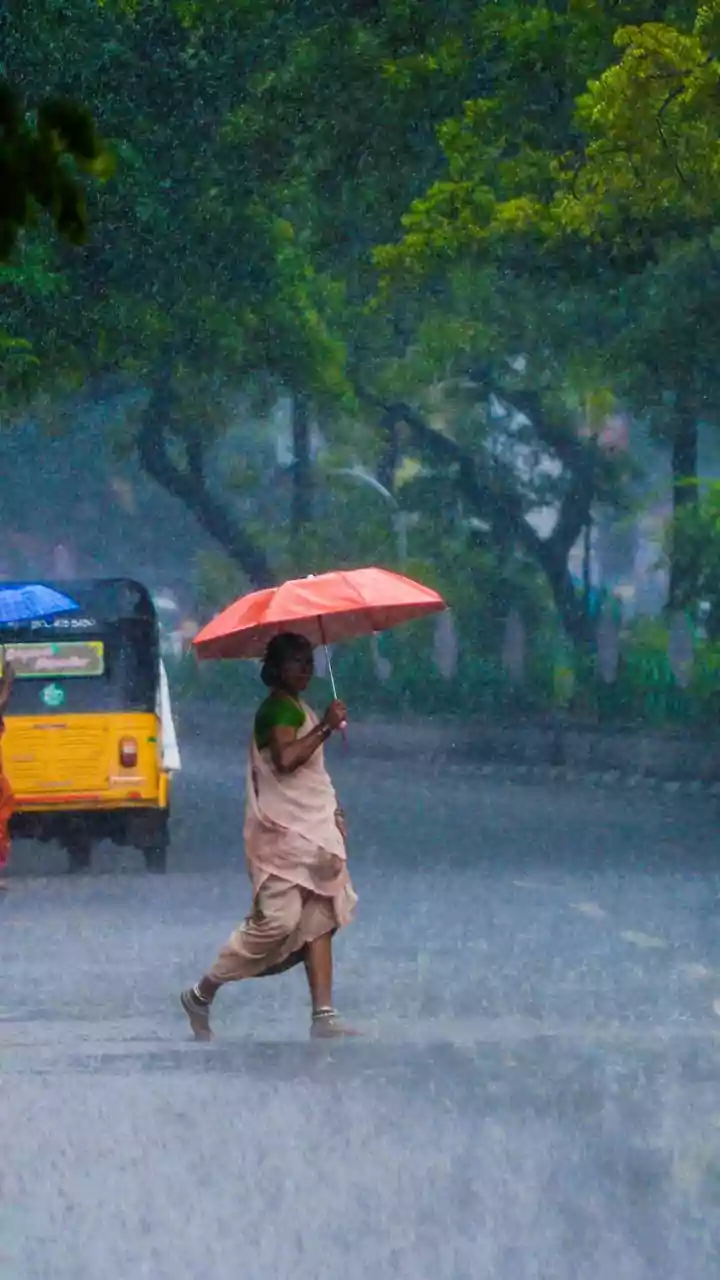
as below-normal, this doesn't mean dry days for everyone. Instead, weather is becoming more erratic. Recent forecasts for early September 2026 show active spells of heavy rainfall continuing across Himalayan states like Himachal Pradesh and Uttarakhand. This can mean intense, localized downpours even within a generally drier season. The official monsoon withdrawal, which historically starts around September 17, is now a period to watch closely, as lingering moisture can keep slopes saturated and vulnerable. This shift from a predictable tapering-off to sudden, heavy spells means travellers can no longer assume the first week of September is automatically safe.
Accessibility and Landslide Risks
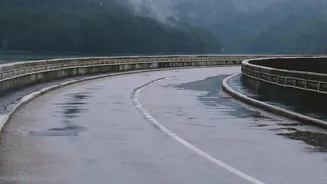
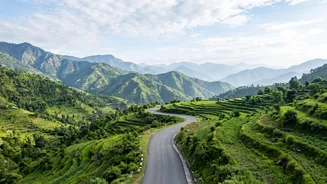
The primary danger for hill station travel during this transitional period is not the rain itself, but its effect on the landscape. Saturated soil from two months of monsoon rain makes hillsides unstable, and a sudden September downpour can be the final trigger for landslides and flash floods. As of early September 2026, dozens of roads were reported blocked in Himachal Pradesh due to landslides, particularly in the Kullu district. Similar incidents were reported in Uttarakhand, tragically leading to fatalities in Almora. Key highways like NH-5 to Shimla and NH-21 towards Manali are known to have vulnerable stretches prone to rockfalls and blockades. These disruptions don't just delay travel; they can cut off access to entire regions for days. Experts advise that even if a destination town like Shimla or Manali is safe, the journey itself is the biggest gamble. Unregulated construction and over-tourism have further destabilized the fragile Himalayan geology, increasing these risks.
Rethinking Your Activities
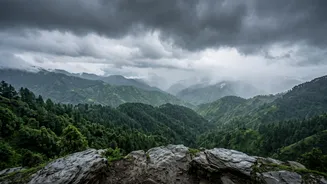
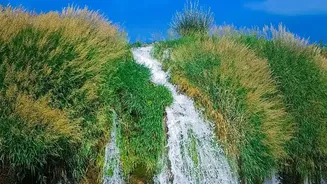
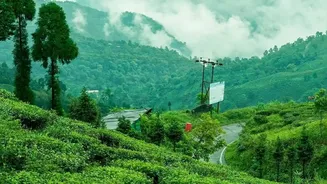
The unpredictable weather also demands a rethink of your planned activities. High-altitude treks, remote camping, and river rafting become significantly riskier. A sudden downpour can swell streams and rivers with little warning, making riverside trails and water activities hazardous. In early September, it’s wiser to opt for low-altitude day hikes on well-marked paths, explore the cultural sights within a town, or enjoy the misty, green vistas from the safety of your hotel. Avoid getting close to waterfalls or streams, as water levels can rise unexpectedly. The India Meteorological Department (IMD) has specifically advised that tourism and recreational activities should be regulated in areas affected by heavy rain warnings. This is a time for enjoying the ambience of the hills—the fresh air, local food, and foggy landscapes—rather than pushing for adrenaline-fueled adventures.
How to Plan for a Safer Trip
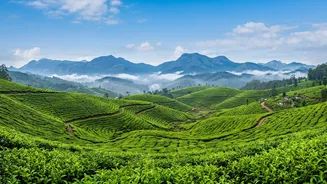
If you are set on a September hill vacation, caution and flexibility are your best friends. The latter half of the month, particularly after September 20, is generally considered a safer window as the monsoon has typically withdrawn and the ground has had time to stabilize. Before you leave, check the latest IMD forecasts and local district administration advisories for your destination. Travel strictly during daylight hours and build buffer days into your itinerary to account for potential road closures. Pack for a range of conditions, including rain gear and warm layers. When booking, opt for flexible travel tickets and accommodations that allow for last-minute changes. Instead of a packed, multi-destination tour, consider staying in one accessible, well-established town to minimize road travel. For those seeking mountain views without the high risk, rain-shadow regions like Spiti or destinations in the south like Coorg or Kodaikanal, which experience a different monsoon pattern, might be better alternatives.