
Art and Heritage on the Leh-Kargil Route
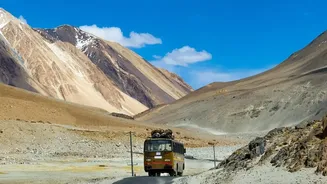
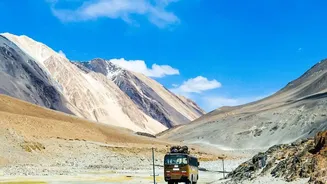
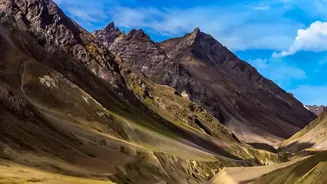
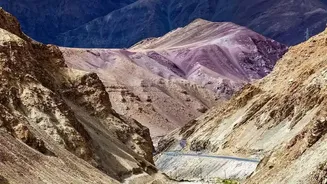
This season, the well-trodden path through Ladakh is being reimagined as more than just a journey through breathtaking landscapes. A unique cultural initiative has turned the 200-plus kilometre corridor between Leh and Kargil into a sprawling open-air
gallery. This isn't a single, signposted trail but a curated experience spread across several culturally significant locations, encouraging a slower, more immersive form of travel. The initiative, highlighted by events like the sā Ladakh Biennale, billed as the world's highest regenerative art biennale, blends contemporary art with the region's ancient traditions and environmental consciousness. Travellers can now punctuate their journey with stops at installations, film screenings, and community-led projects that transform the landscape itself into a gallery.
Discovering the Trail's Key Locations
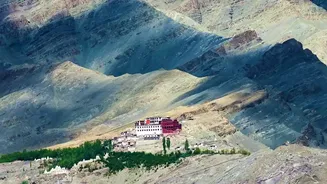
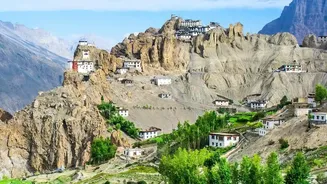
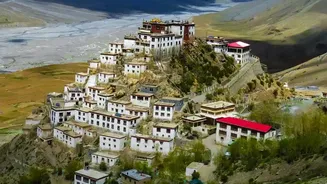
The experience unfolds across eight key locations, each chosen for its cultural and historical significance. The route includes well-known towns like Leh and Kargil, along with historically rich sites such as Lamayuru, Basgo, Likir, Nurla, Mulbekh, and Hunderman. These aren't just points on a map; they are destinations where art installations engage directly with the environment, local folklore, and fragile ecosystems. For instance, against the backdrop of ancient monasteries and remote villages, artists from Ladakh and around the world have created works using local, biodegradable, and recycled materials. This approach invites visitors to see these places not just as scenic stops, but as living hubs of culture and creativity.
A Focus on Sustainable and Responsible Travel
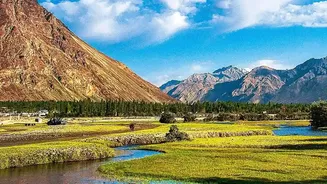
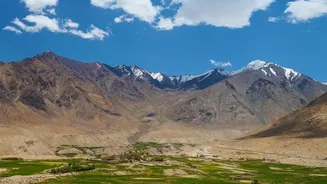
This new cultural emphasis moves beyond conventional tourism, which often focuses on a handful of famous lakes and passes. By spreading attractions along the Leh-Kargil highway, the initiative encourages visitors to explore lesser-known areas, thereby distributing the economic benefits of tourism more widely. The core philosophy is 'regenerative', aiming to create art that sparks dialogue about sustainability and the deep connection between Ladakhi communities and their land. For travellers, this means an opportunity to engage more deeply with the region, understanding its environmental challenges and rich heritage simultaneously. It’s a shift from merely sightseeing to participating in a cultural conversation set against the Himalayan canvas.
How to Experience This Cultural Journey
Experiencing this art and heritage trail is designed to be accessible. While specific events like the biennale run for a limited time—this year's edition is from August 1 to 10—the spirit of cultural exploration is available all season. The best time to visit Ladakh is generally between May and September when the weather is pleasant and road access is reliable. The trail's locations are situated along the main highway, making them reachable for those travelling by road between Leh and Kargil. While entry to view the installations is often free, some events may require prior registration. This cultural route is an invitation to slow down, explore the villages that dot the landscape, visit the ancient monasteries like Likir and Lamayuru, and appreciate the seamless blend of nature and human creativity.