






It’s a frustratingly common story: you buy a beautiful bunch of fresh herbs for one recipe, and days later, find a sad, slimy mess in your fridge. But it doesn’t have to be this way. With the right technique, you can stop wasting money.
Know Your Herb Type
The secret to long-lasting
herbs is knowing what kind you have. They fall into two main categories: tender herbs and hardy (or woody) herbs. Tender herbs like parsley, cilantro, dill, and mint have soft, flexible stems and delicate leaves. Hardy herbs like rosemary, thyme, oregano, and sage have firm, woody stems and more durable leaves. Each type requires a different storage method to combat its primary enemy. For tender herbs, that enemy is dehydration. For hardy herbs, it’s excess moisture.
Tender Herbs: The Flower Bouquet Method
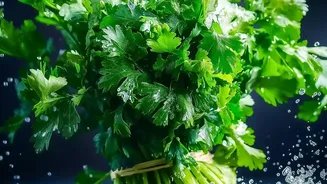
Treat soft, leafy herbs like a bouquet of fresh flowers. For parsley, cilantro, and mint, trim about a half-inch from the bottom of the stems. Place the bunch upright in a jar or glass with an inch or two of cool water, making sure no leaves are below the water line. Loosely cover the top with a plastic bag—like a little greenhouse—and store it in the refrigerator. Change the water every couple of days to keep it fresh. Stored this way, parsley and cilantro can easily last for two weeks or more, far longer than the few days they survive in their original plastic packaging.
The Exception: How to Handle Basil
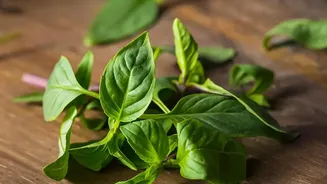
Basil is the notoriously fussy member of the tender herb family and must never be refrigerated. The cold damages its leaves, turning them black and slimy almost overnight. Instead, give basil the same bouquet treatment as other soft herbs, but leave it on your kitchen counter at room temperature and out of direct sunlight. Trim the stems, place it in a jar of water, and change the water every few days. Many find that loosely covering the basil with a plastic bag helps it stay fresh even longer, sometimes for up to two weeks.
Hardy Herbs: The Damp Towel Wrap
Woody herbs like rosemary, thyme, and sage have a different need: controlled humidity. Too much direct moisture causes rot, but completely dry air will make them brittle. The best method is to wrap the sprigs loosely in a slightly damp paper towel. The towel should not be soaking wet; just moist enough to create a humid environment. Place the wrapped bundle inside a zip-top bag or an airtight container and store it in your refrigerator's crisper drawer. This technique prevents the herbs from drying out while protecting them from excess condensation, keeping them fresh for two to three weeks.
The Long Game : Freezing for Future Flavor
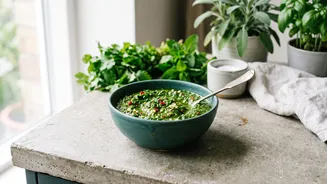
When you have a bumper crop or just can't use a whole bunch in time, freezing is your best friend. For both tender and hardy herbs, one of the best methods is to finely chop them, pack them into an ice cube tray, and cover them with olive oil or water before freezing. The oil helps protect the herbs from freezer burn and preserves their color and flavor. Once solid, transfer the cubes to a labeled freezer bag. These little flavor bombs are perfect for tossing directly into soups, stews, and sauces, adding an instant boost of summer freshness to a winter meal. Frozen this way, herbs can last for months.