




The Expressway Effect
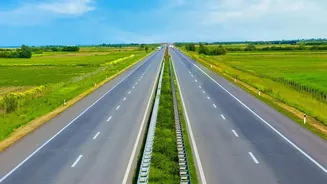
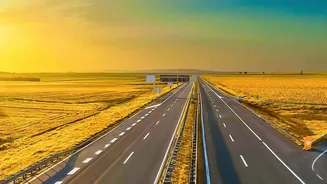
The most visible transformation is happening on the roads. The Delhi-Mumbai Expressway, a 1,386-kilometre engineering marvel, is nearing completion, with significant sections in Gujarat already operational. This eight-lane, access-controlled corridor
is poised to slash the travel time between Delhi and Mumbai from 24 hours to just 12, fundamentally altering logistics and supply chains across western India. For Gujarat, the impact is immediate, with the Vadodara-Mumbai stretch enhancing connectivity to key industrial hubs. Complementing this is the Ahmedabad-Dholera Expressway, a 109-km artery designed to connect Ahmedabad with the ambitious Dholera Special Investment Region (SIR) in under an hour. These projects, alongside numerous upgrades to National Highways like NH-48 and NH-53, are eliminating bottlenecks and creating a seamless, high-speed road network.
The High-Speed Rail Revolution
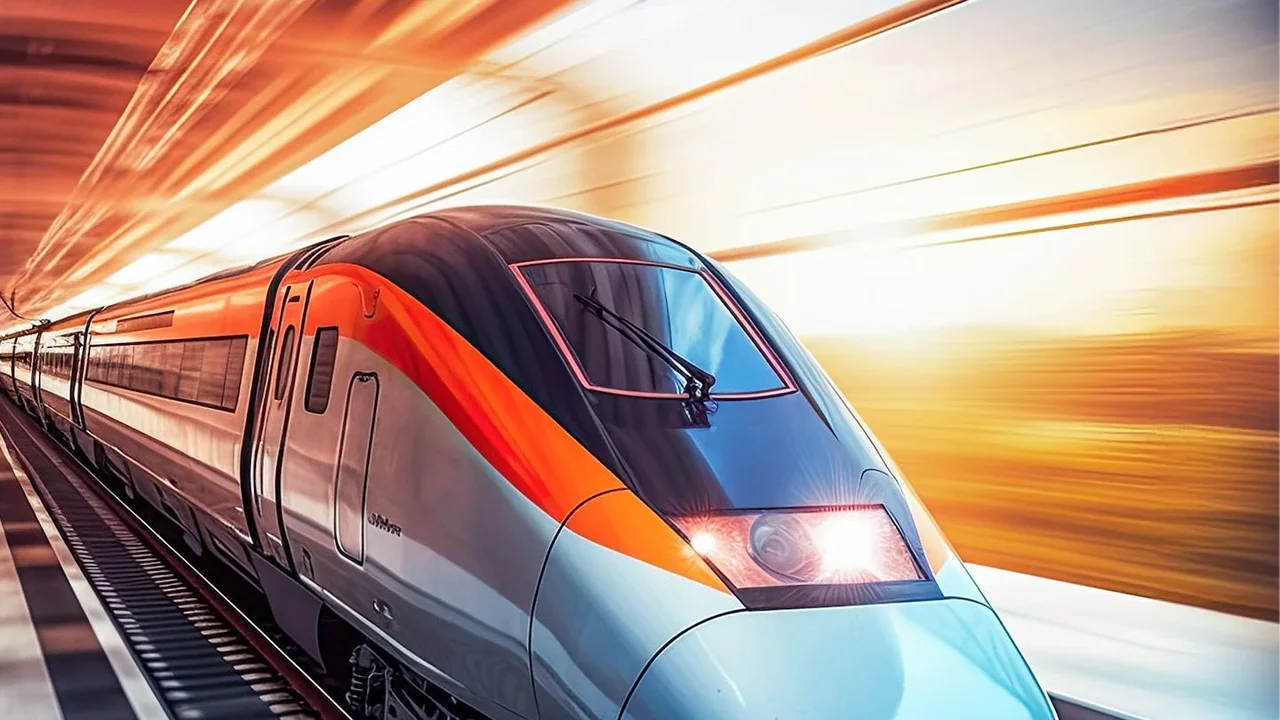
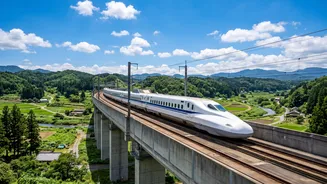
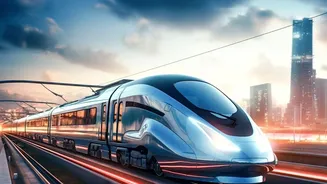
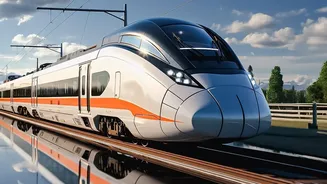
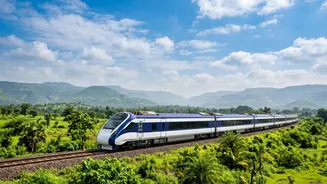
Parallel to the road network, India's first high-speed rail corridor is taking shape between Mumbai and Ahmedabad. The 'bullet train' project, officially the Mumbai-Ahmedabad High-Speed Rail (MAHSR), promises to cover the 508-kilometre distance in approximately two hours. As of September 2026, construction is advancing rapidly, with viaducts and piers erected over large portions of the route. The first test coach is ready, and the initial section between Surat and Bilimora is targeted for commissioning in 2027. The project involves 12 stations, including key Gujarat cities like Surat, Vadodara, and Anand, each designed to be a modern multimodal hub. Beyond just passenger travel, the MAHSR is seen as a technology demonstrator, setting the standard for future high-speed rail expansion across India.
Connecting Economic Hubs
This new infrastructure isn't just about connecting cities; it's about creating an integrated economic ecosystem. The expressways and high-speed rail are strategically aligned with the Western Dedicated Freight Corridor (WDFC), large sections of which were recently inaugurated. The WDFC provides direct, faster freight movement between industrial centres in North India and the major ports of Gujarat and Maharashtra, significantly reducing logistics costs. This network is crucial for emerging economic zones like Dholera SIR—a massive greenfield industrial city focused on semiconductors and advanced manufacturing—and Gujarat International Finance Tec-City (GIFT City), a global financial hub. New railway lines are also planned to connect Dholera with Sarkhej and Bhavnagar, further embedding it into the state's transport grid.
The Bigger Picture: A State in Motion
The combined effect of these projects is a comprehensive reshaping of Gujarat's economic geography. By improving the speed and efficiency of moving goods and people, the state is strengthening its position as India's premier industrial and logistics hub. Studies have shown a strong positive correlation between road construction and economic growth in the state. This new connectivity is expected to spur development in real estate, tourism, and manufacturing, while creating thousands of jobs. Recently, the Prime Minister launched and laid foundation stones for projects worth over ₹35,000 crore in Gujarat, encompassing rail, road, and urban development, signalling a continued focus on this infrastructural push. The goal is clear: to build a future-ready framework that supports sustained economic growth and solidifies Gujarat's role as a critical engine of the national economy.