


A Renaissance of Flavour
Modern food production often prioritises consistency and shelf stability over everything else. Traditional preservation, however, is where true flavour alchemy happens. Techniques like fermentation, curing, and smoking don't just stop spoilage; they create
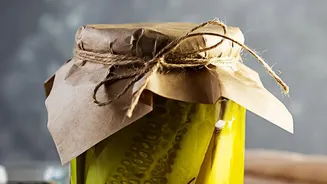
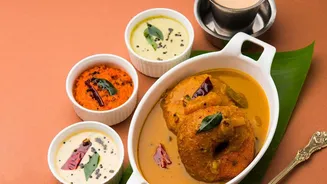
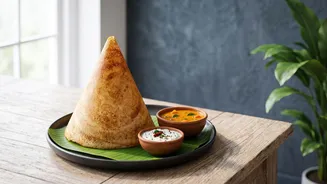
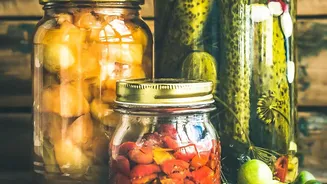
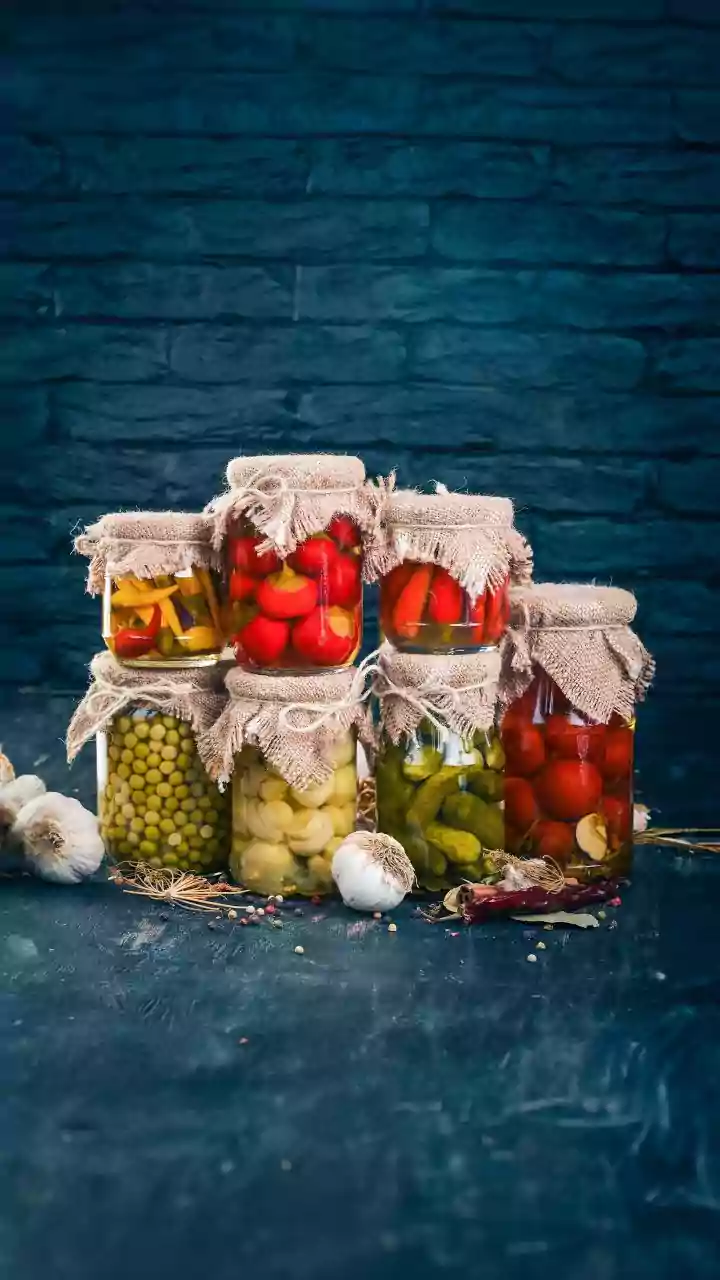
entirely new, complex taste profiles. Fermentation, for example, encourages beneficial bacteria to convert sugars into lactic acid, producing the tangy, savoury depth found in everything from classic pickles and kimchi to sourdough bread. This process develops umami and other complex notes that are impossible to replicate artificially, offering a culinary richness that many modern foods lack. Smoking, one of the oldest methods, infuses meats and fish with aromatic compounds from wood, while drying concentrates the natural sweetness and essence of fruits and vegetables.
The Gut Health Connection
One of the most compelling reasons for the revival of these ancient arts is the growing understanding of gut health. Fermented foods, in particular, are natural sources of probiotics—live beneficial bacteria that support a healthy digestive system. Consuming foods rich in these microorganisms, like homemade yoghurt, kefir, or lacto-fermented vegetables, can help balance your gut microbiome, which is linked to improved digestion, a stronger immune system, and even better mental health. Unlike many store-bought, pasteurised versions that use vinegar to create a sour taste, traditional lacto-fermentation cultivates living cultures, delivering both flavour and a powerful wellness boost. This process can also increase the bioavailability of certain vitamins and minerals in food, making them easier for your body to absorb.
A Sustainable Pantry
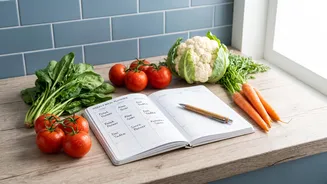
At its core, food preservation is an act of profound sustainability. It allows us to capture the peak of seasonal abundance, reducing our reliance on produce transported across the globe and cutting down on food waste. When you have a bumper crop of tomatoes from your garden or find a great deal on berries at the local market, canning, freezing, or drying lets you enjoy that bounty for months. This not only saves money but also significantly shrinks your carbon footprint. By preserving food at home, you also reduce packaging waste from store-bought goods. It’s a practical skill that fosters a more mindful relationship with our food, encouraging us to make the most of what we have and prevent edible food from ending up in landfills.
Reclaiming a Connection
In a world of convenience, the act of preserving food provides a tangible and rewarding connection to what we eat. There's a deep satisfaction in stocking a pantry with jars of jam, pickles, or sauces you've made yourself. These techniques are also a vital link to our cultural heritage. For centuries, communities across India and the world have passed down unique methods of pickling, drying, and fermenting that reflect their specific climate and culture. Engaging in these practices—whether it's making 'achaar' like your grandmother did or learning to bake sourdough—is a way of keeping those traditions alive. It empowers us with a degree of food security and self-sufficiency, reminding us that we can provide for ourselves with simple, time-honoured skills.