





We Eat With Our Eyes First
Before you even pick up a spoon, your brain has already decided that the mug cake looks delicious. This isn't just a feeling; it's a psychological phenomenon. When we see food that is well-presented, with vibrant colors and appealing textures, our brain anticipates
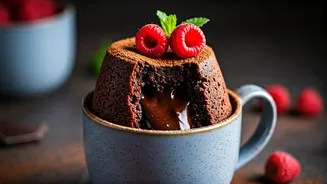
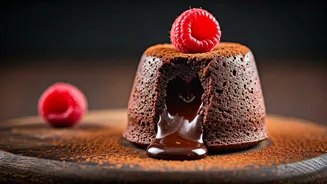
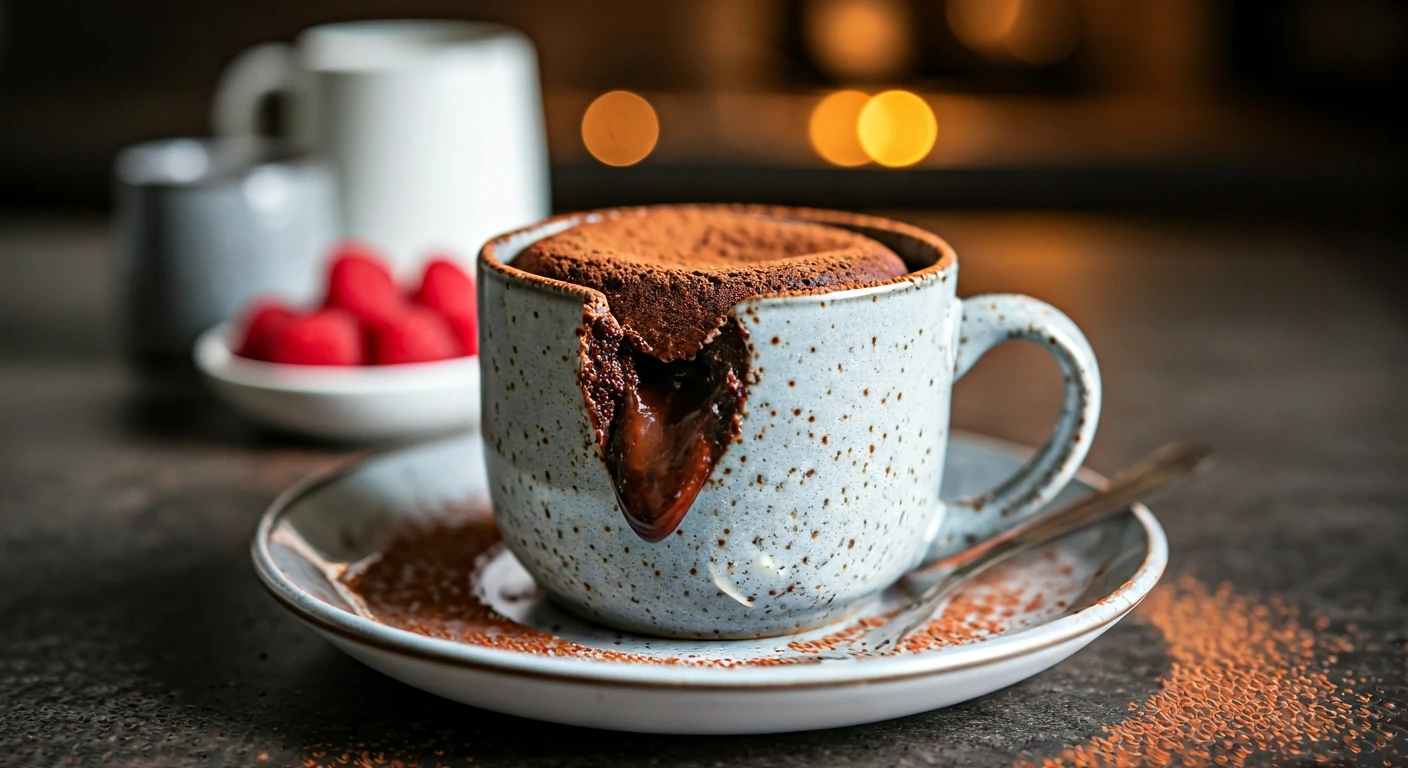
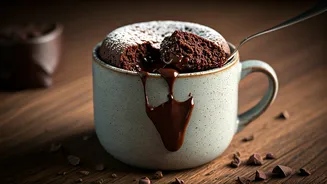
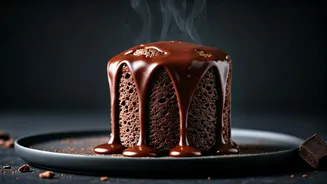
a positive sensory experience. The sight of a glistening, molten chocolate center triggers our brain's reward centers, signaling care, quality, and indulgence. The deep brown of the cocoa, the contrast with a dollop of white cream, and the steam rising from the mug all work together to create an expectation of flavor and comfort, making the first bite taste even better. A perfectly executed mug cake, with its almost soufflé-like rise and subsequent collapse, creates a visual story of decadent satisfaction.
The Science of the Molten Core
That gooey, lava-like center is the star of the show, and achieving it is a matter of physics and chemistry. The secret lies in heat diffusion. When you microwave the cake, heat travels from the outside in. The goal is to cook the outer edges to a soft, cakey structure while leaving the center just heated enough to be warm and liquid, but not fully cooked. This is often achieved by underbaking the cake intentionally. The flour and egg in the batter create a protein and starch web that solidifies with heat, but by halting the cooking process at the right moment—usually between 70 and 90 seconds—you stop the heat from fully setting the center, resulting in that iconic molten core.
What Makes it 'Double' Chocolate?
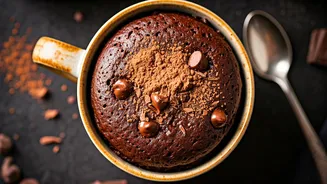
The term "double chocolate" isn't just a marketing gimmick; it refers to a two-pronged approach to flavor and texture. The first layer of chocolate comes from high-quality cocoa powder mixed into the batter, which provides a deep, rich, foundational chocolate taste. The second, and arguably more visually important, layer comes from chocolate chips or chunks folded into the batter. These pieces don't fully incorporate; instead, they melt into pockets of pure, gooey chocolate. Some recipes even call for pressing a chunk of chocolate into the center of the batter before cooking to guarantee a molten heart. This combination ensures you get both a moist chocolate cake and pools of melted chocolate in every spoonful, creating a dynamic and delicious experience.
Your Five-Minute Mug Cake Blueprint
Ready to create your own masterpiece? The process is stunningly simple. In a microwave-safe mug (at least 12 ounces to prevent overflow), start by mixing your dry ingredients: 3 tablespoons of all-purpose flour, 3 tablespoons of sugar, 2 tablespoons of unsweetened cocoa powder, and ¼ teaspoon of baking powder. Stir them together thoroughly with a fork to avoid any bitter pockets of cocoa. Next, add the wet ingredients: 3 tablespoons of milk and 2 tablespoons of vegetable oil, plus a splash of vanilla extract. Oil is often preferred over butter in microwave cakes because it results in a more consistently moist and tender crumb. Mix until a smooth batter forms, but be careful not to over-mix. Finally, fold in 2 tablespoons of chocolate chips. Microwave on high for 70-90 seconds. The cake will rise dramatically and then settle. Let it cool for a minute before diving in.
Tips for a Picture-Perfect Finish
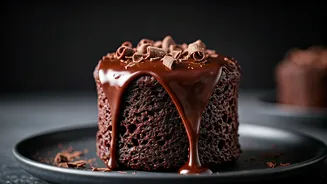
To elevate your mug cake from simply delicious to visually stunning, a few final touches go a long way. A simple dusting of powdered sugar can provide a beautiful contrast against the dark chocolate. For a more indulgent look, add a dollop of whipped cream or a small scoop of vanilla ice cream while the cake is still warm; the melting cream adds a dynamic, luscious element. Fresh berries, like a single raspberry or a few sliced strawberries, not only add a pop of color but also a touch of freshness to balance the richness. For that extra glossy, professional look, you can drizzle a little caramel or chocolate sauce over the top. These small additions enhance the visual promise of what’s to come, making the experience all the more satisfying.