




The Great Wait: What Are the Current Times?
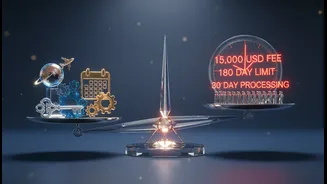
Getting a B-1/B-2 visa for tourism or business is a top priority for many Indians, but wait times for a first-time interview can be daunting. As of mid-2026, these waits vary significantly across U.S. consulates in India. For first-time applicants, wait times can range
from 100 to over 250 days. For example, cities like Mumbai and Hyderabad have recently seen waits stretching from seven to nearly ten months. In contrast, Chennai and Kolkata often report shorter queues, sometimes around four to five months. It's important to remember these are just estimates, and the U.S. Department of State constantly updates them. Student and work visas are typically prioritized and have much shorter queues. For those eligible for an interview waiver (often called 'dropbox'), the process is much faster, usually taking two to six weeks.
Why the Long Queue? Understanding the Backlog
The long wait times are a result of a perfect storm of factors. The primary driver is the immense post-pandemic demand for travel to the US. Embassies and consulates, which operated at reduced capacity during the pandemic, are still clearing the resulting backlog of applications. Compounding this is the sheer volume of applications from India, which has grown significantly in recent years. The U.S. Mission in India has ramped up its efforts to meet this demand by hiring more consular staff and holding special interview days, which has helped reduce the peak wait times seen in 2022 and 2023 from over 800 days to the current figures. However, with high demand and limited appointment slots, the system remains under pressure.
The Golden Ticket: Benefits of a US Visitor Visa
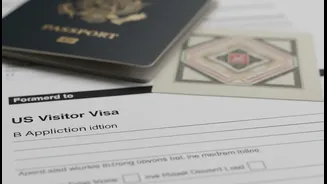
So, what does a B-1/B-2 visa allow you to do? In short, it's for temporary visits for business or pleasure. The B-1 component is for business-related activities such as attending conferences, negotiating contracts, or consulting with business associates. The B-2 part covers tourism, visiting family and friends, receiving medical treatment, or participating in social events. In most cases, Indian applicants receive a combined B-1/B-2 visa, typically valid for ten years with multiple entries. This long validity makes it a valuable document, allowing for flexible travel planning over a decade. While the visa itself is long-term, your stay in the U.S. on any single trip is not; it is determined by the Customs and Border Protection (CBP) officer at the port of entry, usually for a maximum of six months.
Know Your Limits: What the Visa Doesn't Allow
Understanding the limitations of a visitor visa is just as crucial as knowing its benefits. A B-1/B-2 visa is a non-immigrant visa, meaning you must intend to return to your home country. It strictly prohibits engaging in paid employment or work for a U.S. company. You cannot enroll in a full-time degree program at a university, as that requires a student visa. While you can explore job opportunities and attend interviews, you cannot begin working on a visitor visa. Overstaying the duration granted by the CBP officer or violating any of these terms can lead to severe consequences, including visa revocation and being barred from re-entering the United States in the future.
Navigating the System: Tips for Applicants
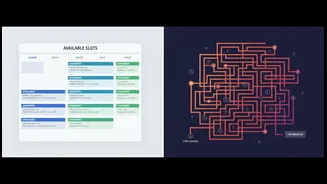
Given the long waits, planning is essential. It is highly recommended to start the visa application process well in advance of your intended travel dates—at least six to twelve months ahead. Since you can attend your interview at any U.S. consulate in India, check the wait times for all locations (New Delhi, Mumbai, Chennai, Kolkata, Hyderabad) and consider booking an appointment in a city with a shorter queue. The U.S. appointment scheduling portal is dynamic; slots open up due to cancellations, so it's worth checking back frequently. You may be able to reschedule for an earlier date, but be aware of limits on how many times you can reschedule without paying the fee again. Finally, thoroughly prepare all your documents for the interview to ensure a smooth process.