






The Slow Breakup With Sugar
For generations, refined sugar has been the undisputed king of sweetness in Indian households. It’s in our chai, our mithai, our celebratory feasts. But a significant shift is underway, driven by a new generation that is more health-conscious and digitally
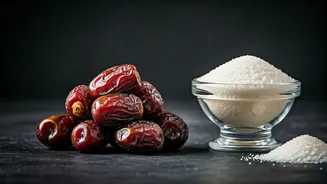
informed than ever before. This isn't an overnight divorce but a conscious uncoupling. Young urban Indians are increasingly viewing refined sugar not as a harmless treat, but as a 'white poison' linked to a host of modern lifestyle ailments, from weight gain and insulin resistance to chronic inflammation. This growing awareness, amplified by wellness influencers and a flood of health information online, has created a powerful demand for healthier, more 'natural' ways to satisfy a sweet tooth.
Enter the Humble Khajur
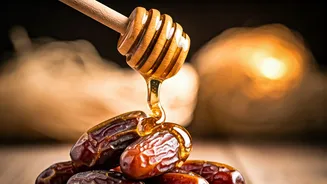
Enter the date, or khajur, an ingredient that is both deeply traditional and perfectly modern. Long used in Indian cuisine and revered in various cultures for its energy-boosting properties, the date is now being rediscovered as a premier sugar substitute. Unlike refined sugar, which offers 'empty calories' with no nutritional benefit, dates come packed with fibre, potassium, magnesium, and antioxidants. The fibre content is key; it helps slow down the absorption of sugar into the bloodstream, preventing the sharp spikes and crashes associated with processed sweets. This makes it a compelling choice for anyone looking for sustained energy rather than a quick, jittery high.
From Smoothies to Energy Balls
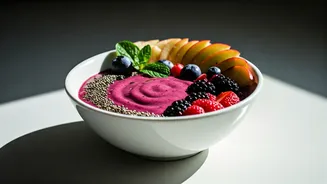
The versatility of dates is a major driver of their popularity. They are no longer just a dry fruit eaten during festivals. Today, they are the star ingredient in a new wave of healthy products. Date syrup is being drizzled over pancakes and mixed into coffee. Pitted dates are blended into smoothies to add natural sweetness and a creamy texture. Homemade 'energy balls' made from dates, nuts, and seeds have become the go-to healthy snack for the work-from-home generation. Food startups and health-conscious brands have been quick to tap into this trend, launching everything from date-sweetened granola bars to dessert mixes that proudly declare 'No Refined Sugar' on their labels.
Beyond Nutrition: A Mindset Shift
This swap is about more than just calories and nutrients; it represents a broader cultural shift towards mindful consumption. Young consumers are increasingly drawn to 'clean labels' and whole foods. They want to know where their food comes from and what’s in it. The term 'organic' is a powerful pull, suggesting a product free from pesticides and chemical processing, aligning with a desire for purity and sustainability. Choosing organic dates over a factory-produced sweetener feels like a vote for a more natural and transparent food system. It’s a small act of rebellion against the highly processed foods that have come to dominate the modern diet.
A Sweet but Sensible Swap
While dates are a nutritionally superior choice, experts caution against viewing them as a 'free pass' to indulge. They are still a significant source of natural sugars (fructose and glucose) and are calorie-dense. The key, as with any food, is moderation. Swapping a spoonful of sugar in your tea for a blended date is a positive step, but consuming large quantities of date-based desserts can still contribute to an excessive calorie intake. The real victory lies not in simply swapping one sweetener for another, but in the overall reduction of added sugars and the shift towards appreciating the subtle, complex sweetness of whole foods.