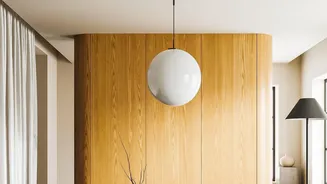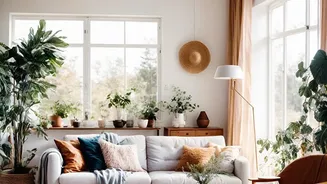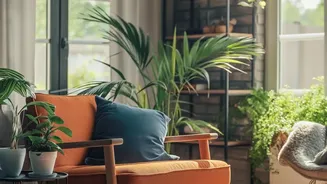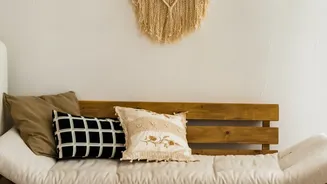




What is Slow Decorating?
Slow decorating is the thoughtful antithesis to the fast-fashion approach to interior design. Drawing inspiration from the 'slow food' movement, it champions a deliberate and sustainable way of furnishing a space. Instead of rushing to fill rooms with
trendy, mass-produced items, this philosophy encourages you to live in your home, understand its rhythms, and gradually curate pieces that you genuinely love and that will stand the test of time. It's about quality over quantity, personal stories over fleeting styles, and creating a space that evolves organically with your life.
First, Live in Your Space
One of the most common decorating mistakes is buying everything at once. The core principle of slow decorating is to observe before you act. Before committing to a large, expensive sofa or a dining set, give yourself time. Notice where the morning light falls, identify the natural gathering spots, and see which corners become drop zones for everyday clutter. Living in the space reveals its true needs, which are often different from what you initially imagined. This patience allows you to avoid costly errors, like buying a sectional that overwhelms a room or a rug that’s just slightly too small.
A Smart Timeline for Big Purchases
Furnishing a home doesn’t have to be a frantic sprint; think of it as a phased project. Spreading out your purchases over several months can be easier on your budget and lead to more intentional choices. Start with the absolute essentials: a comfortable mattress and a place to sit. From there, build outward based on function. Prioritise the most-used pieces, like a sofa for the living room or a proper dining table if you host often. These foundational items set the tone. Accent tables, statement lighting, and decorative accessories can be layered in over time, as you find pieces that truly speak to you. This gradual approach allows you to save up for higher-quality items and wait for sales cycles, which often offer the best discounts on big-ticket furniture.
The 'Forever Furniture' Litmus Test
Before making a significant investment, it's wise to treat the purchase with the same seriousness as buying a car. Ask yourself a series of critical questions. First, is the quality built to last? Look for solid wood construction and durable fabrics. Second, is it versatile? Consider if the piece could work in another room or even in a future home, as adaptability is key to sustainable design. Third, does it genuinely fit your lifestyle, not just a trend you admire? Finally, ask yourself: 'Will I still love this in five or ten years?' If you hesitate, it might be better to wait. A 'forever' piece should feel like a natural extension of your personal style, not a temporary fix.
Embrace the Evolving Home
A key mindset shift in slow decorating is letting go of the pressure for a room to be 'finished'. A home is a living entity that grows and changes as you do. The home office of today might become a nursery tomorrow, and a formal dining area might transform into a casual lounge space. By embracing this evolution, you give yourself permission to experiment and adapt. This approach fosters a deeper, more personal connection to your surroundings, creating a home filled with items that hold meaning and tell your unique story, one thoughtful layer at a time.