


The Danger of 'Wet Feet'
The single biggest threat from letting a potted plant stand in water is root rot. While the intention is good—giving the plant a constant source of moisture—the result is often disastrous. Plant roots need oxygen just as much as they need water. In healthy
soil, tiny air pockets provide this essential oxygen. When a pot sits in a saucer full of water, the soil becomes completely saturated, filling those air pockets and effectively drowning the roots. This oxygen-deprived environment is the perfect breeding ground for fungi and bacteria that cause roots to decay. The initial signs of root rot can be confusingly similar to underwatering—wilting, yellowing leaves—because the damaged roots can no longer absorb water and nutrients to send to the rest of the plant.
The Smarter Alternative: Humidity Trays
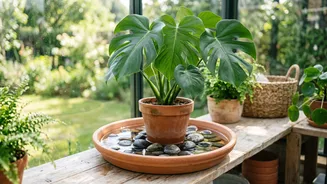
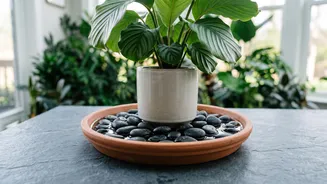
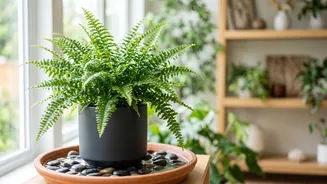
A pebble humidity tray provides moisture without waterlogging the soil. The concept is simple: a shallow tray is filled with pebbles, and water is added to a level just below the top of the stones. The plant’s pot then sits on top of the pebbles, elevated above the standing water. As the water in the tray evaporates, it creates a small pocket of higher humidity in the immediate vicinity of the plant. This mimics the moist air of the tropical environments where many popular houseplants originate, but critically, it keeps the pot’s drainage holes clear and the root system safe from suffocation. This method provides a consistent, low-maintenance boost of moisture without the risks associated with sitting a pot directly in its runoff.
Do They Really Work?
It is important to manage expectations. A pebble tray will not significantly raise the humidity of an entire room. Its effect is highly localized, creating a 'microclimate' right around the plant's foliage. Some studies suggest the increase in relative humidity is modest, perhaps only a few percentage points. However, for many plants, this small, consistent boost is enough to prevent the crispy leaf tips and edges that plague them in dry indoor air. The effect can be amplified by grouping several plants with humidity trays together, which creates a larger, shared zone of moisture as the plants also release water vapor through transpiration.
Plants That Love a Pebble Tray
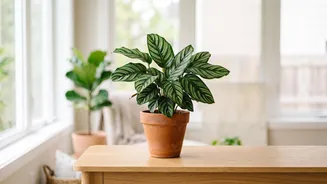
Not every houseplant needs extra humidity, but for those that do, a pebble tray can make a world of difference. This technique is especially beneficial for tropical and subtropical species that thrive in moisture-rich air. Plants that will thank you for a pebble tray include ferns (like Boston Fern and Maidenhair Fern), Calatheas (Prayer Plants), Marantas, Alocasias, and many types of orchids. These plants are often the first to show signs of stress from dry air, such as browning leaf edges or curling leaves. Succulents and cacti, on the other hand, come from arid climates and do not need or want this extra humidity.
How to Make Your Own
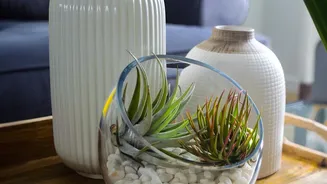
Creating a pebble tray is an easy and affordable DIY project. All you need is a waterproof tray or saucer that is wider than the base of your plant pot, and a layer of small stones, pebbles, or even LECA (lightweight expanded clay aggregate). First, fill the tray with an even layer of your chosen pebbles. Next, place your plant pot on top of the pebbles, ensuring it sits securely. Finally, pour water into the tray until the water level is just below the bottom of the plant pot. The crucial rule is that the pot itself should never be in direct contact with the water. Top up the water every few days as it evaporates to maintain the humidifying effect.