




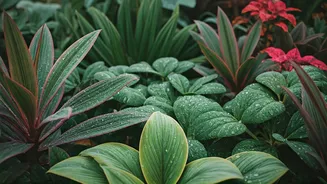


More Than Just Plants in the Rain
A monsoon balcony garden isn’t simply about letting your existing plants get wet. It’s a deliberate approach to cultivating species that thrive in high humidity, frequent rain, and the unique light conditions of the season. While summer gardens battle
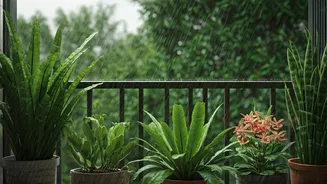
scorching heat and winter gardens face dry air, a monsoon garden works *with* nature, leveraging the constant moisture to nurture lush foliage and vibrant blooms. It's about transforming your small urban space—be it a balcony, a windowsill, or a small patio—into a thriving green oasis that comes alive with the rhythm of the rains. This trend taps into a desire for sustainability and a closer connection to nature, even in the heart of a bustling city. It's about choosing the right plants and setup to create a low-maintenance, high-reward green corner.
The Practical Magic of Rain-Fed Greenery
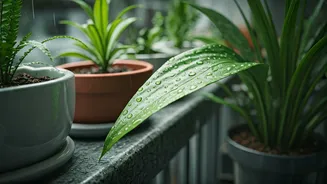
So what makes it so practical? First, the most obvious benefit: free and natural watering. The monsoon dramatically reduces your daily watering chores. Rainwater is also naturally soft, slightly acidic, and free from the chlorine found in tap water, making it healthier for many plants. Second, the overcast skies and lower ambient temperatures reduce the stress on plants, preventing leaf burn and rapid soil drying. This creates a gentle, nurturing environment for growth. Furthermore, the psychological benefits are immense. The sight of fresh, green leaves glistening with raindrops provides a calming, therapeutic effect, combating the gloominess that can sometimes accompany grey, rainy days. It’s a simple, effective way to boost your mood and purify the air right outside your window.
Setting Up Your Monsoon Oasis
Success begins with the right foundation. The biggest enemy of a monsoon garden is not too much water, but poor drainage. Ensure every pot has drainage holes at the bottom. You can even add a layer of gravel or broken pot shards before adding soil to prevent waterlogging, which can lead to root rot. Opt for lightweight containers made of plastic, terracotta, or fiber that are easy to move. For soil, a well-draining potting mix is crucial. Combine regular garden soil with cocopeat (which retains moisture without becoming soggy) and sand or perlite (to improve aeration). This mixture ensures that while the soil stays moist, excess water can easily escape. Also, consider elevating your pots on small stands or bricks to allow water to drain freely and prevent your balcony floor from becoming a swampy mess.
Top Plants That Love the Rain
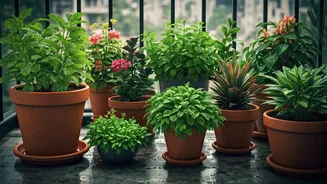
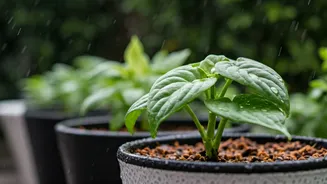
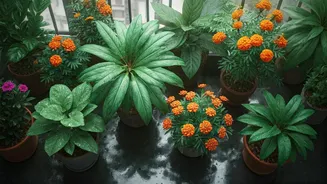
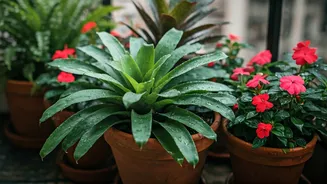
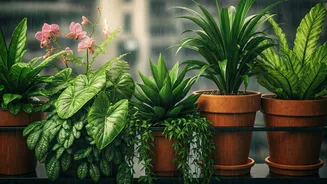
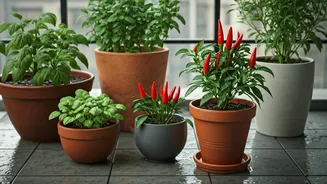
Choosing the right plants is key. Many species adore the Indian monsoon. For vibrant flowers, consider Balsam (Impatiens), Hibiscus, and Periwinkle (Sada Bahar), which produce abundant blooms during this season. If you're interested in edibles, this is the perfect time to grow herbs like mint and basil, which flourish in the humidity. It's also an excellent season for growing vegetables like okra (bhindi), chillies, and various types of gourds if you have space for them to climb. For those who love fragrant plants, Ginger, Turmeric, and ornamental gingers not only grow beautiful foliage but also give you a fresh, home-grown harvest. These plants are adapted to the conditions, making them resilient and easy to care for during the rainy months.
Tackling Common Monsoon Challenges
While the monsoon is a blessing for gardeners, it comes with a few challenges. The constant dampness can invite pests like slugs, snails, and fungal diseases. Regularly inspect your plants, especially the undersides of leaves, for any signs of trouble. A simple, organic solution is to spray a neem oil mixture (a few drops of neem oil and liquid soap mixed in water) once a week as a preventive measure. Overwatering remains a risk, even with good drainage. Before watering manually, always check if the top inch of the soil is dry. On days with heavy, continuous rain, you likely won't need to water at all. Finally, ensure your plants get enough light. While direct, harsh sunlight is less of a concern, place your pots in the brightest part of your balcony to compensate for the often overcast skies.