



Bhutta (Corn): The Monsoon Superstar
Nothing says monsoon in India quite like the aroma of roasted corn on the cob, or bhutta. This seasonal favourite is a versatile ingredient that goes far beyond the classic street-side snack. Rich in fibre and antioxidants, corn is not only delicious
but also a healthy addition to your diet. At home, you can easily roast it on an open flame, slather it with butter, and rub it with a mix of lime, salt, and chilli powder for that authentic experience. For a different take, try making a warm masala corn chaat by mixing boiled kernels with butter, chaat masala, and a squeeze of lime. You can also incorporate corn into soups, salads, and even a unique corn poha for a filling breakfast.
Jamun (Java Plum): The Tart Jewel
The deep purple Jamun, or Java Plum, is a quintessential monsoon fruit. Its distinctly sweet, sour, and astringent flavour makes it a unique ingredient for both sweet and savoury dishes. Jamun is celebrated for its health benefits, including being rich in Vitamin C and properties that can help manage blood sugar levels. While delicious on its own with a sprinkle of black salt, its culinary uses are vast. You can blend it into a refreshing juice, lassi, or smoothie. For a creative twist, try making a Jamun raita by mixing chopped fruit into spiced yoghurt for a cooling side dish, or even a tangy Jamun jam or sorbet to preserve the flavour of the season.
Gourds Galore: Lauki, Turai, and Karela
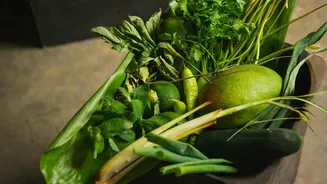
The rainy season brings a variety of gourds to the market, each offering unique textures and health benefits. Bottle gourd (Lauki), ridge gourd (Turai), and bitter gourd (Karela) are particularly abundant. These vegetables are valued in traditional Indian cooking for being light on the stomach and easy to digest, which is ideal for the humid monsoon weather. Lauki, rich in water content and vitamins, is perfect for simple curries, soups, or even koftas. Turai has a mild, slightly sweet taste that works well in stir-fries and dals. While its bitterness can be an acquired taste, Karela is packed with nutrients like Vitamin C and is known for its immunity-boosting properties. A simple stir-fry with onions and spices can temper its bitterness, making it a healthy addition to your plate.
Arbi ke Patte (Colocasia Leaves): A Leafy Delicacy
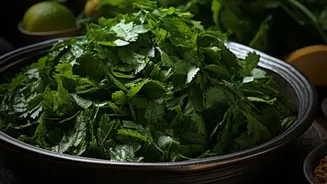
Colocasia leaves, also known as arbi ke patte in Hindi or alu in Marathi, are a special monsoon green. These large, heart-shaped leaves have an earthy flavour and must be cooked before eating to avoid throat irritation. They are the star ingredient in classic dishes like Patra in Gujarat and Alu Vadi in Maharashtra, where the leaves are smeared with a spiced gram flour paste, rolled, steamed, and then fried or tempered. This process results in a delightful snack with a complex blend of sweet, spicy, and tangy notes. You can also chop the leaves and cook them into a bhaji or curry, often with peanuts, coconut, and tamarind to balance the flavours.
Mushrooms: The Earthy Harvest
The damp, earthy conditions of the monsoon are perfect for the growth of mushrooms. While button mushrooms are available year-round, the rainy season often brings a greater variety of local, wild mushrooms to markets, depending on the region. They are a great source of nutrients and can add a deep, umami flavour to meals. Simple preparations work best to highlight their natural taste. Sauté them with garlic, pepper, and herbs for a quick side dish, or add them to soups, stir-fries, and pasta. For an Indian touch, a simple mushroom masala curry pairs wonderfully with rotis or rice, offering a hearty and satisfying meal on a rainy day.