




Feeling tired, stressed, and sick of the city air? You are not alone. A new travel trend is emerging across India, where the primary goal is not sightseeing, but simply to breathe freely and recover from the pressures of urban life.
What Is an Urban Recovery Holiday?
Forget packed itineraries
and frantic sightseeing. The 'urban recovery holiday' is a direct response to the grind of modern city living. It's a short break taken with a clear purpose: to escape the physical and mental strains of a dense, urban environment. The goals are simple and centred on well-being: to get better sleep, to disconnect from screens, and, most importantly, to breathe clean, fresh air. This trend sees people planning trips around Air Quality Index (AQI) forecasts rather than just long weekends. It's less about the destination and more about the feeling of relief—of letting your children play outside without worry, or simply waking up without a cough. This shift marks a move towards 'wellness tourism', where the objective is to return home healthier and more rested than when you left.
The Lure of Breathable Air
The single biggest driver behind this trend is the deteriorating air quality in India's major cities. As pollution levels in places like Delhi-NCR, Mumbai, and Bengaluru frequently reach 'severe' levels, residents are becoming increasingly desperate for a reprieve. Health concerns that were once seasonal are now a year-round reality, prompting people to actively seek out destinations with low AQI. Travel platforms and agencies have noted a significant spike in bookings from smog-affected cities, with some reporting a 20% rise during peak pollution weeks. These are often spontaneous decisions, made when the air at home becomes visibly and physically unbearable. The choice of destination is now filtered through apps that track real-time air quality, turning places with consistently good air into coveted escapes.
More Than Just Clean Lungs
While clean air is the primary motivator, the desire for urban recovery runs deeper. It is a holistic escape from a multitude of city-induced stressors. Digital fatigue from constant screen time is a major factor, leading many to seek 'digital detox' retreats where handing over your phone is the first step to relaxation. The relentless noise, light pollution, and mental exhaustion of city life also contribute to this need for a true break. This has fueled the rise of 'sleep tourism', where hotels and resorts offer packages designed specifically to help guests get a good night's rest, with features like blackout curtains and soundproofed rooms. The ultimate goal is a full sensory reset—an escape to a place that is quiet, dark, and allows for deep, restorative calm.
From Forest Baths to Farm Stays
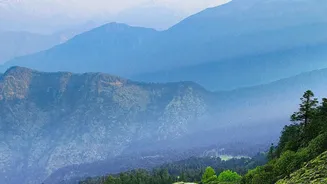
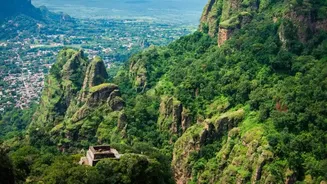
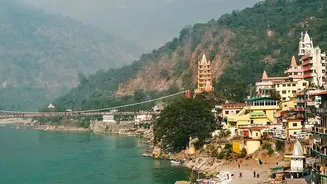
So, what does an urban recovery holiday look like? The options are diverse but share a common theme of nature and tranquillity. 'Forest bathing', the Japanese practice of immersing oneself in nature, is gaining immense popularity. Retreats in places like Rishikesh, the Sahyadris, and Coorg offer guided walks through pristine forests, allowing visitors to de_stress and reconnect with nature. Hill stations are a popular choice, with destinations like Kasauli, Dharamshala, and Gangtok seeing increased interest due to their accessibility and clean mountain air. For those willing to travel further, riverside homestays in valleys like Tirthan and Spiti in Himachal Pradesh offer quiet refuge. In the south, the post_monsoon greenery of Coorg and Wayanad, and the breezy coastal towns of Gokarna, provide a perfect setting for rejuvenation.
A Shift in Travel Priorities
This trend is more than just a passing fad ; it signifies a fundamental shift in what Indian travellers value. The focus is moving away from consumption_driven holidays towards experiences that offer genuine restoration. Younger professionals , corporate leaders , and families are increasingly willing to invest in their well_being , prioritising experiences that promise a reset over just a change of scenery . This growing health consciousness among India ' s urban middle class is the primary engine of the domestic wellness tourism market . As the pressures of city life continue to mount , the definition of a true luxury holiday is changing . It ' s no longer about opulence , but about the simple , priceless feeling of taking a deep , clean breath .