

Embracing the Season's Bounty
Eating seasonally is one of the best ways to enjoy produce at its freshest and most nutritious. Monsoon fruits are particularly special, offering a refreshing counterpoint to the humid weather while packing a nutritional punch to help boost immunity during
a time of year when seasonal ailments are common. While the 2026 monsoon has seen some variability, with early forecasts suggesting the potential for an El Niño effect, many classic seasonal fruits are making their expected appearance in markets. Farmers have been advised to provide extra support to fruit-bearing plants to guard against strong winds and heavy rain, ensuring a steady supply for shoppers. Here's what to look for during the peak of the season.
Jamun: The Indian Blackberry
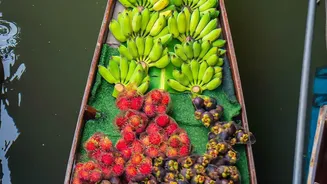
This deep purple fruit is a quintessential monsoon delight, available from late May through August. Jamun, also known as Java plum, has a unique sweet, sour, and astringent taste. It is packed with nutrients like Vitamin C, iron, and antioxidants. Traditionally, jamun is valued for its health benefits, including supporting digestion and immunity, which are crucial during the rainy season. The presence of iron and Vitamin C helps in purifying the blood and increasing haemoglobin. When shopping, look for plump, soft, and deeply coloured fruits. Avoid those with wrinkled skin or blemishes. Enjoy them fresh with a sprinkle of rock salt or blend them into a refreshing drink.
Plums (Aloo Bukhara): Sweet and Tart Jewels
Plums, or Aloo Bukhara, are another monsoon favourite, celebrated for their juicy flesh and vibrant colour. These stone fruits are an excellent source of dietary fibre, which aids in maintaining a healthy digestive system. They are also rich in vitamins A, C, and K, as well as antioxidants that help boost the immune system and fight inflammation. The potassium in plums can contribute to heart health by helping to manage blood pressure. When selecting plums, choose ones that are firm but yield slightly to gentle pressure. Their skin should be smooth and richly coloured. They can be enjoyed fresh, or used in jams and desserts.
Litchi: A Sweet Farewell to Summer
While primarily a summer fruit, the litchi season often extends into the early monsoon, especially later-season varieties. These fragrant fruits are known for their sweet, juicy, translucent flesh. India is the world's second-largest producer of litchis, with the main harvest running from May through June, and sometimes into July. Litchis have a high water content, making them incredibly hydrating. They are also an excellent source of Vitamin C, which is vital for a strong immune system. When buying litchis, look for a bright, reddish-pink shell that is firm to the touch. Avoid fruits with brown or mushy patches, as they are highly perishable.
Peaches and Pears: The Early Monsoon Arrivals
Peaches and pears begin to arrive in abundance as the monsoon sets in. Peaches are best selected by their sweet, fragrant aroma and a golden-yellow background colour, not just their red blush. A ripe peach will give slightly when gently pressed. Avoid green-tinged or overly hard peaches, as they were likely picked too early. Pears, another monsoon staple, are also available in several varieties. Look for pears with smooth skin, free from bruises. Some varieties are best eaten crisp, while others develop a softer, buttery texture as they ripen.
A Note on Food Safety
The monsoon season's high humidity can increase the risk of contamination for fresh produce. It's especially important to wash all fruits thoroughly under clean, running water before consumption. For fruits with peels that are not eaten, like litchis, it's still a good practice to wash the outside before peeling to prevent transferring any contaminants from the surface to the edible flesh. Proper washing helps ensure you can safely enjoy all the delicious and healthy benefits these seasonal fruits have to offer.