



More Than Just a Meal Plan
Designing a menu for space is not as simple as packing lunch. Astronauts in microgravity face unique physiological challenges. Their sense of taste and smell is often dulled, similar to having a cold. More critically, their bodies experience muscle atrophy
and a loss of bone density, which can be up to 1% per month. This requires a diet specially formulated to counteract these effects. ISRO has partnered with experts from the Indian Council of Medical Research–National Institute of Nutrition (ICMR-NIN) and the Defence Food Research Laboratory (DFRL) in Mysuru to create a diet that is both scientifically sound and psychologically comforting. The entire process is being overseen through a dedicated program called Santulan, which aims to provide personalized nutrition support that adapts to the astronauts' demanding training schedules and health needs.
The Science of Space Nutrition
The nutritional plan for the Gaganyaan crew is highly specific. Each astronaut requires a carefully calculated caloric intake, typically between 2,500 and 3,000 calories per day, to maintain weight and energy levels. The diet must be rich in calcium and Vitamin D to support bone health. Sodium levels are kept low, while protein intake is balanced to slow muscle loss without accelerating calcium depletion. Recently, ISRO issued tenders for a nutrition consultancy to develop and monitor individual plans for each of the four Gaganyatris, using detailed physiological data from blood tests, metabolic rate, and even microbiome assessments. This ensures that the food isn't just a standard menu but a personalized health regimen, with supplements prescribed only as needed.
A Taste of Home in Orbit
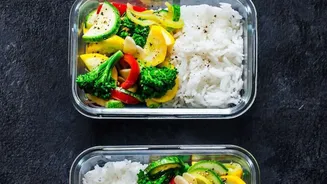
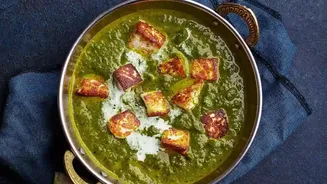
While science dictates the nutritional content, culture shapes the menu. Scientists at DFRL have developed an extensive list of over 40 Indian dishes, ensuring the astronauts have a taste of home hundreds of kilometers above Earth. The menu includes familiar comfort foods like vegetable biryani, dal khichdi, aloo paratha, sambar chawal, and even moong dal halwa. Both vegetarian and non-vegetarian options are available, with dishes like chicken katti rolls and egg rolls also on the list. This focus on familiar cuisine is crucial for the crew's psychological well-being and morale during a high-stress mission. After all, the first Indian in space, Rakesh Sharma, also carried Indian food—suji halwa, aloo chole, and vegetable pulao—on his 1984 mission.
The Technology of Space Food
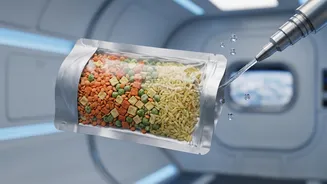
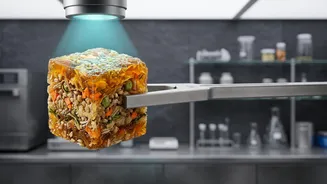
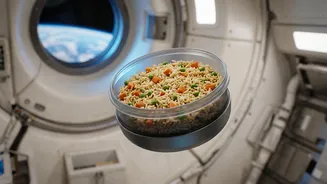
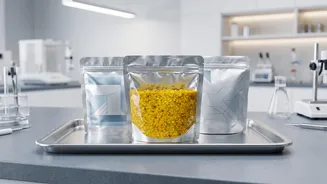
Preparing food for zero gravity requires specialized technology. Meals are processed to be lightweight, low-volume, and have a long shelf life. They come in ready-to-eat, semi-solid, or dehydrated forms in specially designed packets. To eat, astronauts will use a food warmer and may need to rehydrate some meals by injecting water into the pouch. Even drinking is a challenge; special containers are used to consume liquids to prevent them from floating away and damaging sensitive equipment. A major consideration is avoiding crumbs. Bread is typically excluded from space menus because floating crumbs can get into electronics or be inhaled by astronauts. To solve this, DFRL has used binders to ensure foods like parathas stay intact.
Rigorous Testing and Final Selection
Before any dish makes it to the final menu, it undergoes rigorous testing. Food must be able to withstand launch vibrations and remain safe and palatable. The process is so strict that when astronaut Shubhanshu Shukla flew to the ISS in 2025, only three of the many Indian dishes prepared by DFRL—gajar ka halwa, moong dal ka halwa, and aamras—were certified in time for the flight. This experience provides valuable lessons for the Gaganyaan mission. The final menu will be selected based on feedback from the astronauts themselves, who will get acclimatized to the space food during their training. The caterers preparing these meals must adhere to strict standards, including ingredient traceability and maintaining nutritional accuracy within a 5% margin.