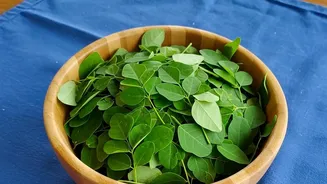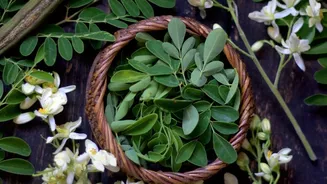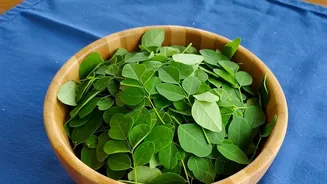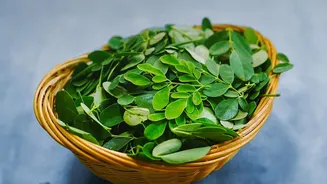


Often called the 'miracle tree', moringa is praised for its dense nutritional profile. But before you add this superfood to everything, it's crucial to understand that more isn't always better. The key lies in sensible portions and smart preparation.
The Rise of a Green Superfood
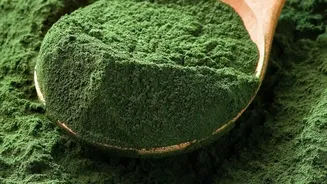
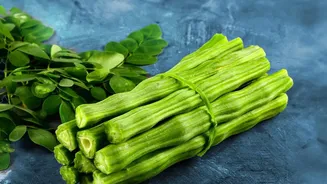
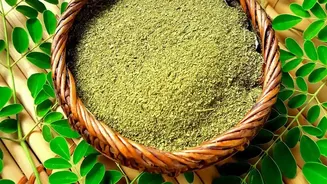
Moringa oleifera, known in India as the drumstick tree or 'sahjan', is no stranger to traditional kitchens and medicine cabinets. Its leaves, pods, and seeds have been used for centuries. Recently, however, the plant has gained global fame as a superfood, available as a vibrant green powder, capsules, and teas. This isn't just hype; the leaves are packed with an impressive array of nutrients. They are a rich source of vitamins A, C, and E, along with essential minerals like calcium, potassium, and iron. Furthermore, moringa contains protein, fibre, and powerful antioxidants that help the body fight inflammation and oxidative stress.
The Golden Rule: Portion Control is Crucial
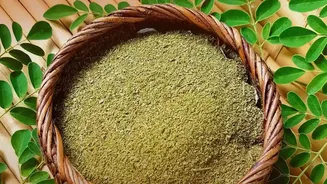
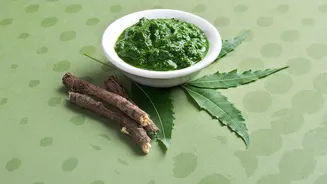
While moringa is nutrient-dense, it's also potent. Overconsumption can lead to unpleasant side effects, primarily digestive issues like stomach upset, gas, bloating, and diarrhea. For beginners, it is wise to start with a small amount and listen to your body. A generally safe starting point for moringa powder is about half to one teaspoon per day, which is roughly 2 to 3 grams. You can gradually increase this, but most people find that 1-2 teaspoons daily is sufficient. Taking large amounts at once doesn't necessarily lead to better results and may increase the risk of side effects. It is important to note that the root and bark of the moringa tree are considered unsafe for consumption as they contain potentially toxic substances.
Smart Preparation to Preserve Nutrients
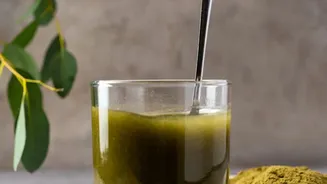
How you prepare moringa matters just as much as how much you use. Some of its valuable nutrients, like vitamin C, are sensitive to heat. To get the most benefit, it's best to avoid cooking moringa powder at high temperatures for extended periods. Instead, stir it into dishes at the end of the cooking process. When making moringa tea, use hot, but not boiling, water and let it steep. Fresh moringa leaves can be cooked, but a quick stir-fry or light blanching is better than over-boiling, which can diminish their nutritional value. A great tip for fresh leaves is to blanch them for just 30 seconds to reduce certain compounds called oxalates while keeping vitamins intact.
Easy Ways to Use Moringa in Indian Meals
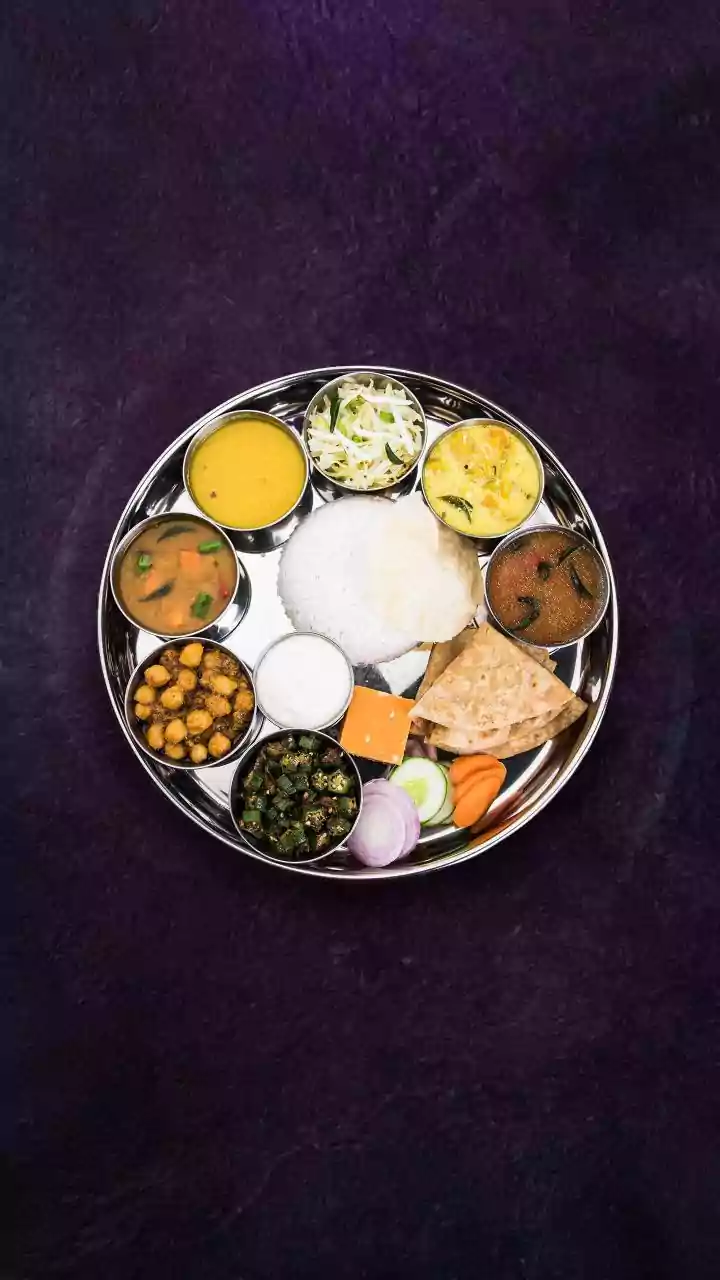
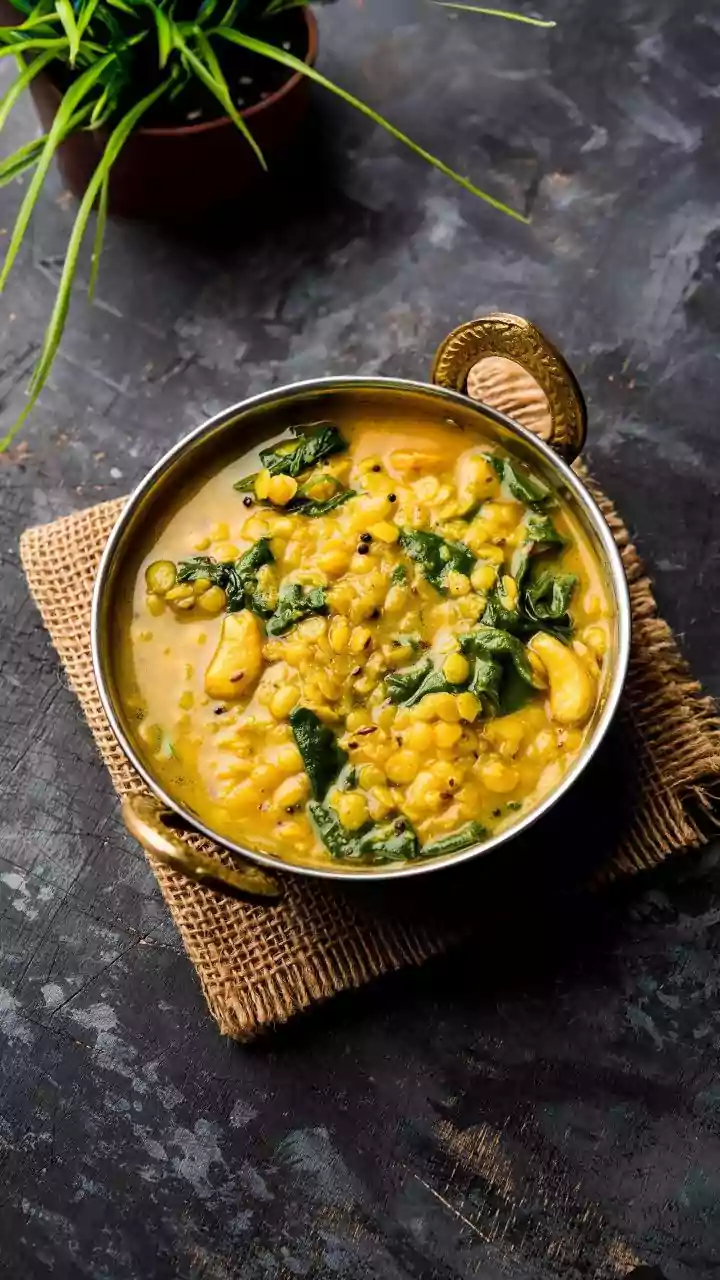
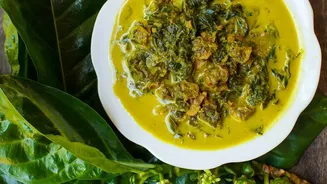
Integrating moringa into your daily diet is simple, especially with Indian cuisine. For moringa powder, its slightly earthy, spinach-like flavour can be easily masked. Try mixing a teaspoon into your morning smoothie, stirring it into a bowl of yogurt, or adding it to your roti or paratha dough. It also blends seamlessly into dals, soups, and stews; just remember to add it towards the end of cooking. Fresh moringa leaves, or 'murungai keerai', are delicious in their own right. They can be used to make a simple 'poriyal' (stir-fry) with coconut and spices, added to sambar or dal for a nutritional boost, or ground into a flavourful chutney.
Important Considerations Before You Start
While moringa is generally safe for most people when consumed as a food, certain individuals should exercise caution. Because it can lower blood sugar and blood pressure, people on medication for diabetes or hypertension should consult their doctor before adding moringa to their routine, as it could amplify the medication's effects. Those with thyroid conditions or who are pregnant should also seek medical advice before using moringa supplements. Always choose high quality products from reputable brands to ensure they are free from contaminants.