





A Village of Celestial Dreams
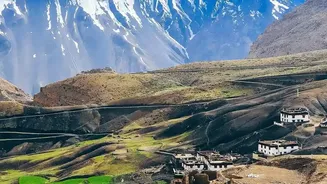
In an age where the Milky Way is a sight often reserved for wallpapers and documentaries, the Kokna tribal community of Udmal village is offering an authentic glimpse into the cosmos. Nestled on a hilltop with no major urban centre for several kilometres,
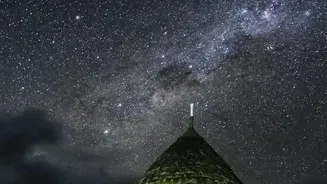
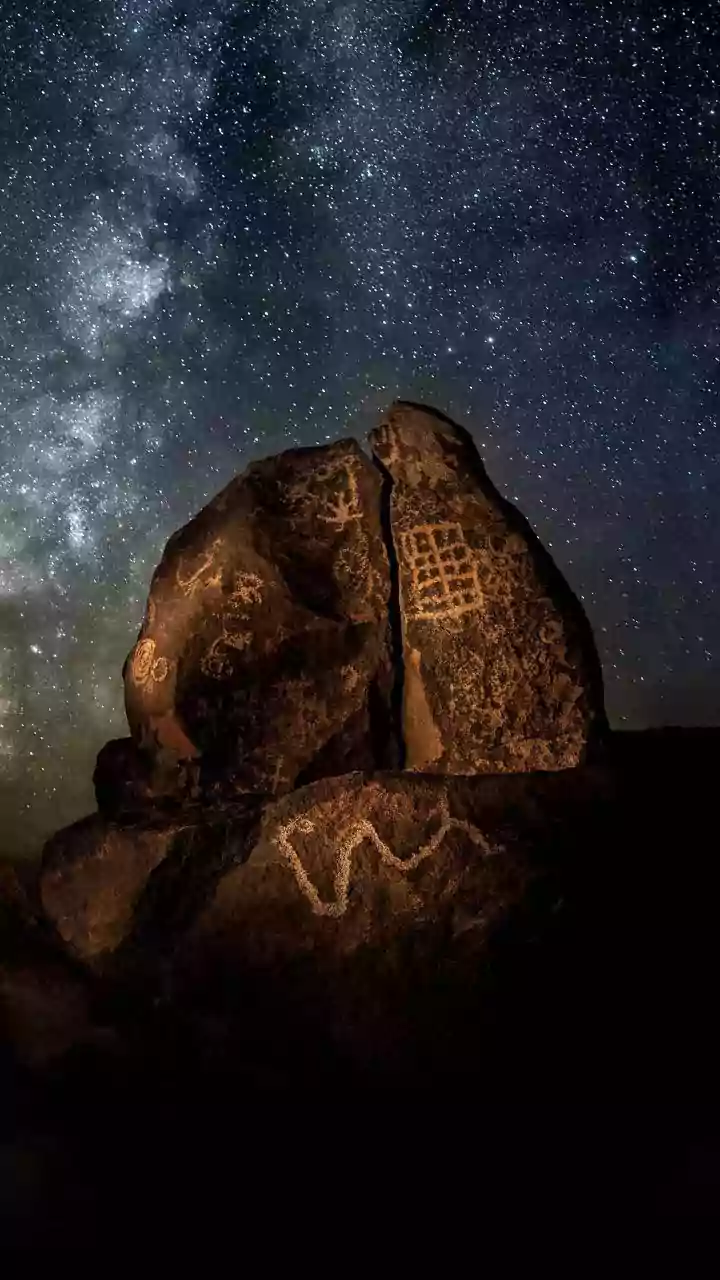
the village possesses a rare and valuable asset: a naturally dark sky. This lack of light pollution means that on a clear night, the celestial panorama is breathtakingly clear, with stars and constellations visible to the naked eye. Recognizing this unique advantage, the community, with administrative support, has embarked on an ambitious journey to protect this natural wonder and turn it into a sustainable source of livelihood.
The Community-Led Initiative
This isn't a top-down project imposed on a community; it's an initiative born from within. The Udmal Gram Sabha passed a resolution under the Panchayats (Extension to Scheduled Areas) Act to conserve their night skies. This crucial step demonstrates a collective commitment to responsible development. The plan involves more than just switching off lights; it's about adopting smarter, shielded, and environment-friendly lighting practices that minimise upward glare. The district administration has sanctioned ₹42.14 lakh under the District Annual Tribal Sub-Plan to support the project, which will fund night-sky assessments, lighting retrofits, and public awareness campaigns. The goal is to achieve certification from DarkSky International, which would make Udmal India's first official 'Dark Sky Community'.
More Than Just Telescopes
The vision for Udmal extends far beyond simply setting up telescopes. The project aims to create a holistic eco-tourism experience deeply rooted in the local culture. The idea is to develop a model where visitors not only marvel at the stars but also engage with the community. This can include staying in local homestays, savouring traditional cuisine, and learning about the tribe's connection to the natural world. By placing the community at the heart of the venture, the initiative ensures that the economic benefits of tourism flow directly to the residents, creating sustainable jobs for local youth as guides and hosts, and empowering the village to become the narrators of their own story.
The Rise of Astro-Tourism
Udmal's initiative is part of a growing global and national trend. As urban skies become increasingly light-polluted, travellers are actively seeking out remote locations for authentic stargazing experiences. Astro-tourism is recognized as a powerful tool for sustainable development, driving economic benefits to rural areas without requiring heavy infrastructure that could harm the environment. Maharashtra has identified several other potential astro-tourism sites, including Pench Tiger Reserve, which is already a certified Dark Sky Park. Udmal's project, however, is unique as it's driven by a living tribal settlement, representing a powerful model for how conservation and community empowerment can go hand-in-hand.
A Bright Future in the Darkness
The path forward involves careful planning to manage the influx of tourists and prevent the very light pollution the project seeks to avoid. The focus remains on low-impact, nature-based tourism. While there is no official timeline yet for when Udmal will be fully operational for visitors, the foundational steps have been taken. For travellers, the best time to visit for clear skies would likely be between October and April. The village is accessible by road from Nashik, which is about 90-100 km away. By turning its darkness into a tourism asset, Udmal is not just putting itself on the map; it's illuminating a path for other communities to follow, proving that sometimes, the brightest future can be found under the darkest skies.