




A Gift from the Heavens
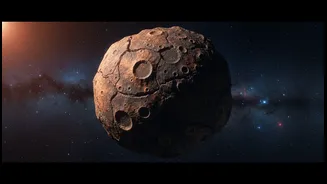
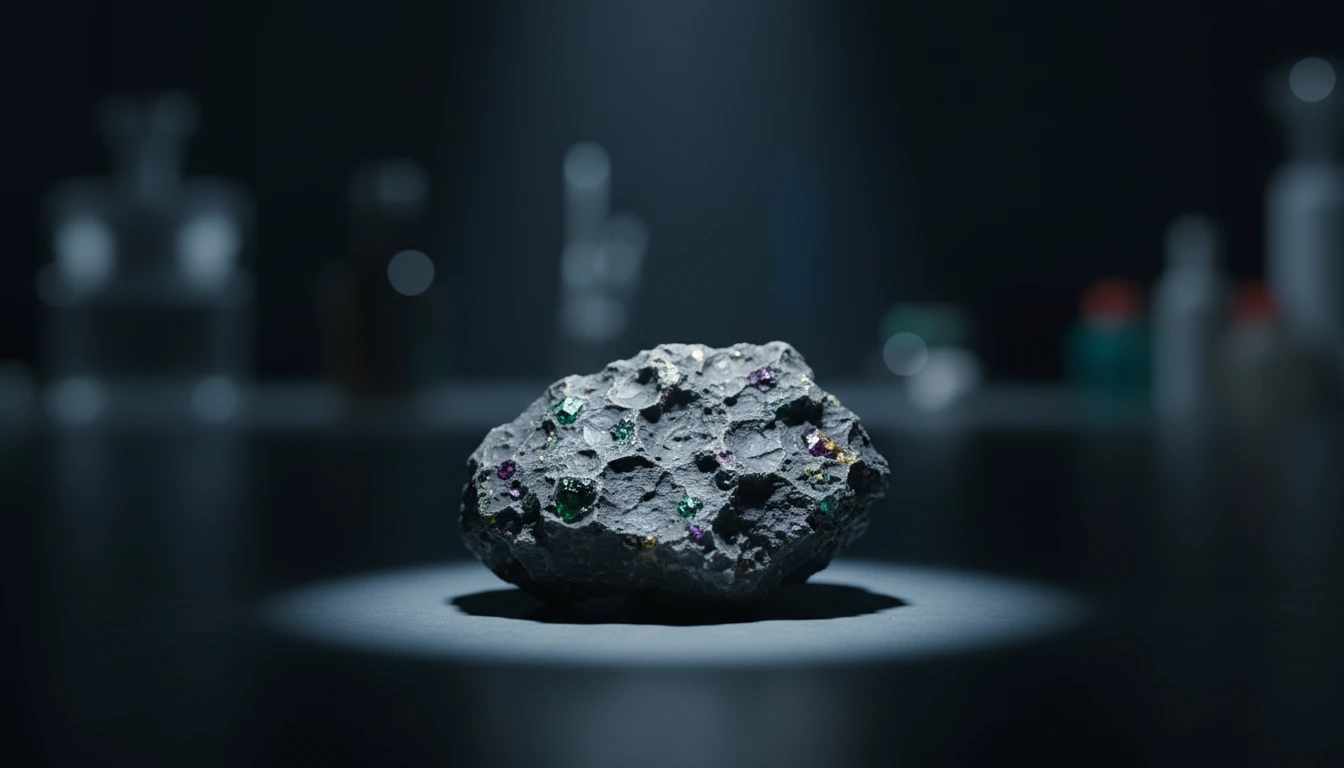
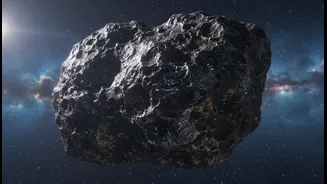
Imagine a fiery streak across the night sky, followed by the discovery of strange, dark rocks scattered across a field. This isn't science fiction; it's a meteorite fall. These events, while rare, offer an incredible opportunity. Meteorites are fragments
of asteroids, and occasionally even the Moon or Mars, that have survived a blazing journey through our atmosphere to land on Earth. For scientists in India and around the world, these visitors are invaluable time capsules. They contain material that has remained largely unchanged for billions of years, offering direct clues about the formation and evolution of our solar system. Institutions like the Physical Research Laboratory (PRL) in Ahmedabad are dedicated to studying these extraterrestrial materials to understand our cosmic origins.
The Puzzle Piece Principle
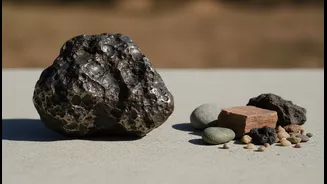
The urgent message from scientists to keep different fragments separate might seem strange. After all, they came from the same object. But think of a meteorite as a complex, three-dimensional puzzle that shattered on impact. Each piece holds a unique part of the story. A fragment from the surface might have a charred fusion crust, telling the tale of its fiery descent. Another from the interior could hold pristine minerals and organic compounds that have been shielded from extreme heat. By studying the pieces in relation to where they fell, scientists can reconstruct the original object, how it broke apart in the atmosphere, and what it was made of. Mixing the fragments is like shaking up pieces from different jigsaw puzzles—the complete picture is lost forever.
The Contamination Catastrophe
Beyond losing positional data, there's another major threat: contamination. Our world is teeming with life, chemicals, and moisture that are alien to a meteorite. Simply touching a fragment with your bare hands can transfer oils and microbes, which can degrade the sample and confuse analysis. These oils can cause the rock to rust and can contaminate the very organic compounds that scientists hope to study for clues about the origins of life. That's why the rapid and careful collection of meteorites is so vital. Some of the most significant discoveries have come from samples that were retrieved quickly and handled with extreme care, using tools like aluminum foil and gloves to preserve their pristine state.
What Each Fragment Can Reveal
When kept separate and pristine, each fragment is a scientific treasure. One piece might reveal the presence of high-pressure minerals, indicating a violent collision in the asteroid belt billions of years ago. Another might contain trapped water and salts, giving clues about ancient brines flowing through its parent asteroid. Yet another could contain specific amino acids, the building blocks of life, and help scientists understand how these vital ingredients might have been delivered to a young Earth. The distribution of these features across the different fragments is crucial. It allows scientists to build a comprehensive model of the parent asteroid—was it a uniform lump of rock, or a complex body with a core, mantle, and crust, much like a tiny planet?
How You Can Be a Citizen Scientist
Finding a meteorite is an incredibly rare and exciting event. If you are lucky enough to make such a discovery, you can play a critical role in science by following a few simple steps. First, resist the urge to pick it up immediately. If possible, photograph the fragment where it lies, including an object for scale like a coin. Note the exact location using your phone's GPS. When you do collect it, avoid using your bare hands. Use clean aluminum foil or wear gloves to pick it up, and place each individual fragment in its own clean, dry bag. Do not use a magnet on it or wash it. Once secured, contact a local university, museum, or a national body like the PRL to report your find.