

The New Rules of Rain
The problem isn't just a simple case of more or less rain; it's the pattern that has been dangerously disrupted. The predictable, steady rhythm of the Indian summer monsoon is being replaced by a more chaotic regime. Scientists now observe prolonged dry
spells punctuated by sudden, intense downpours. This 'erratic' rainfall behaviour means forests that evolved over millennia to thrive on a specific water cycle are now facing unprecedented stress. Instead of consistent moisture during the monsoon months, they might endure weeks of drought conditions, only to be hit by deluges that cause flash floods and severe soil erosion, washing away the very foundation from which they grow. This shift is a fundamental challenge to the stability of entire ecosystems.
When Forests Go Thirsty, and When They Drown
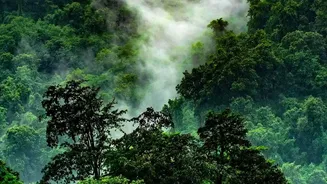
Different types of forests respond to these changes in different ways, and none are immune. In central India, studies have shown significant forest cover loss over recent decades, with rising temperatures and shifting rainfall increasing the risk of forest fires. Dry deciduous forests, such as the teak forests of the Panchmarhi Biosphere Reserve, have proven especially vulnerable, showing the highest loss in canopy cover because they operate close to their moisture limits. At the other end of the spectrum, tropical wet evergreen forests, which are not adapted to long dry periods, can suffer from severe drought stress, leading to tree mortality. When extreme rainfall does occur, it can saturate the soil on slopes, leading to an increased frequency of landslides in hilly regions like the Western Ghats and the Himalayas, literally tearing sections of the forest away.
A Ripple Effect on Wildlife
The health of a forest's flora is directly tied to its fauna. Changes in vegetation have a cascading effect on the entire food web. When rainfall patterns shift, it can disrupt the phenology, or life cycles, of trees and plants—affecting when they flower, fruit, and shed leaves. This creates a mismatch for the pollinators, herbivores, and other animals that depend on these resources. A decline in native plant species can lead to a scarcity of food, forcing wildlife to search elsewhere. For example, erratic rainfall has been linked to a decline in forest produce like honey and wild fruits, impacting both animals and local communities. This stress also contributes to increased human-wildlife interactions, as animals like elephants are pushed closer to human settlements in their search for food and water.
Biodiversity Hotspots Under Threat
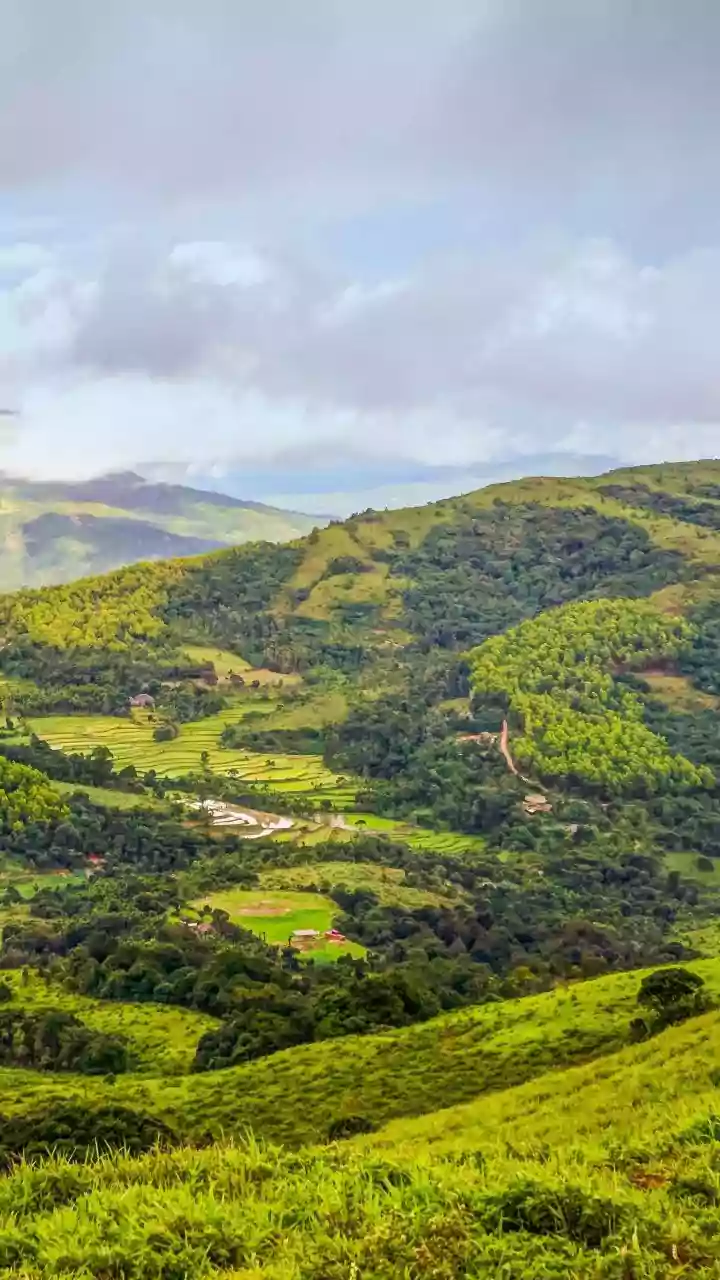
Nowhere are these impacts more concerning than in India's biodiversity hotspots. The Western Ghats, home to more than 30% of India's plant and animal species, are experiencing a decline in overall monsoon rainfall but an increase in extreme rainfall events. This is altering the composition of these unique forests and threatening their ability to act as long-term carbon sinks. Similarly, the Himalayas are warming faster than other mountain ranges, leading to a drastic decline in winter precipitation and snowfall. This threatens the region's vast water resources and is causing an upward shift in the treeline, as species are forced to move to higher, cooler altitudes to survive. Ecologically fragile forests in Northeast India are also showing signs of 'browning' or declining vegetation health due to these prolonged moisture deficits.
What Can Be Done?
The research paints a clear picture: protecting India's forests requires a new approach that accounts for a changing climate. Scientists stress the need for evidence-based forest management and climate adaptation measures. This includes strengthening the resilience of forests by improving conservation efforts, preventing deforestation that worsens the impact of heavy rains, and restoring ecosystems. Understanding how different forest types adapt to long-term climate variability is critical for predicting future changes and developing strategies to safeguard them. For policy makers, the findings highlight the urgent need to integrate ecological drought adaptation into sustainability planning to protect these vital ecosystems from further degradation. The survival of these rich, diverse forests depends on proactive management informed by the latest science.